Prem Sahib

Kin

★★★★☆

On until 25 July 2026

It’s unsettling for a critic when an artist who made his name pursuing mostly bad ideas does something different and altogether better. Is the departure a fluke, a new direction, or does it recast the earlier practice, thus demanding a reappraisal of earlier disappointments?

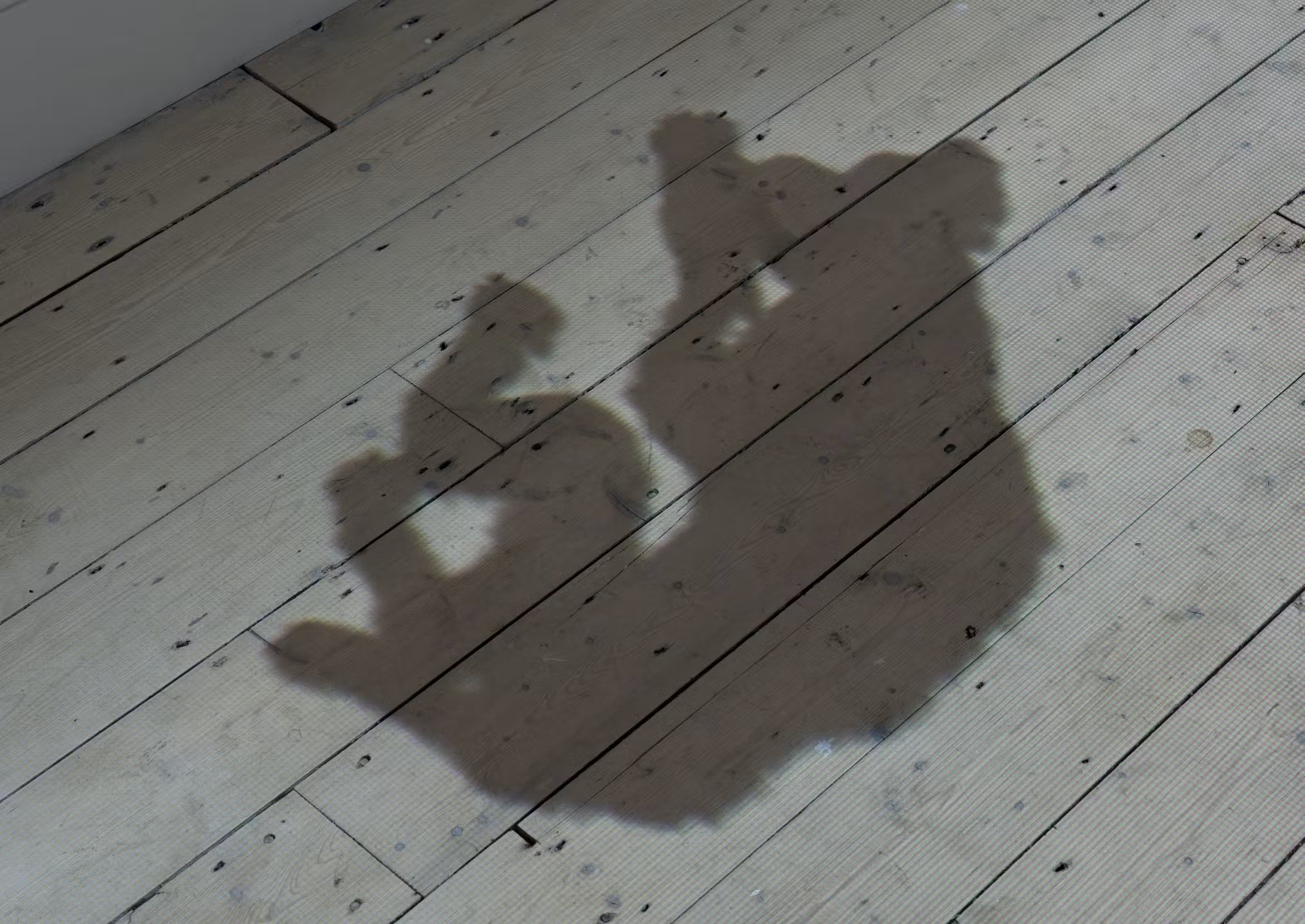
Sahib is known for his fetishist indulgence in identity. If this new work stems from the same interests, it is only opaquely. In the gallery’s darkened spaces, a deformed shadow of a stray dog traverses the otherwise empty floor. The animal moves erratically, its limbs distorted by the vantage of the overhead camera, reminiscent of the technical imagery of police helicopter chases. 

This spectral appearance, set to a low hum soundtrack, is eerie, as if the canine’s sorry end was already a foregone conclusion. One can’t help but wish for it, too: animal pity turns into animal cruelty, and bang, the mutt’s a goner. Is this the catastrophic link to Sahib’s earlier gay and British-Asian preoccupations?

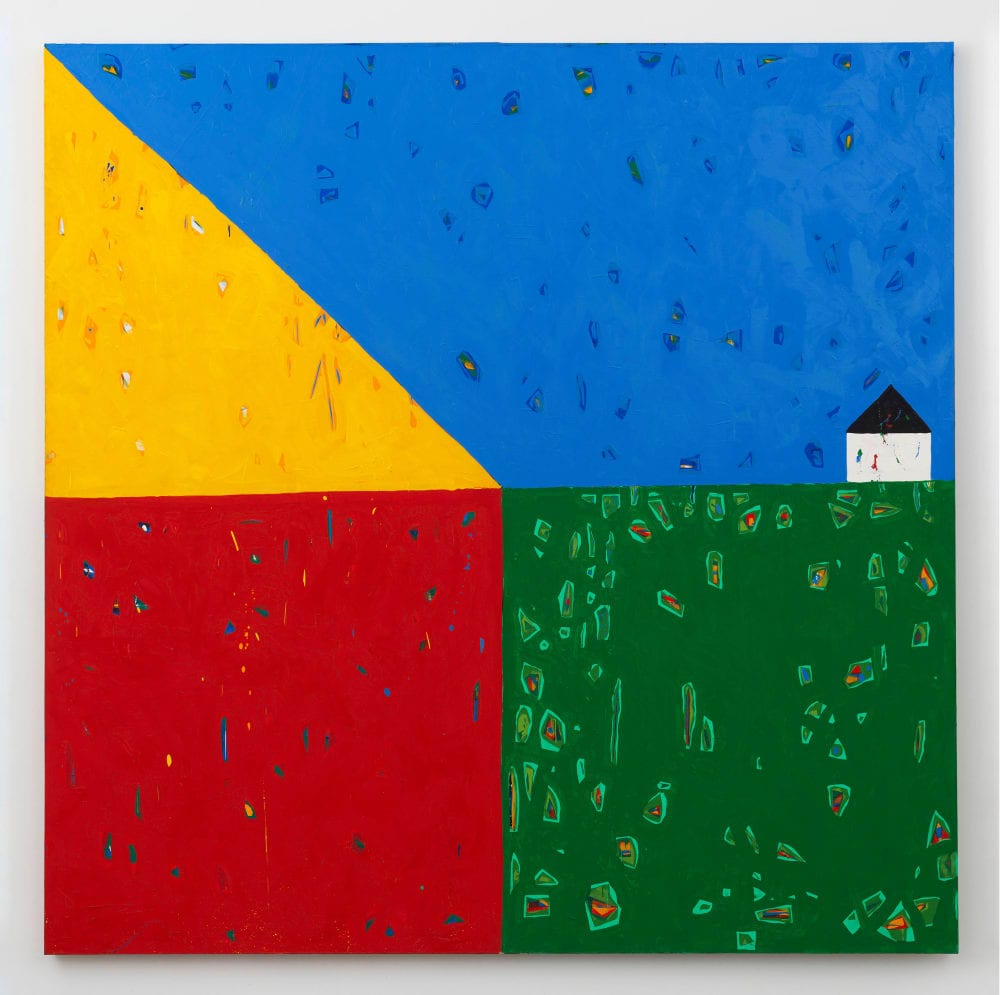
In this atmosphere, his Horizon paintings — postcard-sized acrylic tableaux fashioned after LED video displays — are an intriguing but unnecessary reprieve in a predictable aesthetic. His terrible poems, on the other hand, make one wish Sahib had stuck to works about leather bars and poppers.
notes and notices are short and curt exhibition reviews. Read more:

Jacob Dahlgren, When Anxieties Become Form at Workplace ★★☆☆☆

Jacob Dahlgren

When Anxieties Become Form

★★☆☆☆

The works are older than the artist’s last good idea.

Max Boyla, Crying like a fire in the sun at Workplace ★★☆☆☆

Max Boyla

Crying like a fire in the sun

★★☆☆☆

Rothko’s abstractions are said to have induced tears in viewers overwhelmed by abstraction. Staring at the sun here, however, barely causes blindness.

The Stars Fell on Alabama at Edel Assanti ★★★☆☆

Mary L. Bennett, Richard Dial, Thornton Dial, Lonnie Holley, Ronald Lockett, Joe Minter, Mose Tolliver

The Stars Fell on Alabama: Southern Black Renaissance

★★★☆☆

The commercial imperative is understandable. The art historical intent, less clear.

Erick Meyenberg, Nos marchábamos, regresábamos siempre, the Mexican pavilion in Venice ★☆☆☆☆

Erick Meyenberg

Nos marchábamos, regresábamos siempre

★☆☆☆☆

Whatever the purpose of this confusion, it’s not to be found in the gallery.

Robert Ryman, Line at David Zwirner ★★★☆☆

Robert Ryman

Line

★★★☆☆

The artist’s signature becomes a distress call.

Gabriel Hartley, Floorlines at Seventeen ★★★★★

Gabriel Hartley

Floorlines

★★★★★

Desire breeds introspection. Desire breeds mistrust.

×