The taboo of assessing the historical worth of political art is that we must not only question what the thing looks like but also whether the artefact did much to further its political goals. Most curating gullibly fetishises the latter, yet the domains are easily confused.
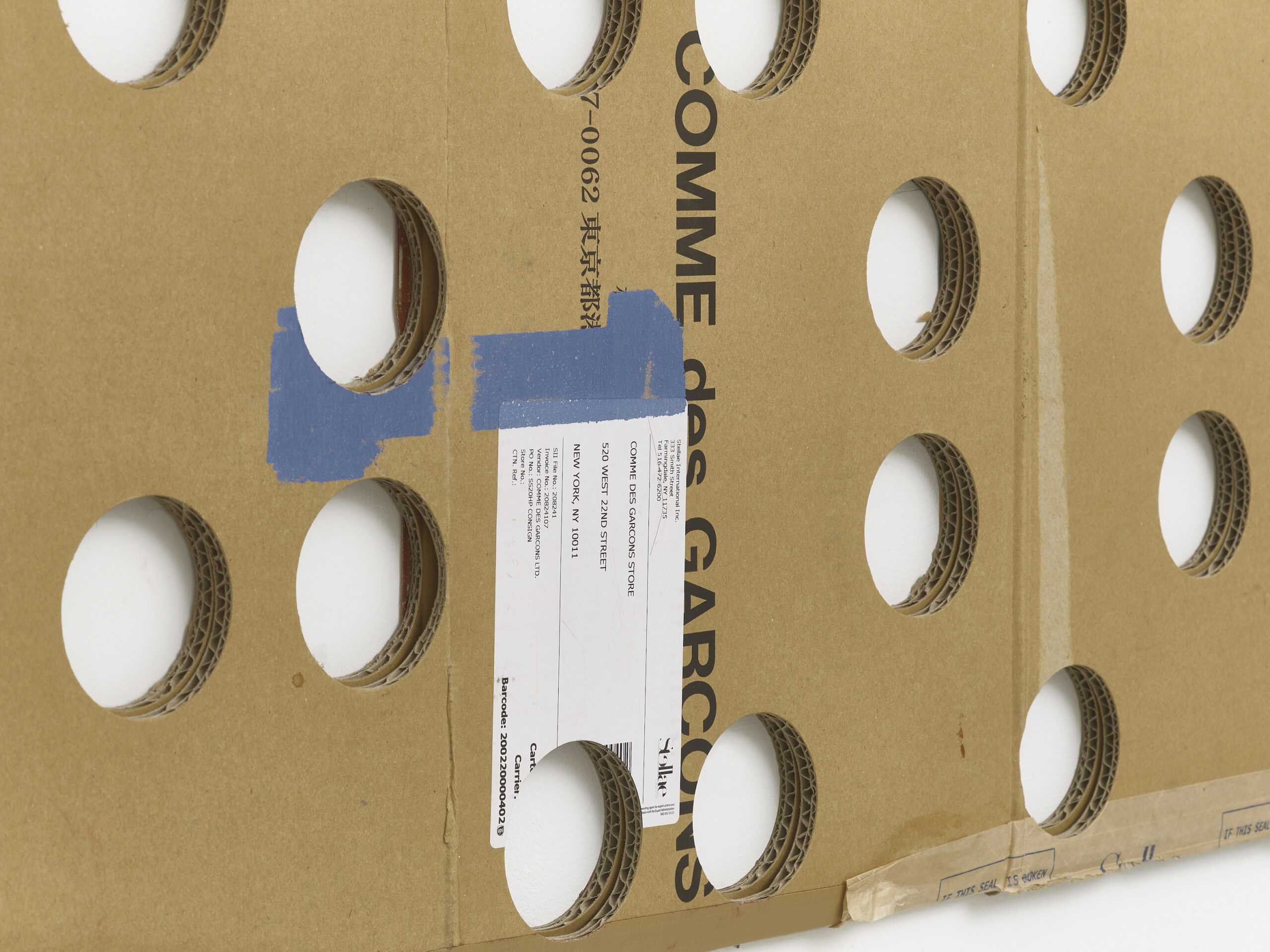
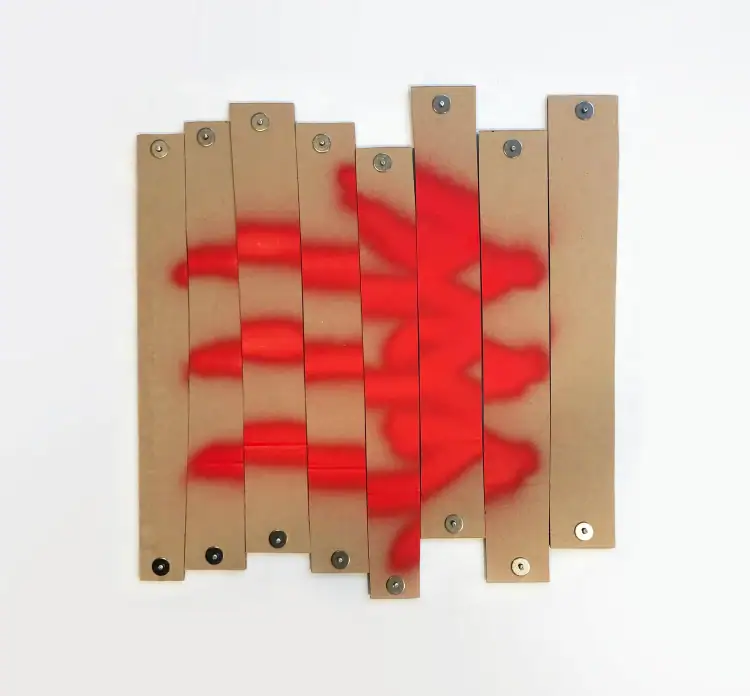
Paper Tiger Television, a four-decade collective effort in public access programming, looks retro-cute. Its hand-painted backdrops, NTSC scanlines, and cardboard prop aesthetics appeal to today’s institutional leaders who are forever stuck between tech hopes and Blue Peter nostalgia. A bunch of high-minded references (Martha Rosler, for example) invest the display with a “residual political optimism” of the 1960s, on which the original crew was also hooked.
That naïve optimism turned into stifling nostalgia. Not only did media hacking get nowhere, but its self-satisfied DIY methods also foreclosed new critical avenues. Hooked on the hack, Paper Tiger’s heirs were ill-equipped to take on successor media. Their descendants today, in turn, embarrass themselves by pasting dull politics (slogans like “Fuck ICE”, for example) over the archive.