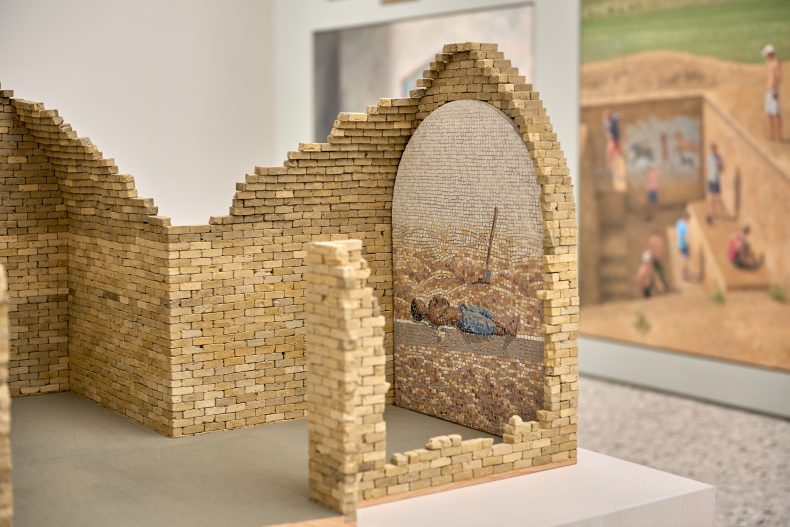
Sophie Huckfield

Lady Ludd

★★☆☆☆

Curated by Rae Jones
On until 28 September 2025

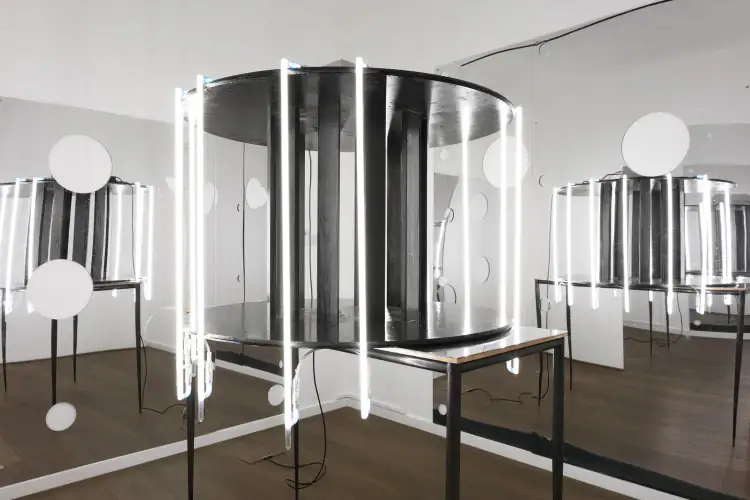
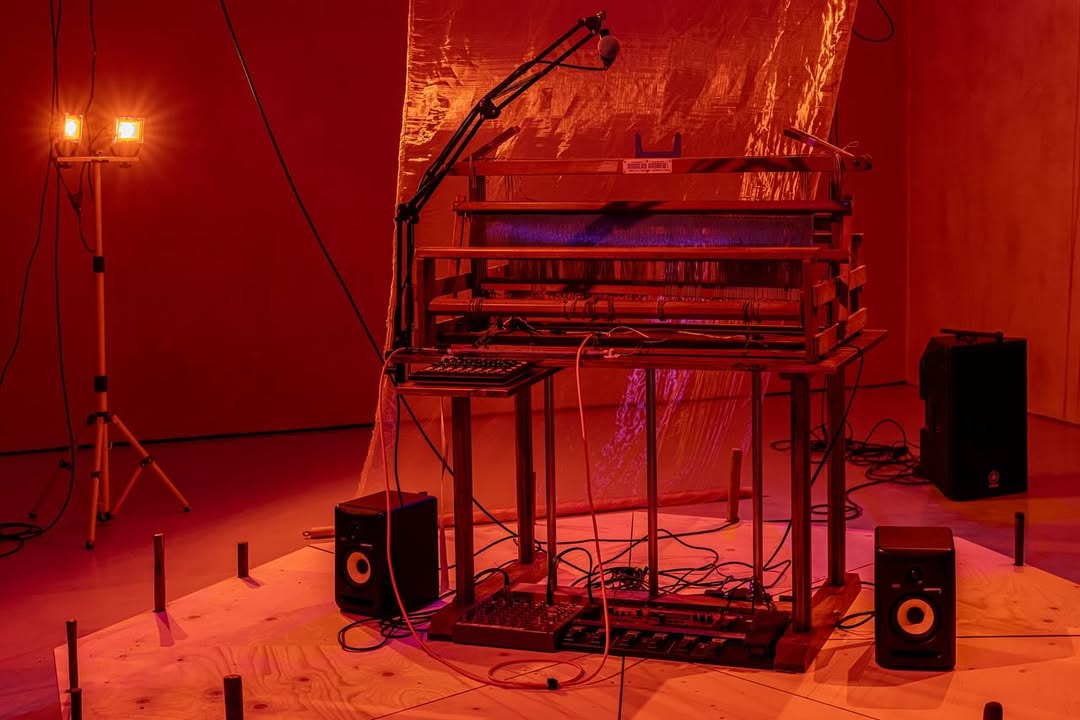
How does contemporary art support the labour struggle against AI and automation? Huckfield’s question is rhetorical, surely. Her manual weaving loom, refashioned into an electronic musical instrument, adorned with Luddite hammers, offers zero insight. The verbiage in the handout – more laboured, sadly, than the artefacts – tries to intersectionalise the Industrial Revolution, proposing that Ned Ludd’s campaign against the Spinning Jenny might have been more successful had both of them come out as non-binary. 

The whole thing’s a category error; art’s gender and class projections occlude matters more tightly than the cloud. Huckfield crowbars made-up heroes into past revolutions to pose as the saviour in the next one. Yet she still needed the help of eight ‘workers’ to mount her installation, not counting, that is, the machines in China which likely fabricated its substance. 


notes and notices are short and curt exhibition reviews. Read more:

Teewon Ahn and Ibrahim Meïté Sikely at Gianni Manhattan and P21 at Project Native Informant ★★★☆☆

Teewon Ahn and Ibrahim Meïté Sikely

★★★☆☆

These works are as garish as they are fun to look at.

Diego Marcon, Dolle at Sadie Coles HQ ★★★☆☆

Diego Marcon

Dolle

★★★☆☆

Idle work became indistinguishable from leisure, vegetative time-passing from family life.

Herman Chong, The Book of Equators at Amanda Wilkinson ★★☆☆☆

Herman Chong

The Book of Equators

★★☆☆☆

Chong was probably reading some epic while painting his Equator pictures.

Robert Rauschenberg, ROCI at Thaddeus Ropac ★★★☆☆

Robert Rauschenberg

ROCI

★★★☆☆

This project outs Rauschenberg as a propagandist if not an outright Fed.

Willie Doherty, Remnant at Matt’s Gallery ★★★☆☆

Willie Doherty

Remnant

★★★☆☆

Doherty’s tragipoetic timing can be masterly.

The Stars Fell on Alabama at Edel Assanti ★★★☆☆

Mary L. Bennett, Richard Dial, Thornton Dial, Lonnie Holley, Ronald Lockett, Joe Minter, Mose Tolliver

The Stars Fell on Alabama: Southern Black Renaissance

★★★☆☆

The commercial imperative is understandable. The art historical intent, less clear.

×