When Barthes proposed in 1980 that everyone depicted in a photograph was already dead, his words fell on deaf ears. A decade later, the image would be proof of raw life. The combination of rich colour and ostensible fidelity became available equally to artists, fashion photographers, scene documentarians, and civilians. It attested to the confidence and exuberance of the era.
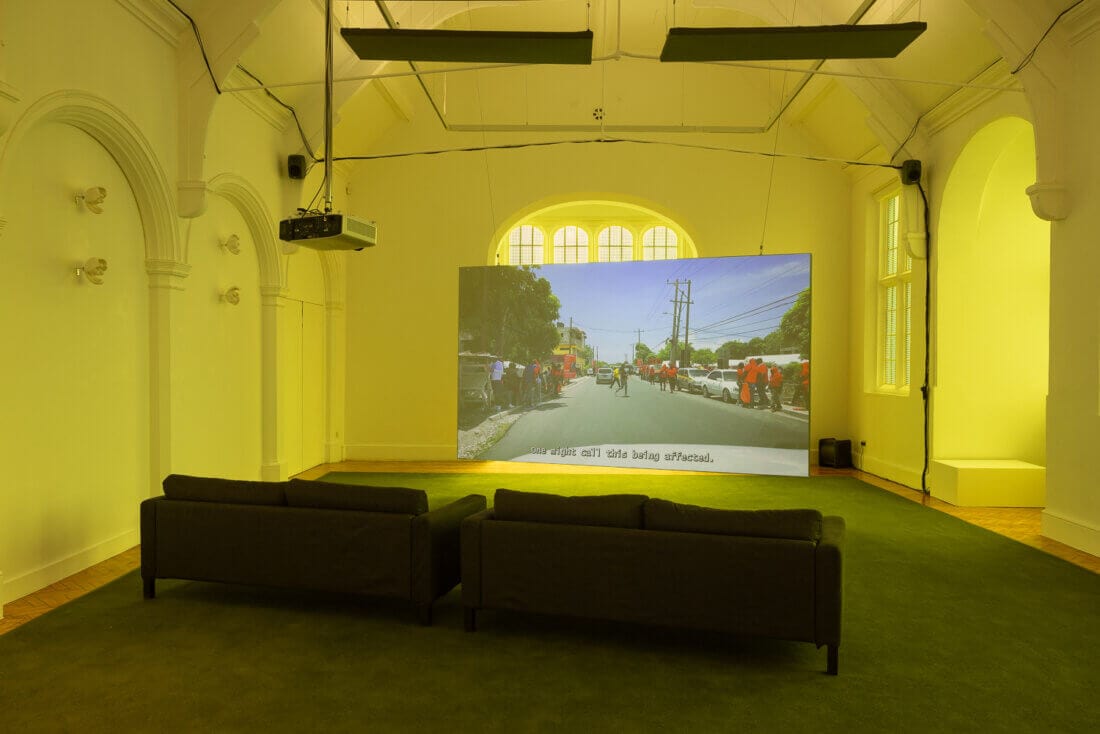
Tate’s display of these pictures — mixed with the odd video, sculpture, or painting — is depressing, however, because that life is now over. Corinne Day’s snaps of moody teens on Soho sofas, which open the show, would be impossible to restage today without sparking some moral panic. David Sims’ portraits for The Face force woeful comparison with today’s anxious identity production. Elaine Constantine’s rave snaps are unimaginable without the music.
Yet this death was not merely a matter of time: not all of us ’90s starlets suffered a life overdose. It is the institution that forces this collective passing, undermining even the basis for the generation’s mourning. Cool Britannia’s optimism was bogus, one wall text suggests (never mind that recollections vary), too much space goes to Hamad Butt’s AIDS installation (which the crowd ignores in favour of the Chapmans’ body horror), and black artists (drawn from then two per cent of the population) are the only ones left standing.
In comfort to vitalist, the exhibition’s narrative reliance on fashion — which transparently exploits near-death for profit — proves that its thesis is bunk.