Alexander Kluge et al.

The Ear is the Eye of the Soul

★★★☆☆

Curated by Hans Ulrich Obrist, Ben Vickers
On until 22 November 2026

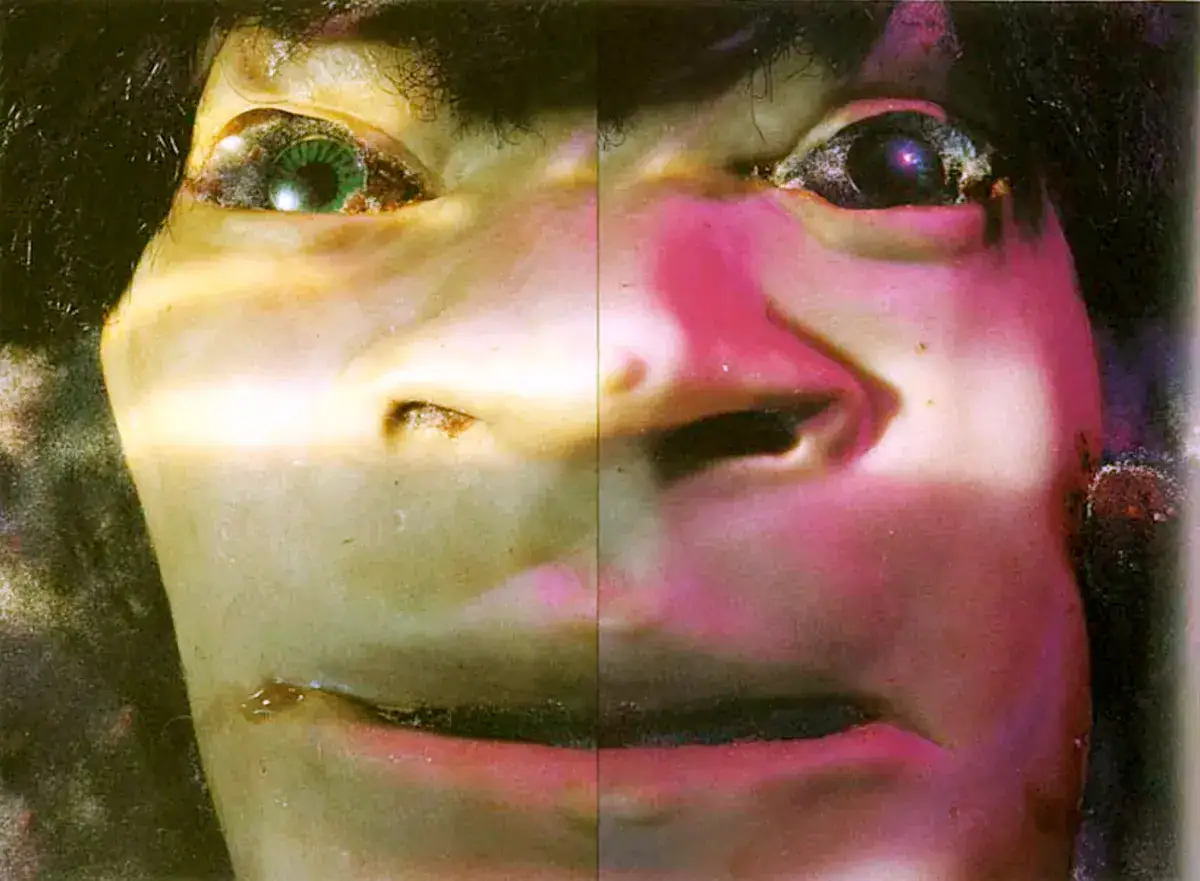
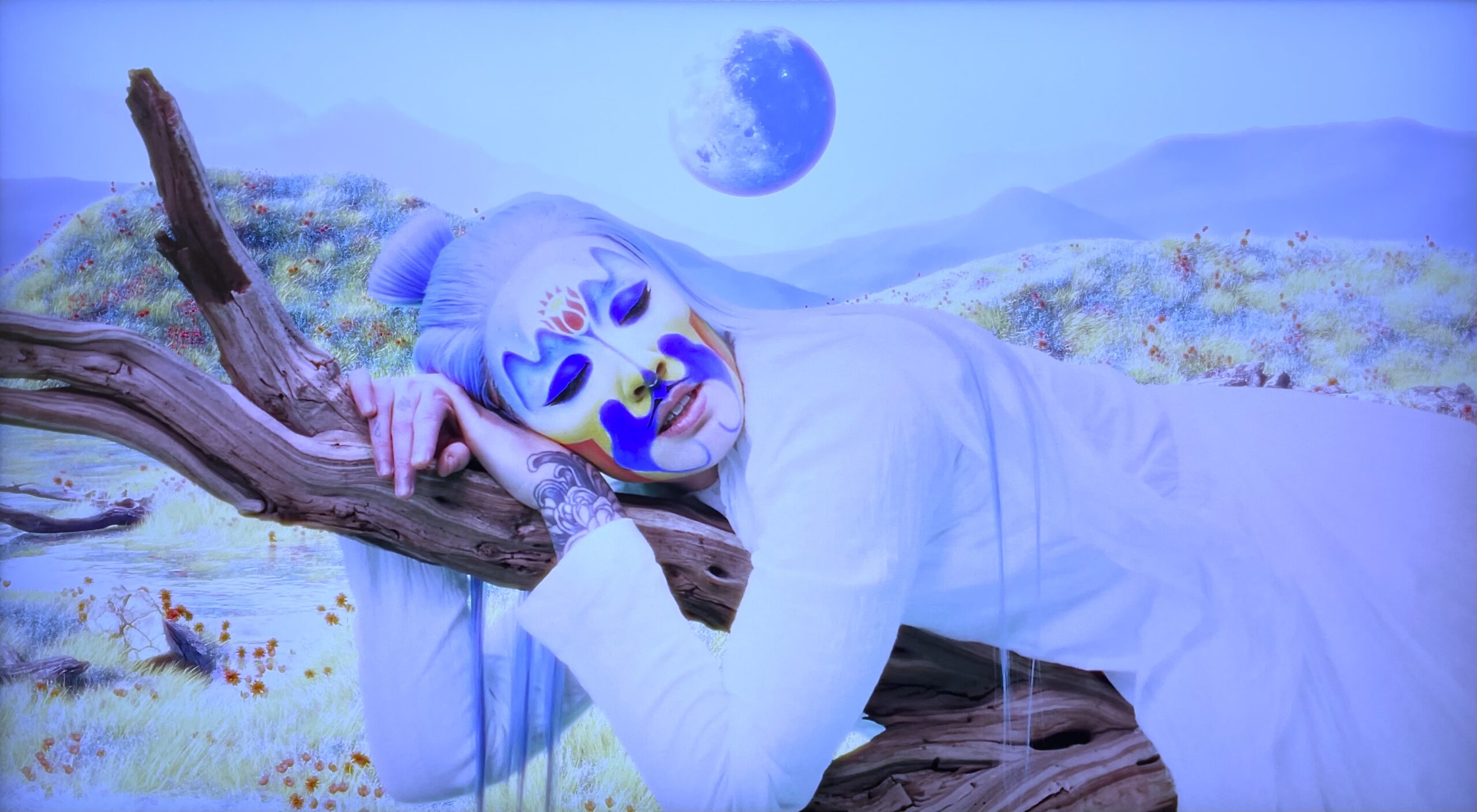
Don’t too many priests spoil the soup? The Vatican’s two-curator, two-site, countless-artist pavilion tries to please crowds in the garden and confuses them in the sacristy. The sonic walk installation, with works by Obristian sidekicks cued up to the heavens, is outright trivial. It’s pleasant, granted, to stroll through Venice’s one patch of secluded greenery, but that’d be the case even without wireless headphones. This installation could happen (and has) anywhere; the holy soundtrack’s transcendental pathos is, in this end, entirely generic. 

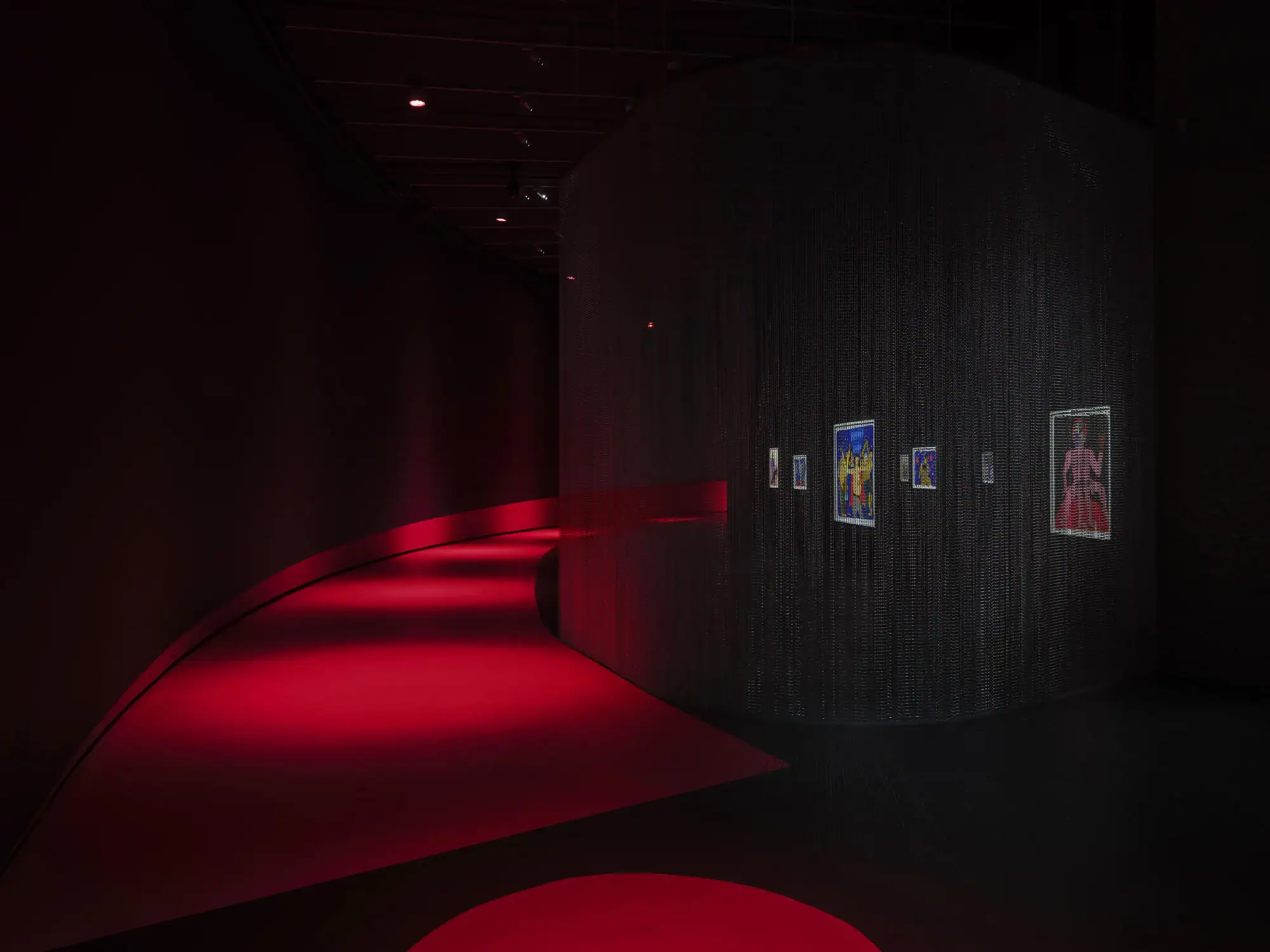
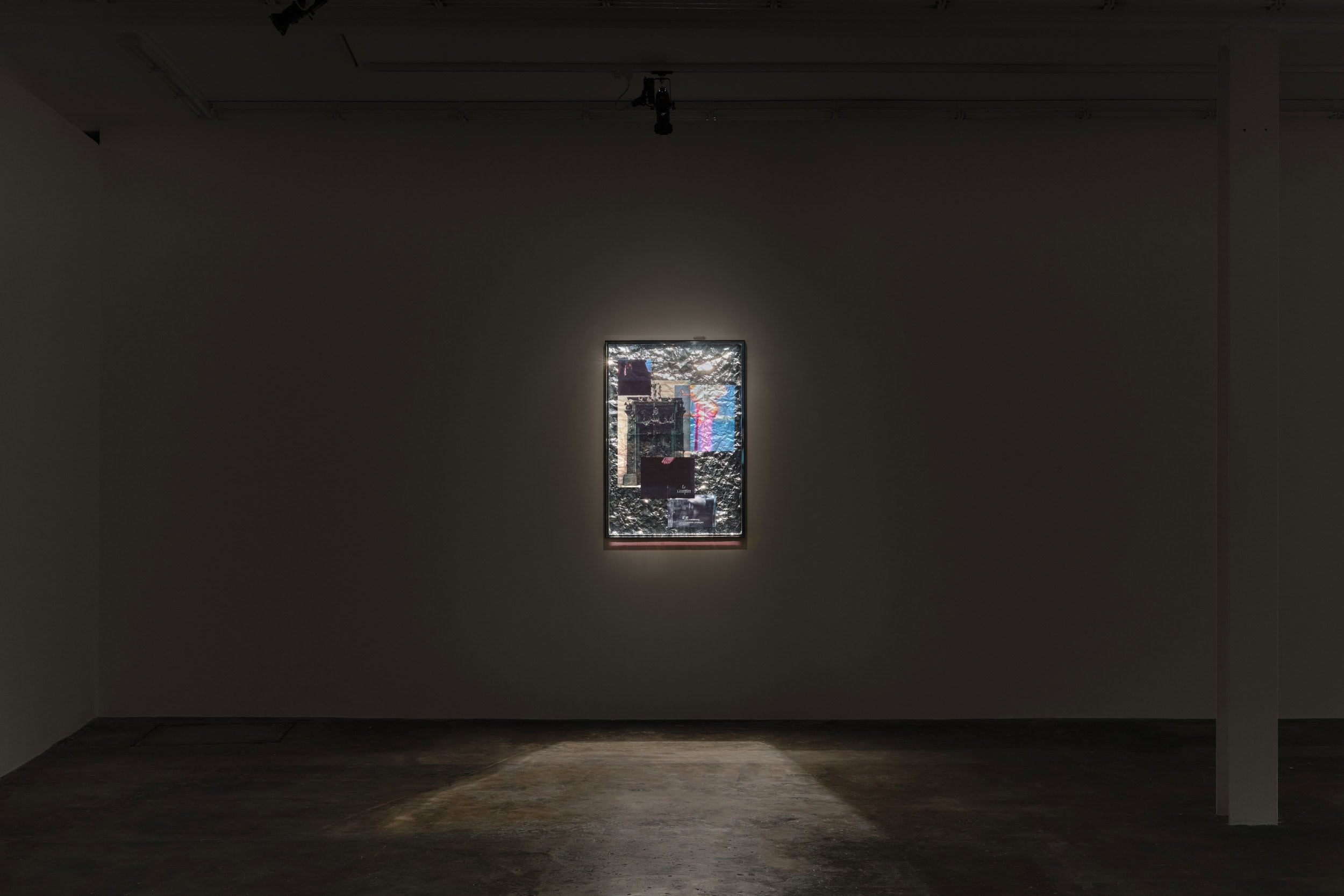
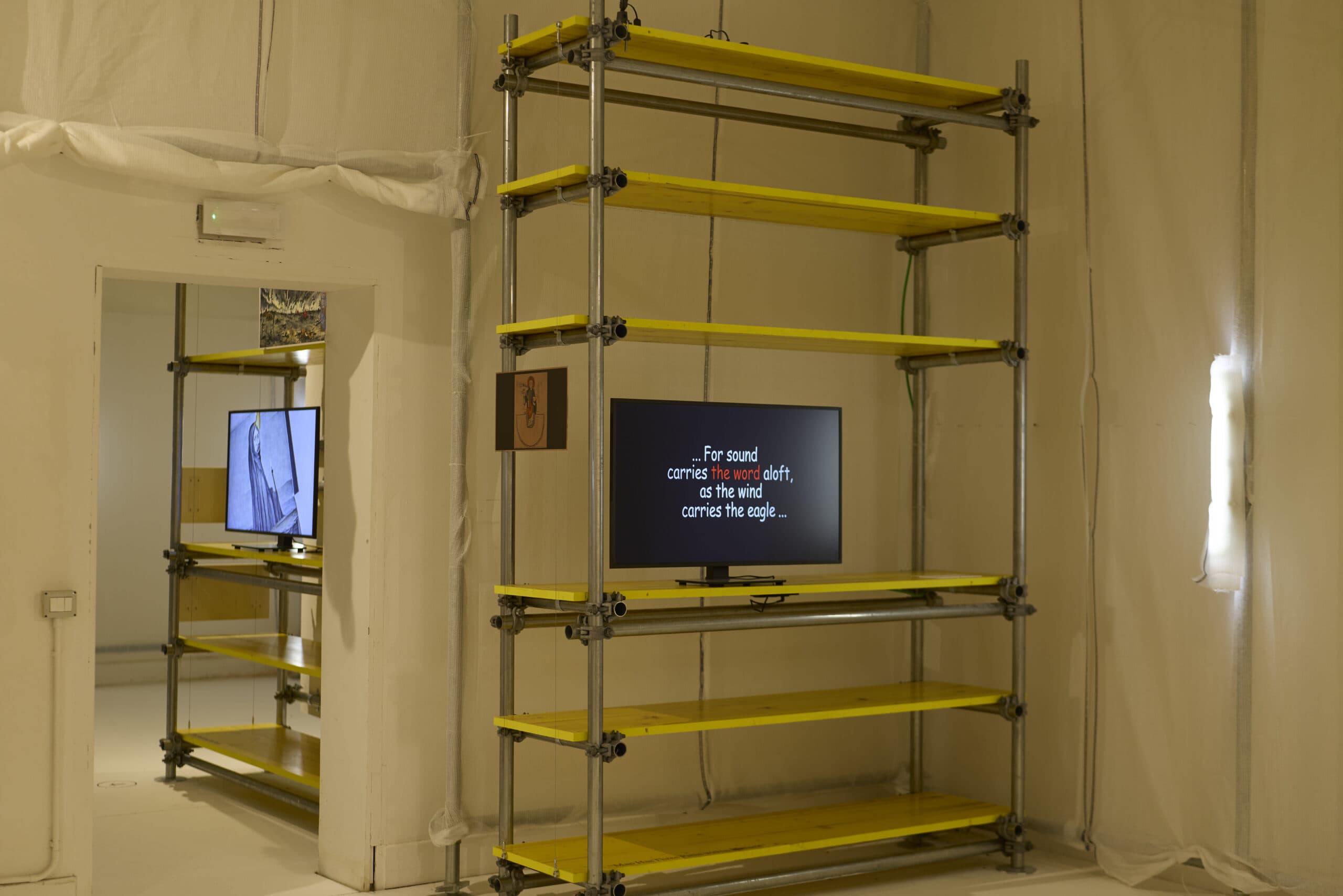
Across the city, Kluge’s dying confession to Hildegard of Bingen is spectacular but by contrast too heavenly to dwell in. Architectural reconstruction hardware, drapery, and sickly yellow lighting turn the church complex into a site of renewal. In it, twelve filmic stations bear the sound of nuns singing, musicological trivia, and interruptions in… Comic Sans. What they narrate God only knows, though. In vain, one waits for this Medieval sonic payload to trump its contemporary counterpart. 

notes and notices are short and curt exhibition reviews. Read more:

Pavel Brăila: On the Thousand and Second Night, Moldova in Venice ★★★★☆

Pavel Brăila

On the Thousand and Second Night

★★★★☆

Temporal collapse manifests in magic.

Soufiane Ababri, Their mouths at Barbican ★★☆☆☆

Soufiane Ababri

Their mouths were full of bumblebees

★★☆☆☆

Ababri’s paintings for the Grindr generation are more cartoonish than they are from life.

Patricia Ferguson, Each Little Scar at FILET ★★★★☆

Patricia Ferguson

Each Little Scar

★★★★☆

No medium is better suited to anxiety and dread.

Justin Caguiat, Dreampop at Modern Art ★★★★☆

Justin Caguiat

Dreampop

★★★★☆

This is the sort of exhibition that makes a critic question the quality of their judgment.

Cullinan Richards, Retrospective at Alma Pearl ★★★★☆

Cullinan Richards

Retrospective

★★★★☆

Rhis show is the kompromat in an art generation’s archive.

The Imaginary Institution of India at Barbican ★★★★★

The Imaginary Institution of India

★★★★★

How does a curator tell an unfamiliar history yet evade the museum’ didacticism and the audience’s dulled expectations? Jhaveri’s ambitious review of India’s testing decades at the end of the 20th century could easily have been a torturous sermon: the…

×