Anna Barriball

New Drawings

★★☆☆☆

On until 14 March 2024

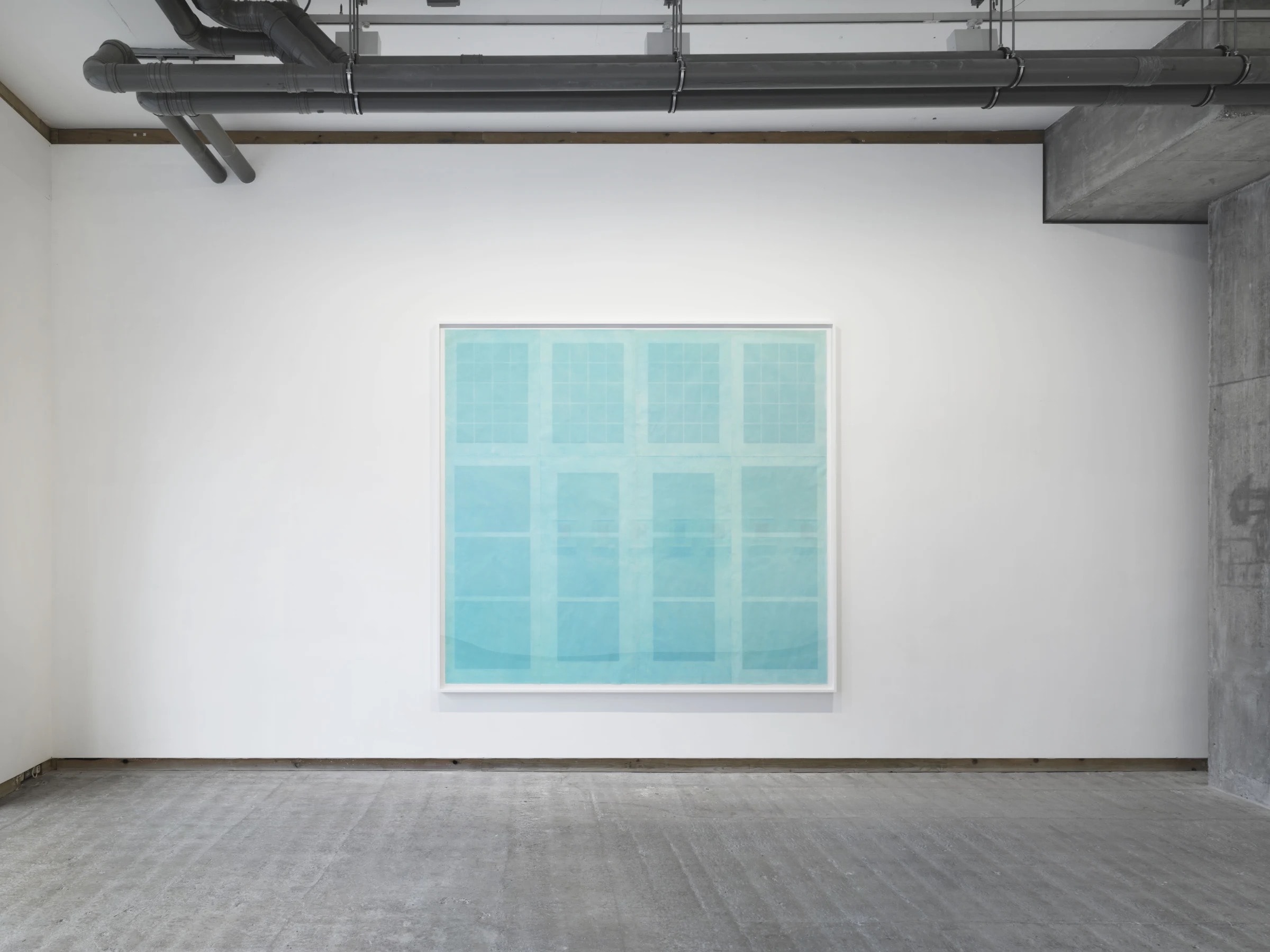
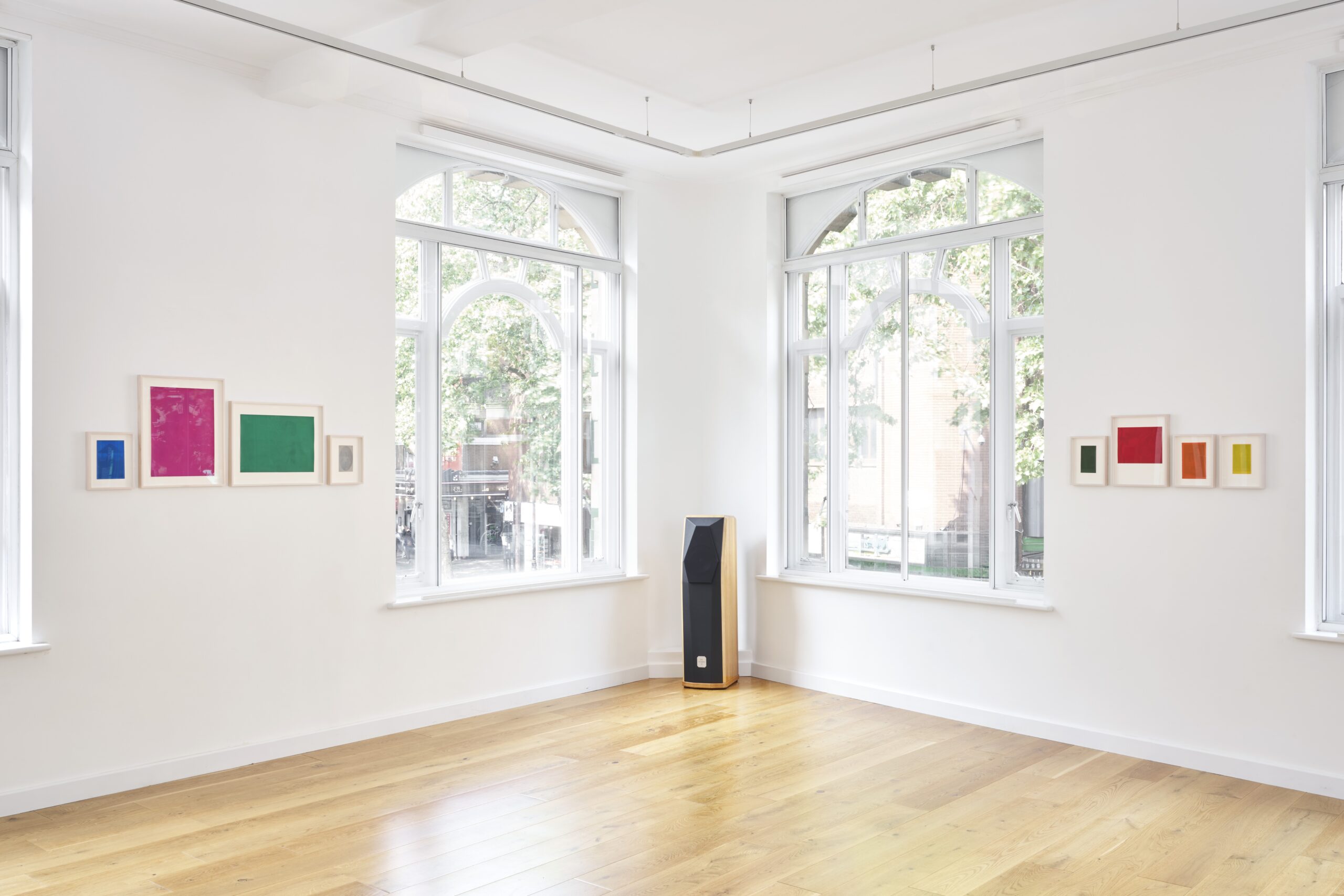
Barriball is known for repetitive marks which caress surfaces before defeating them with pigment. Now, new drawings of windows – blue, orange, and yellow rectangles of faintly broken-up colour – try to capture shadows cast by the sun on the floor in her studio. They’re visible only against a layer of dust which temporarily settled between gusts of wind. 

But they only feign such fragility. On unsolicited inspection, these blocks turn into dull sheets of waxed paper and not the light-loving cyanotypes or Polaroids to which they make claims. The blinds are drawn tightly over the frames, leaving no highlights, no shadows, and no sunlight either. 

Vague references in the gallery’s text to the artist’s comfortable pandemic isolation fail to illuminate this confusion. The eyes may be the windows of the soul. To make an aphorism of the reverse needs more than shadow-play.
notes and notices are short and curt exhibition reviews. Read more:

Vinca Petersen, Me, Us and Dogs at Edel Assanti ★★★☆☆

Vinca Petersen

Me, Us and Dogs

★★★☆☆

Close up, Petersen’s innocents today conjure ideas of redneck resistance. At scale, of state-marketed utopia. The middle ground is envy.

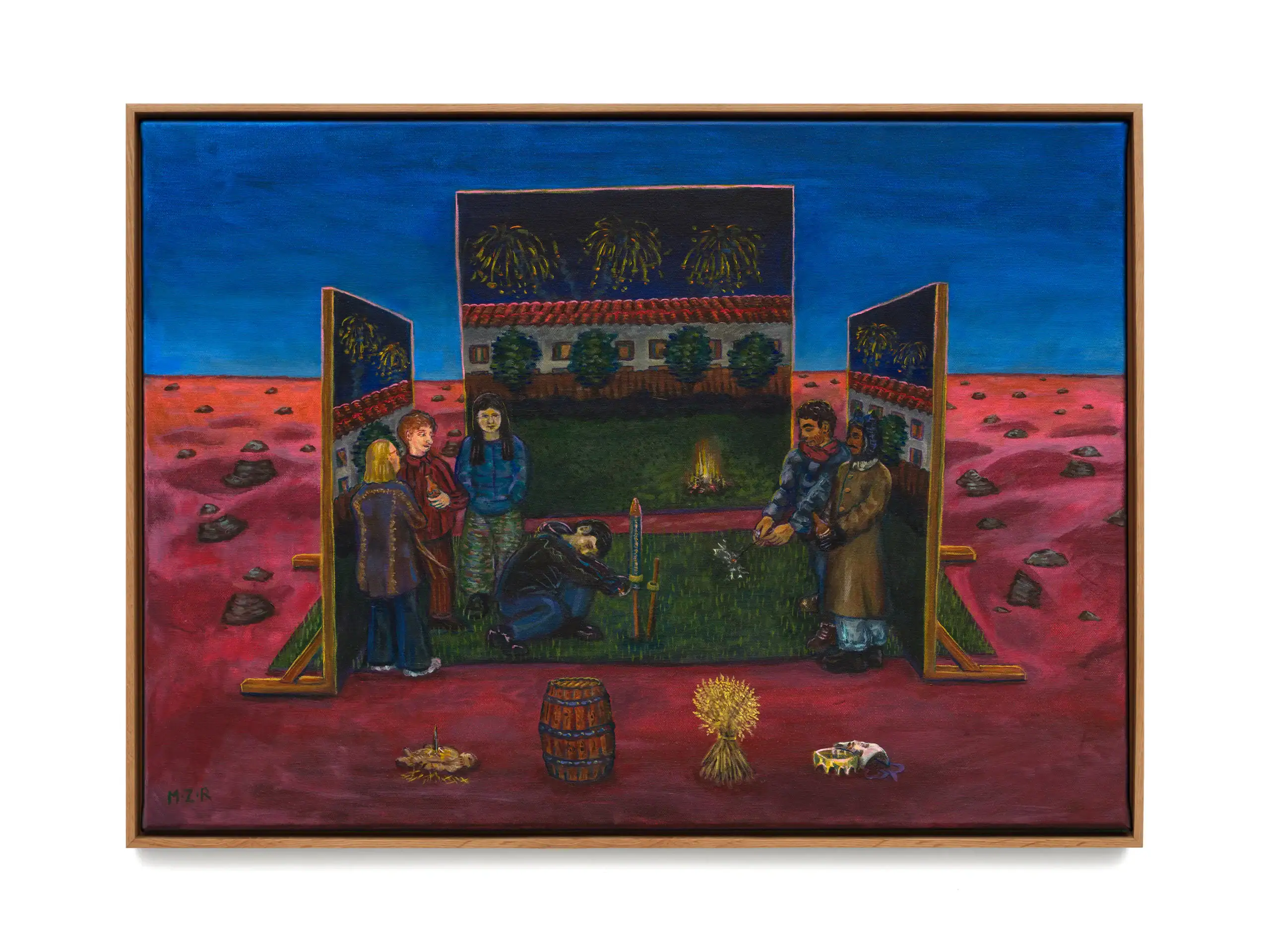
Mohammed Z. Rahman, A Flame is a Petal at Phillida Reid ★★★☆☆

Mohammed Z. Rahman

A Flame is a Petal

★★★☆☆

Rahman’s zine hand makes this make-believe explicit but not plausible.

Raed Yassin: Eternal Ghost at Cedric Bardawill ★★☆☆☆

Raed Yassin

Eternal Ghost

★★☆☆☆

Pictures of other people’s children don’t sell.

Yo Nishimura: Dislocation at Sadie Coles ★☆☆☆☆

Yo Nishimura

Dislocation

★☆☆☆☆

Dislocation was once the stuff of excitement. Today, it barely recognises its own homelessness.

Francesca DiMattio, Wedgwood at Pippy Houldsworth ★★★☆☆

Francesca DiMattio

Wedgwood

★★★☆☆

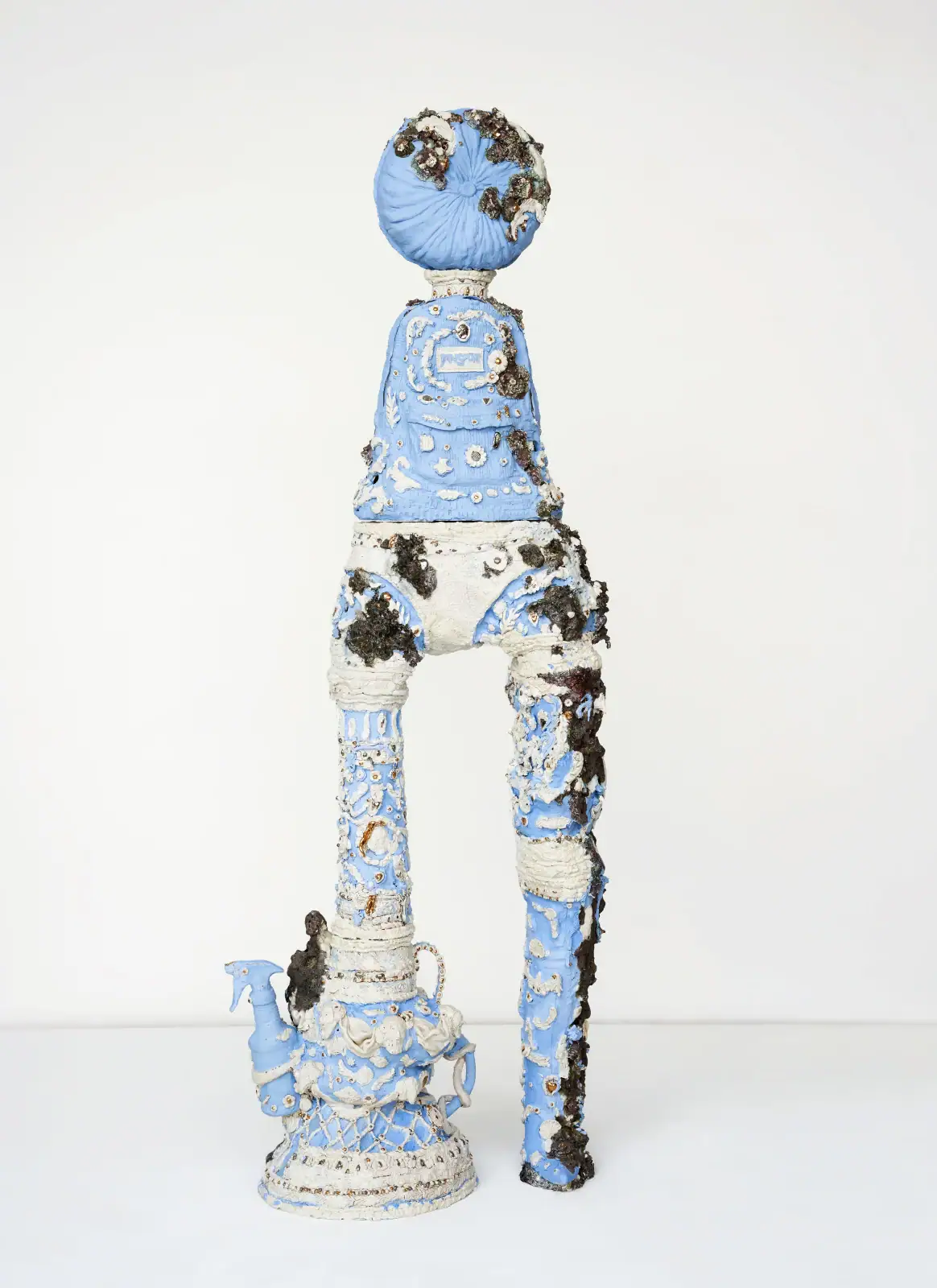
In DiMattio’s giant ceramics kiln, everyday motifs like sneakers and knickers clash into the ornate Rococo stove and the Victorian China snuff box.

Noah Davis at The Barbican ★★★☆☆

Noah Davis

★★★☆☆

Davis’ canvases give an account of time more sensitively than the Victorian portrait photograph

×