Marisa Krangwiwat Holmes, Shamiran Istifan, Tasneem Sarkez

Saccharine Symbols

★★★☆☆

On until 20 December 2023

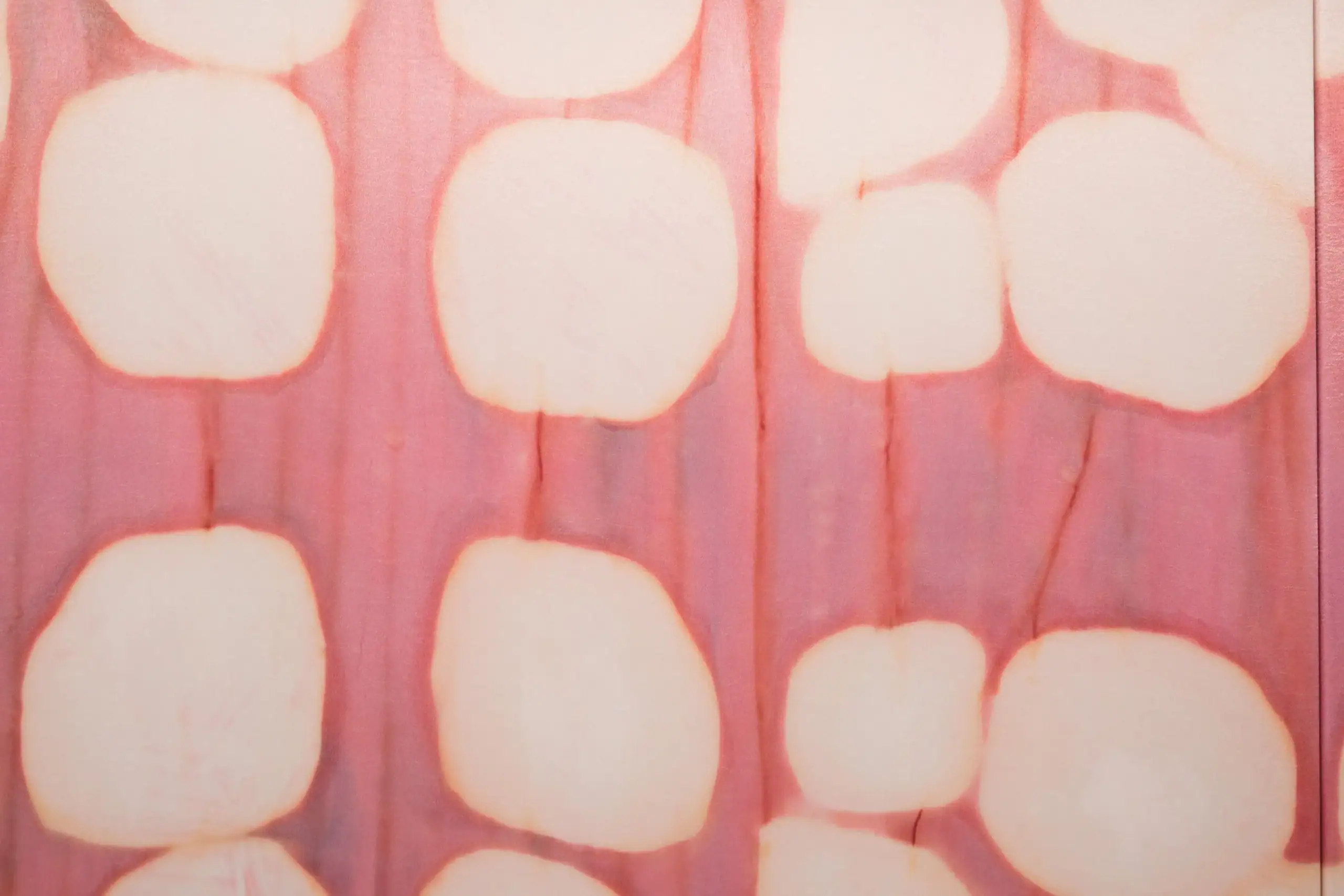
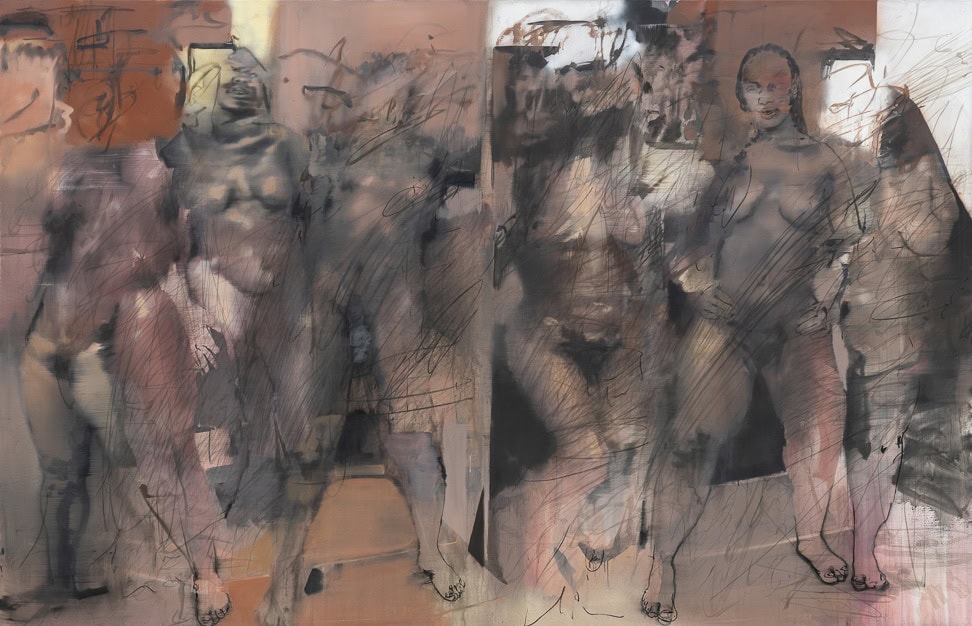
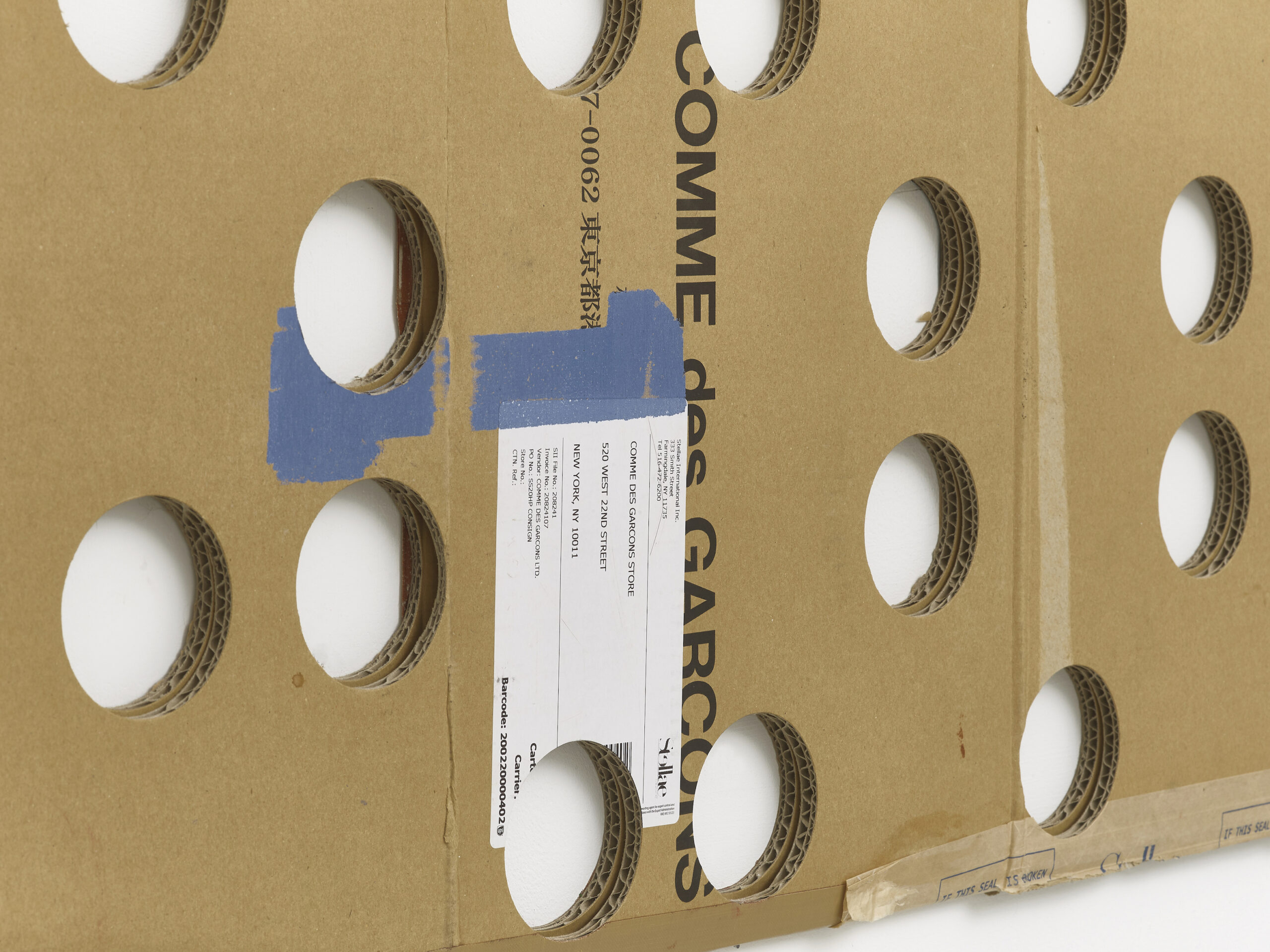
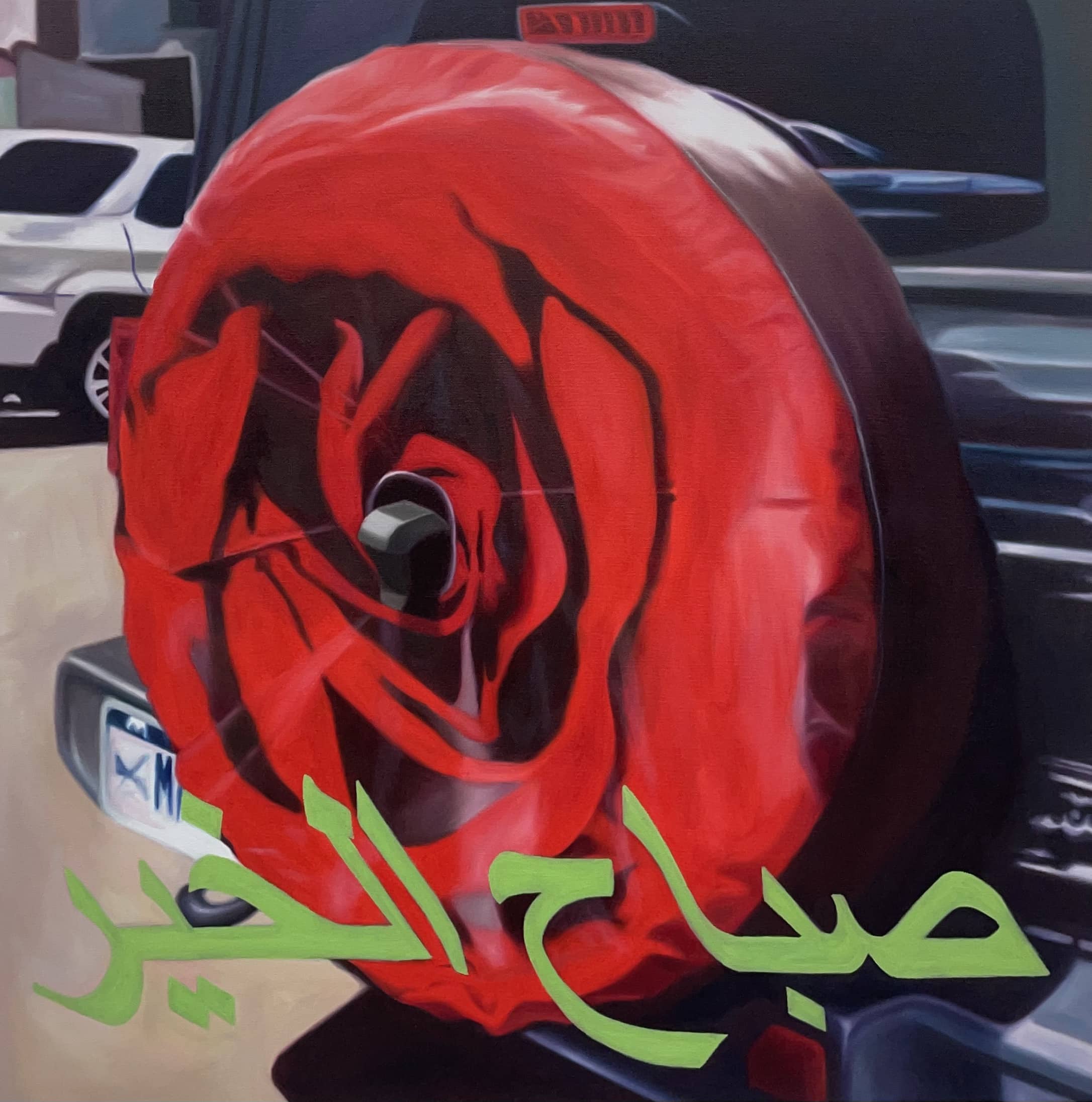
Meaning parts with the image in this exhibition, never to return. Two paintings by Sarkez overlay banal messages (“11:11” and “good morning” in Arabic) on unremarkable street scenes from the Gulf states. Istifan mixes all manner of iconographies – Playboy bunnies, Baroque cherubs, and Wingdings the font – in all manner of media. Kringwiwat Holmes collages vintage mail-order catalogues with photographs and doodles. Post-structuralism triumphs.

All this is intriguing but ultimately impossible to parse because these artists, working in separation, each stage their own assaults on the same symbols and the display does not reveal the rules. What should have been a sinister game of chess – Sarkez provides a board – is instead a frustrating circular reference.
notes and notices are short and curt exhibition reviews. Read more:

Stuart Middleton, The Human Model at Carlos/Ishikawa ★★☆☆☆

Stuart Middleton

The Human Model

★★☆☆☆

An interest in material is core to this practice but Middleton mistrusts his instincts.

Aria Dean, Abattoir at ICA ★★★☆☆

Aria Dean

Abattoir

★★★☆☆

Visuals of her own making overpower the artist.

Paper Tiger Television at Goldsmiths CCA ★★☆☆☆

Paper Tiger Television

It’s 8:30. Do you know where your brains are?

★★☆☆☆

Hand-painted backdrops and cardboard props appeal to institutional leaders stuck in Blue Peter nostalgia.

Max Boyla, Crying like a fire in the sun at Workplace ★★☆☆☆

Max Boyla

Crying like a fire in the sun

★★☆☆☆

Rothko’s abstractions are said to have induced tears in viewers overwhelmed by abstraction. Staring at the sun here, however, barely causes blindness.

George Rouy: REPRISE at Hannah Barry ★★★☆☆

George Rouy

REPRISE

★★★☆☆

Rouy’s mid-mortem group portraits betray timidity when faced with their own image.

Nick Relph, Fils, ta vision! at Herald St ★☆☆☆☆

Nick Relph

Fils, ta vision!

★☆☆☆☆

There’s little for the eye to hang on and none of the punk culture of Relph’s earlier practice emerges from the works.

×