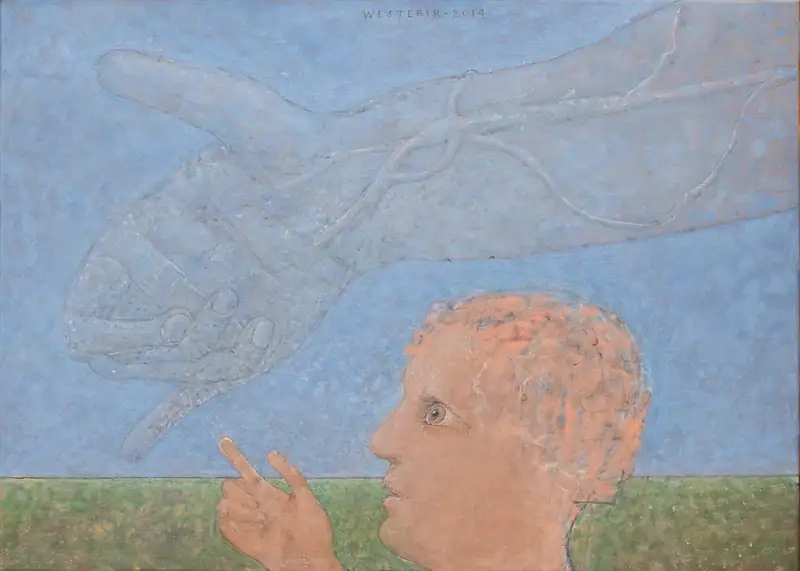
Westerik catches his figures in deep contemplation in front of the mirror, in the gynaecologist’s chair, or even mid-orgy.
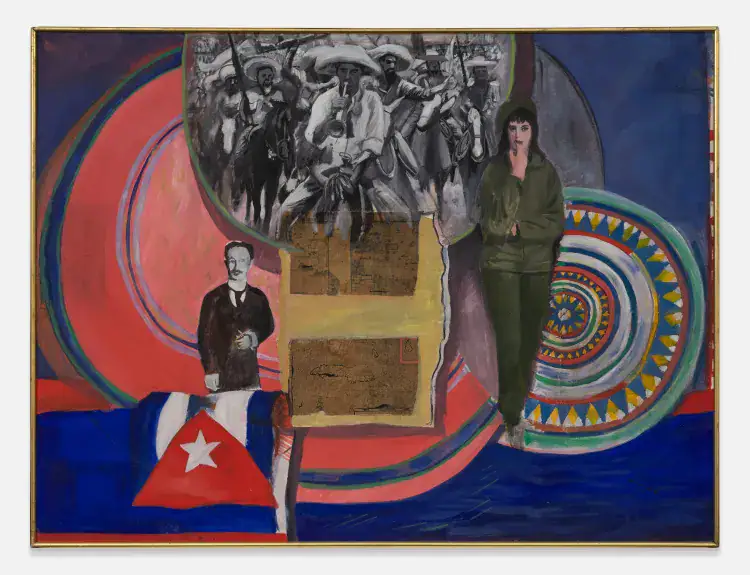

This exhibition mixes the woman and her legend, but without the air of mystery she enjoyed during her lifetime.


Aj Tjoe’s paintings could make great scenic backdrops to a David Attenborough documentary on the life of wild rodents
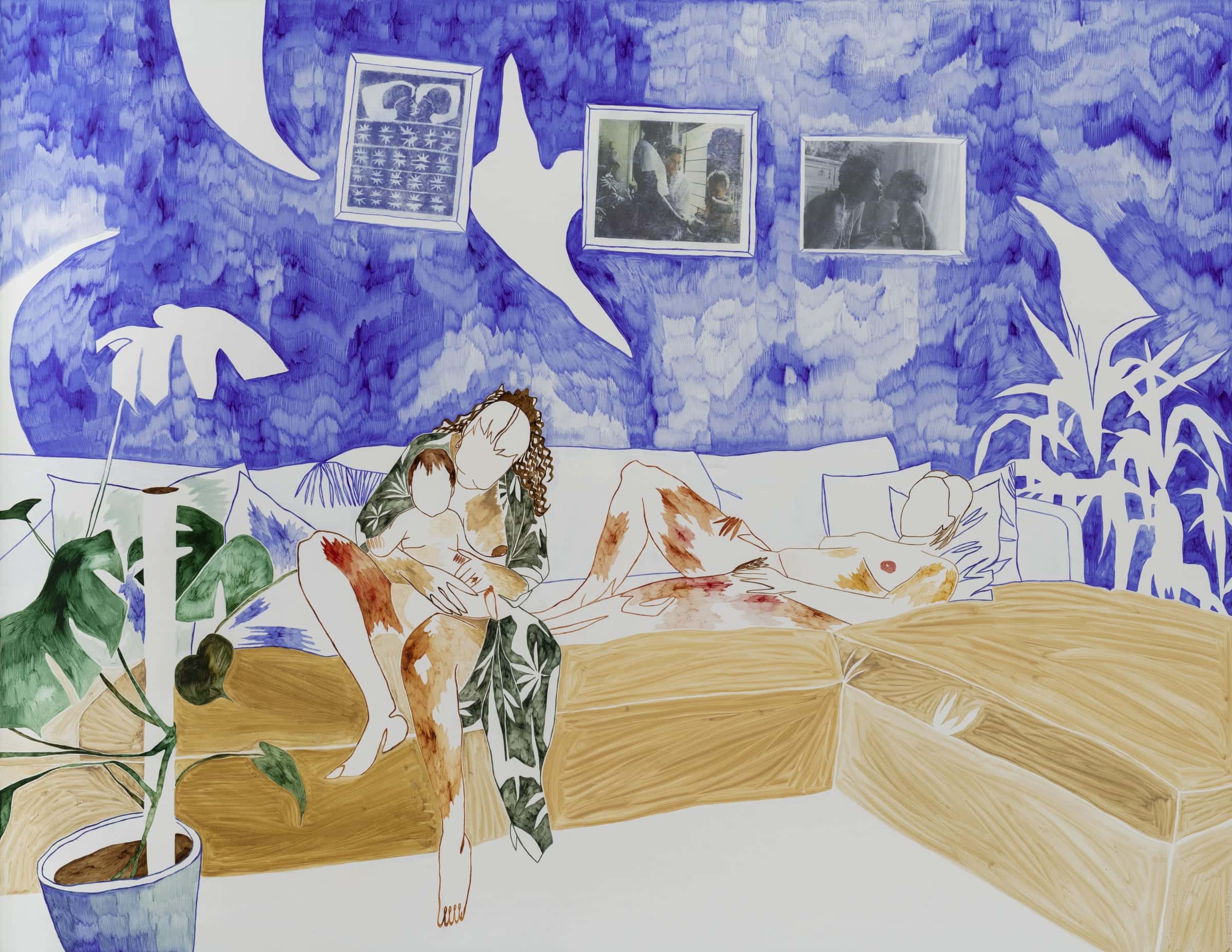

Forrester’s project is timely when foundational concepts like ‘mother’ and their ‘as-though’ counterparts are readily confused.
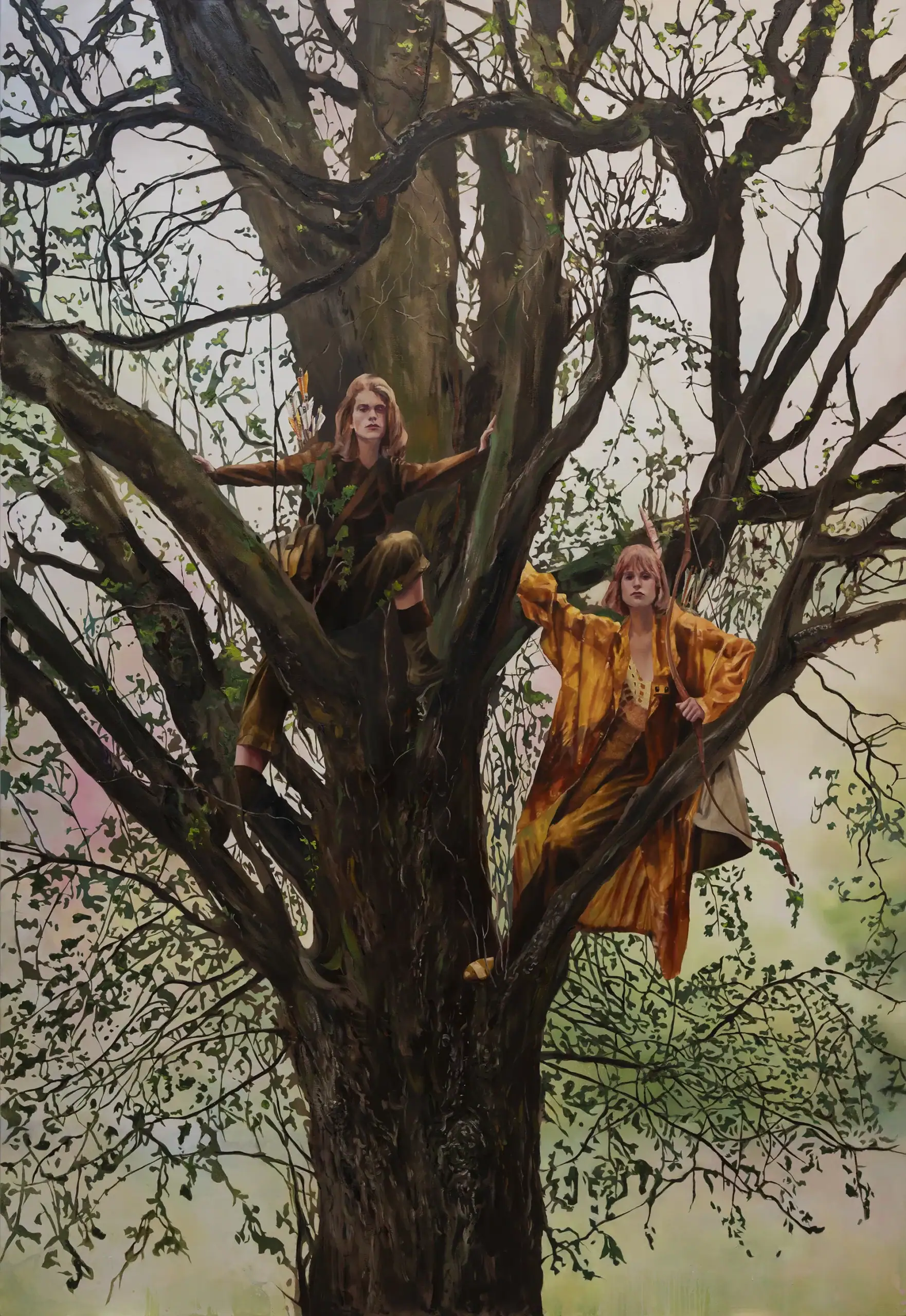

It should be within the resources of Pace and Olowska’s experience to advance her legend beyond the discretely marketable.


Who opens a space in Fitzrovia only to fill it with such drivel?


One can only imagine that some unconscious loathing of postmen motivated this project.
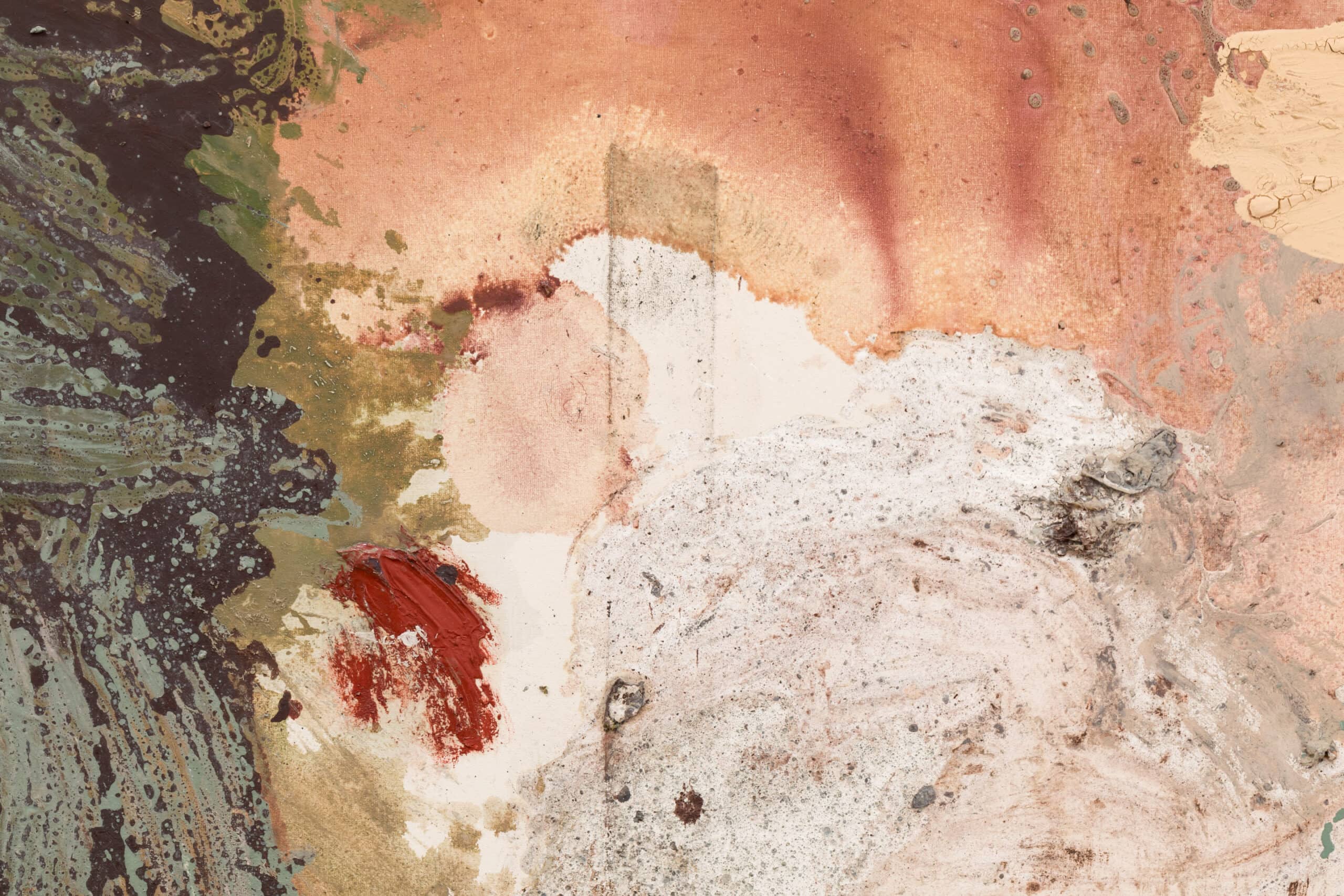

In this game of aesthetic cognition, the idea which survives is of the artist thinking.


There’s no dignity in paint when the arc of art history tends to “show hole”.
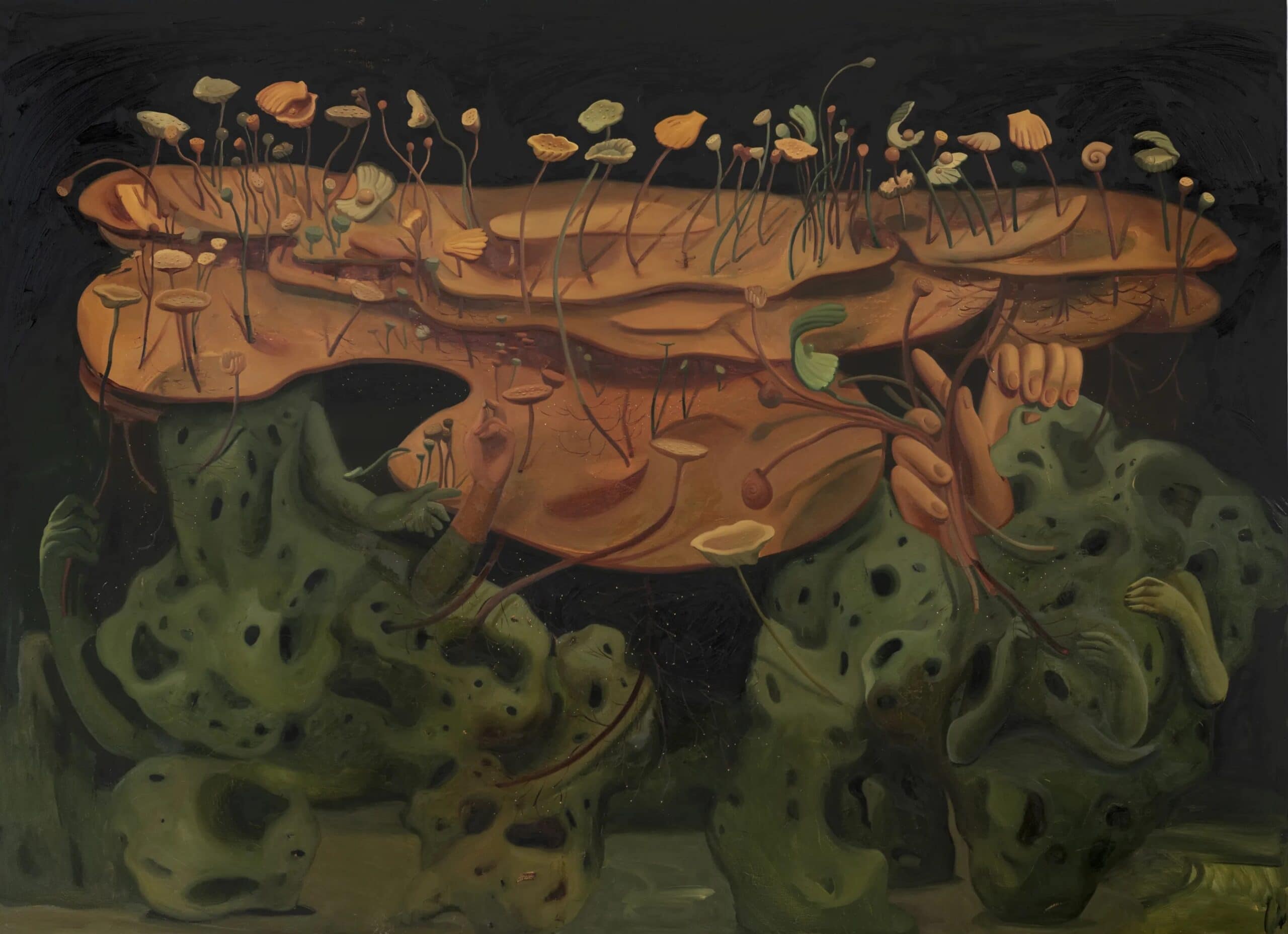

All this tries to be macabre and surreal like in Bosch or Miyazaki but is instead laughably twee.


This show would be better without the baggage of the artist’s personal story and even better without the Twin Towers altogether.
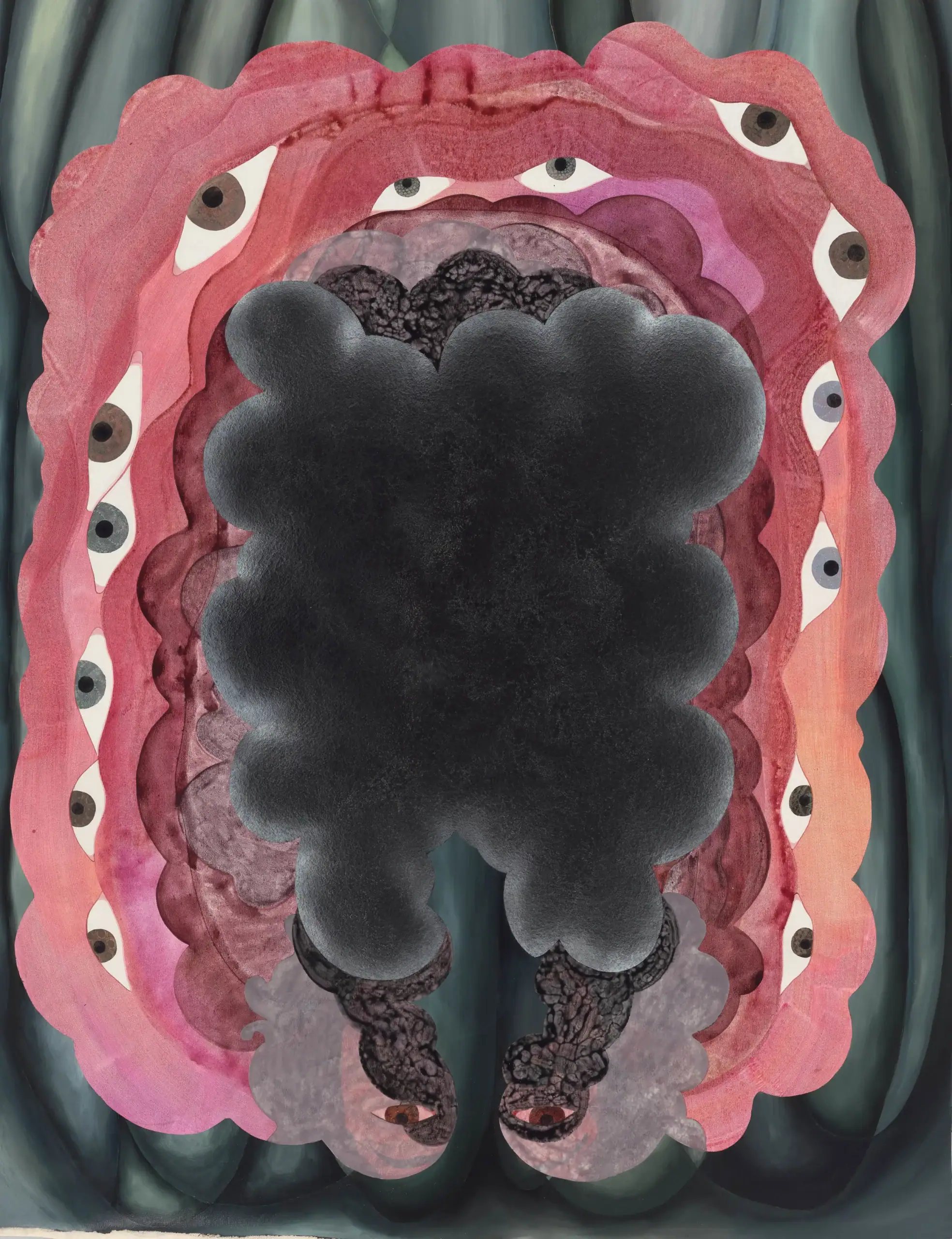

This is the work of a mind that, having needlessly spent years in therapy, became hooked on ennui or of an artist who wasted time misreading Lacan.
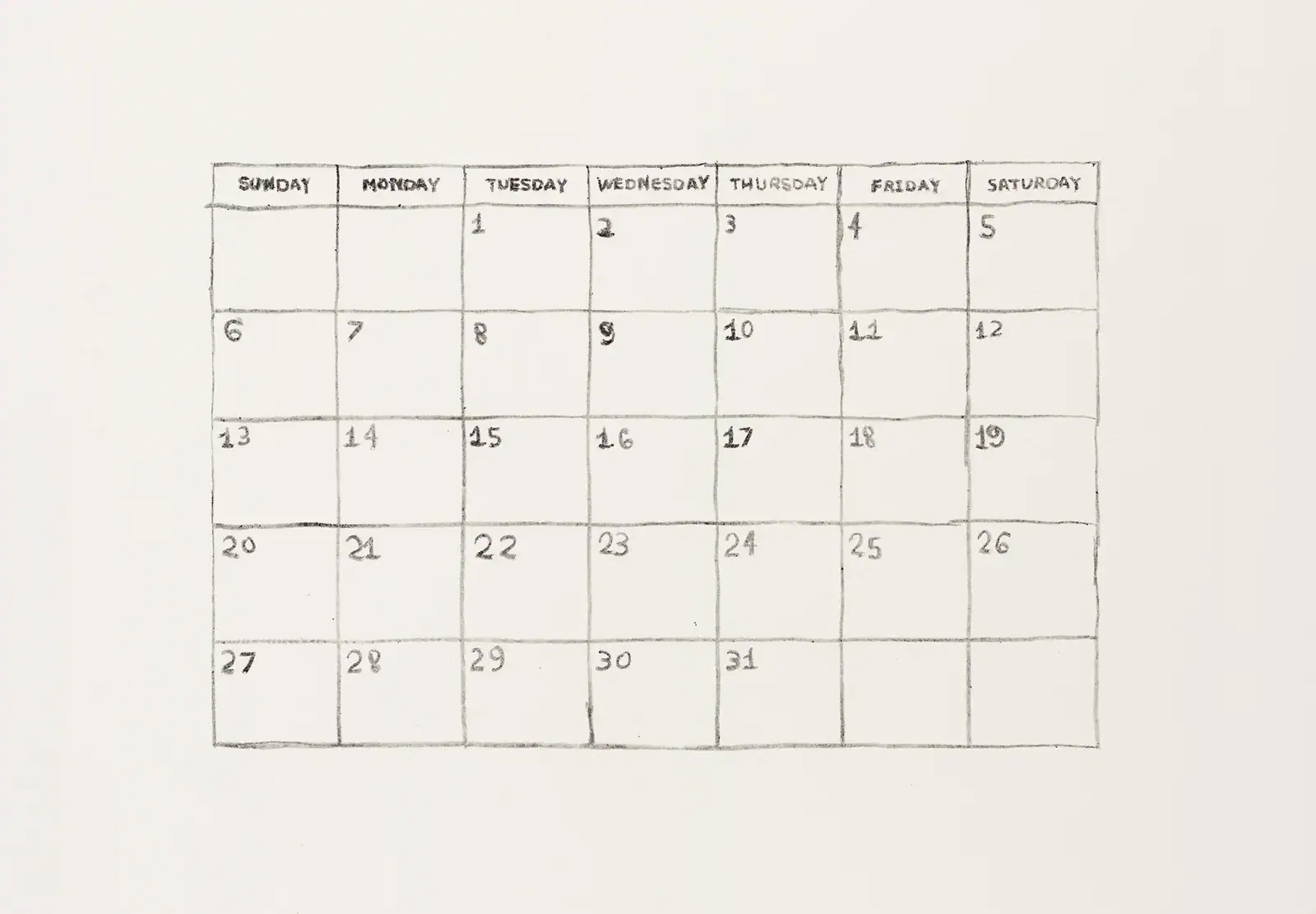

This exhibitions is trying to explain the concept of ‘crazy paving’ to a blind man. It’s impossible to tell where a work ends and the wall begins.


The reward for taking part in this experiment of life is ascension to the holy orders.
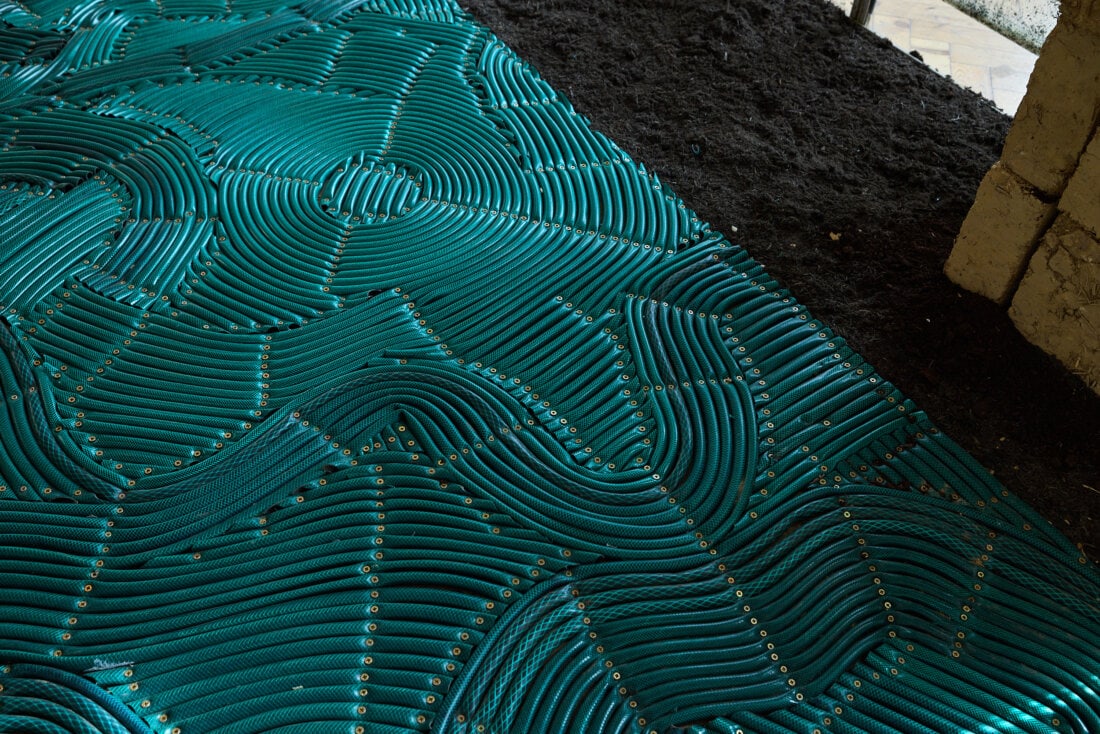

The whole thing feels like a remake of Wind in the Willows directed by a garden gnome.


The clues that Glantz leaves on her surfaces are also traps. There are either too many or not quite enough to follow or fall into.
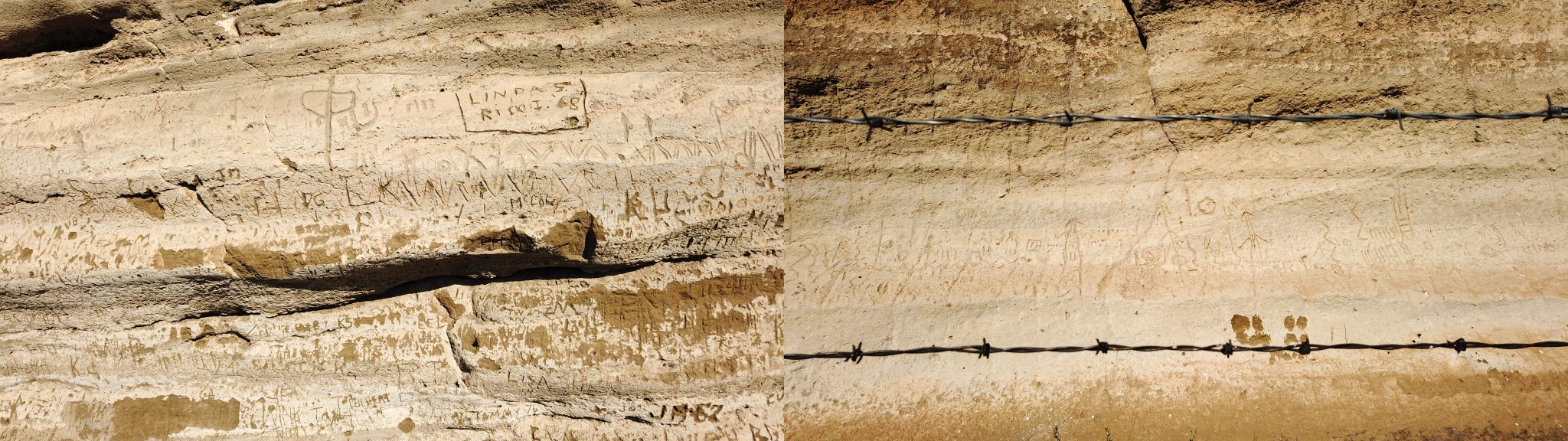

The artist must choose which ground is best ceded.
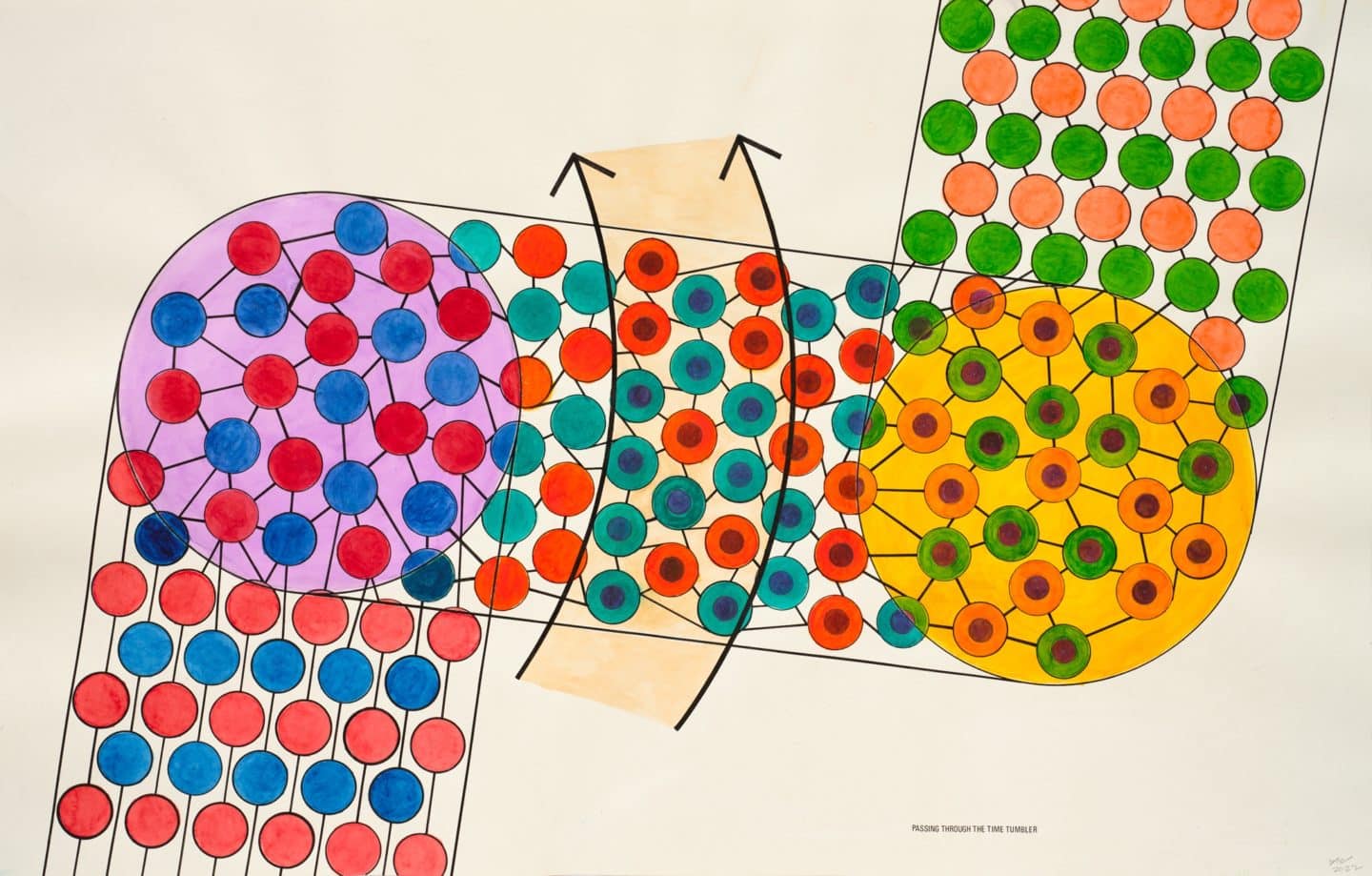

Willats orders fragments of time, matter, and space into data packets on one side of the flow chart and puts them to use on the other.
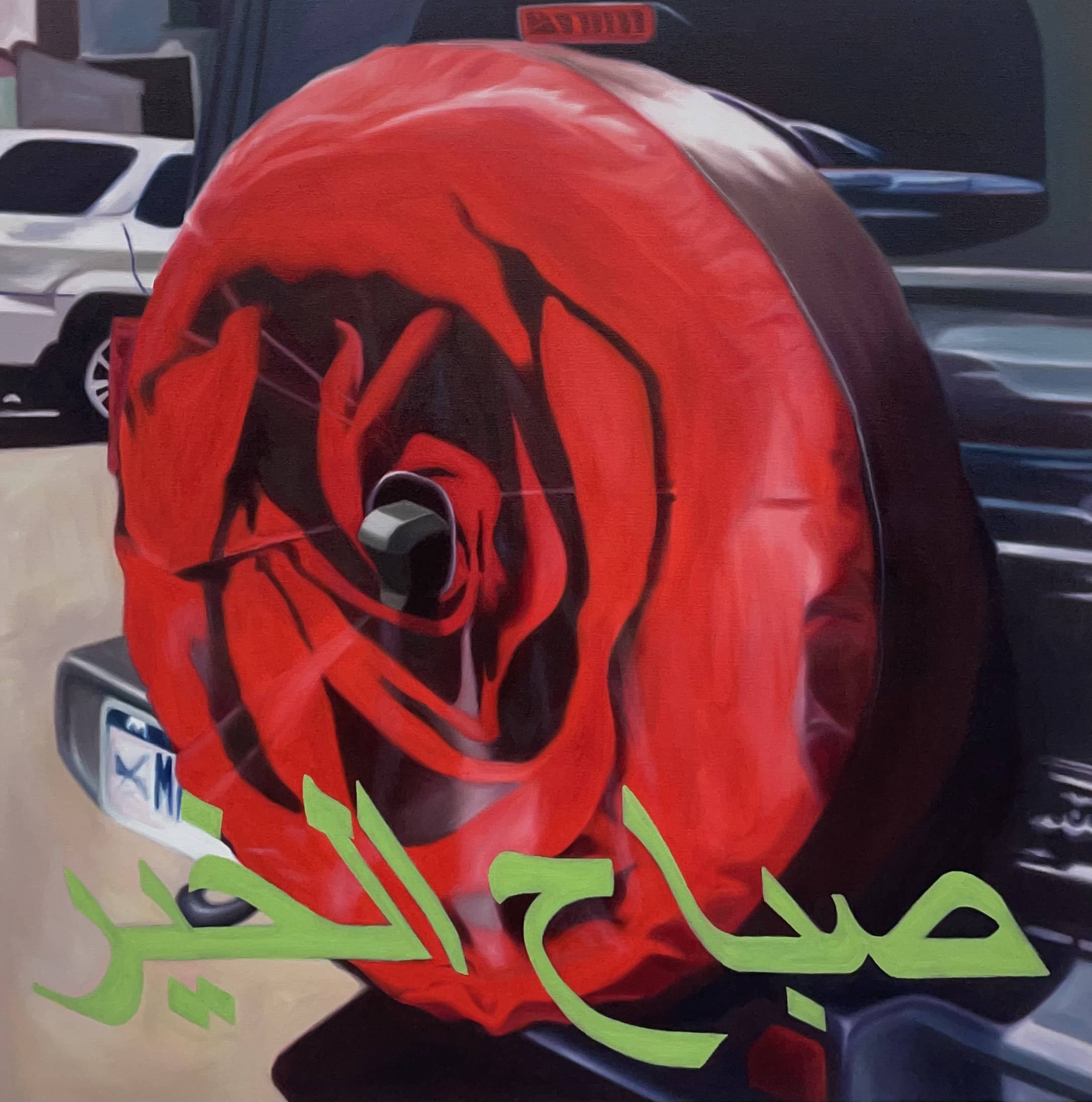

Meaning parts with the image in this exhibition, never to return. Post-structuralism triumphs.


Bronstein falls into the late evening stupor of the cheese trolley, the oyster tray, and… the Mars bar.


There’s a Bosch hellscape dedicated to Trump and a whole “basket of deplorables” polishing their guns in a prepper cell.
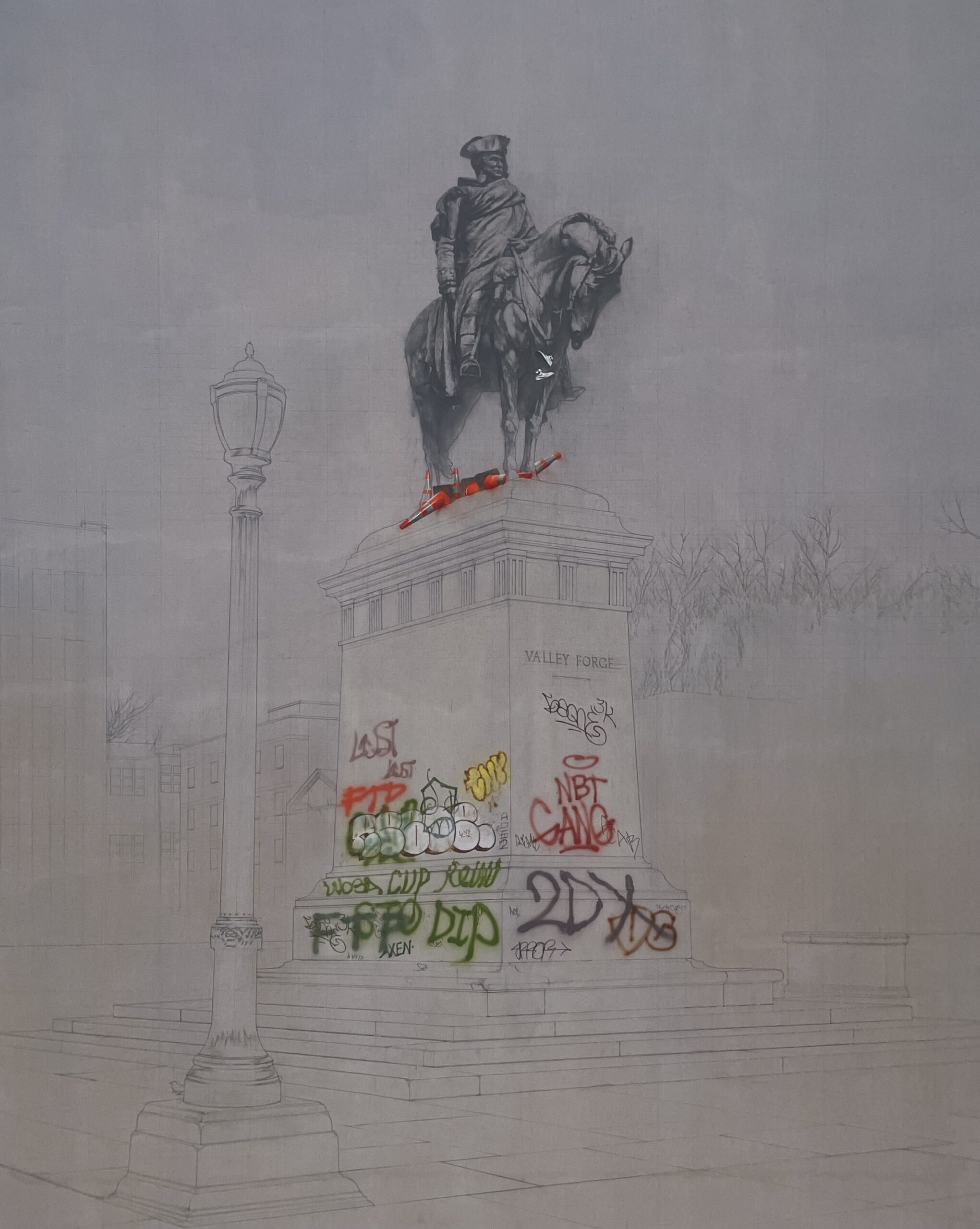

This exhibition is a warning to would-be propagandists: trust art at your peril.


The figures appear as though in x-ray and helplessly foretell their own ends.
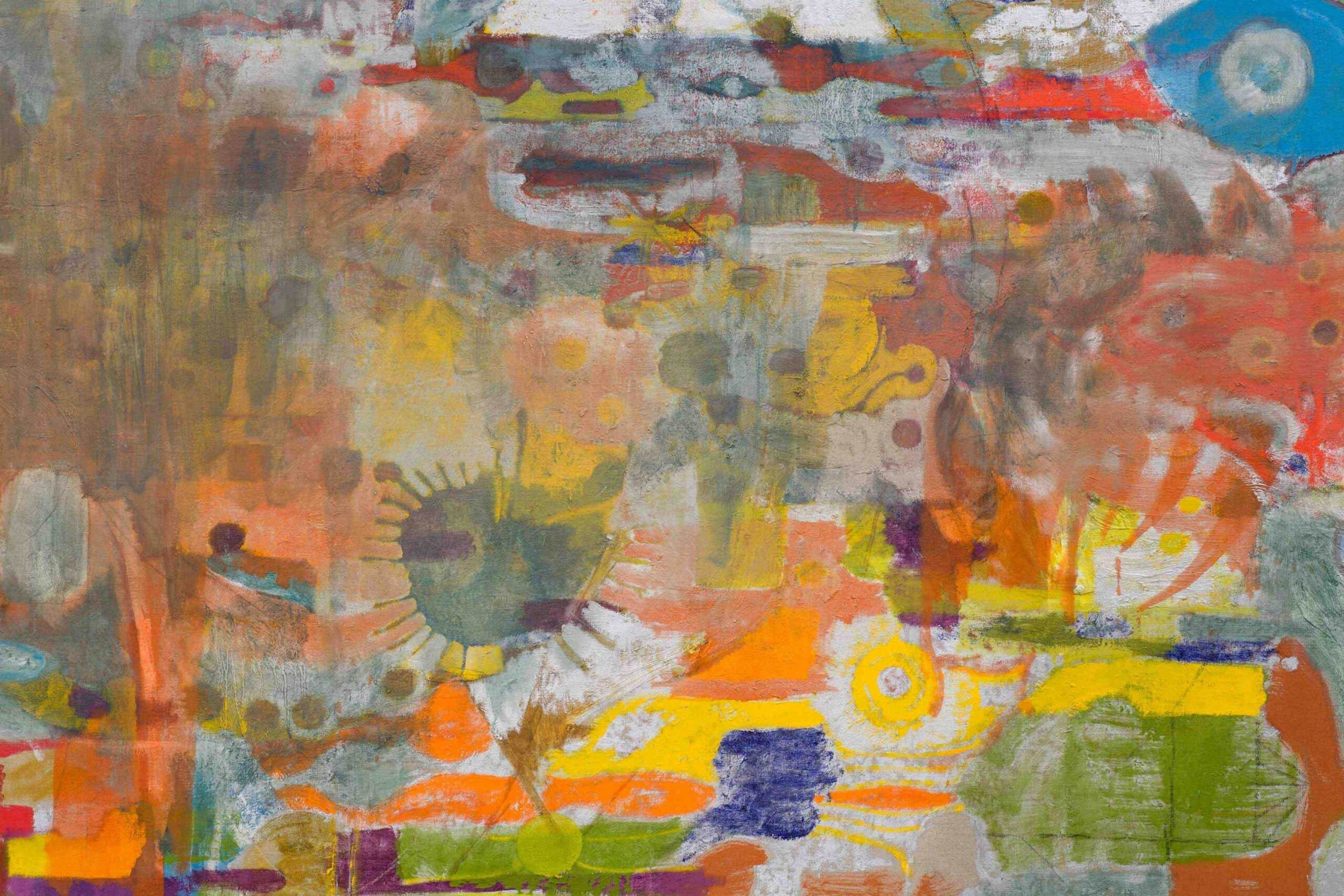
This is the sort of exhibition that makes a critic question the quality of their judgment.


Some forms of abstraction simply scream ‘my kid could have made that’.


Auer is more interested in the fate of painting than humanity and thus stands apart from the army of zealots who make eco art today.


The failed magic tricks in Lyndon Barrois Jr.’s canvases would hang in the final scene of Chinese Roulette in which everyone turns against everyone.
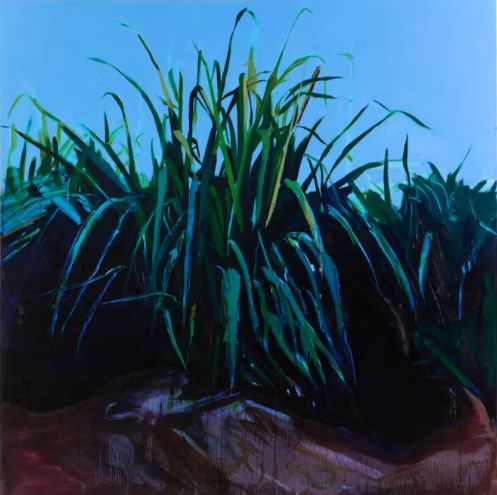

I didn’t get to see this show. Perhaps for the best.


Meisenberg’s paintings are either the product of a conspiracy or documents of a conspiracy theory.
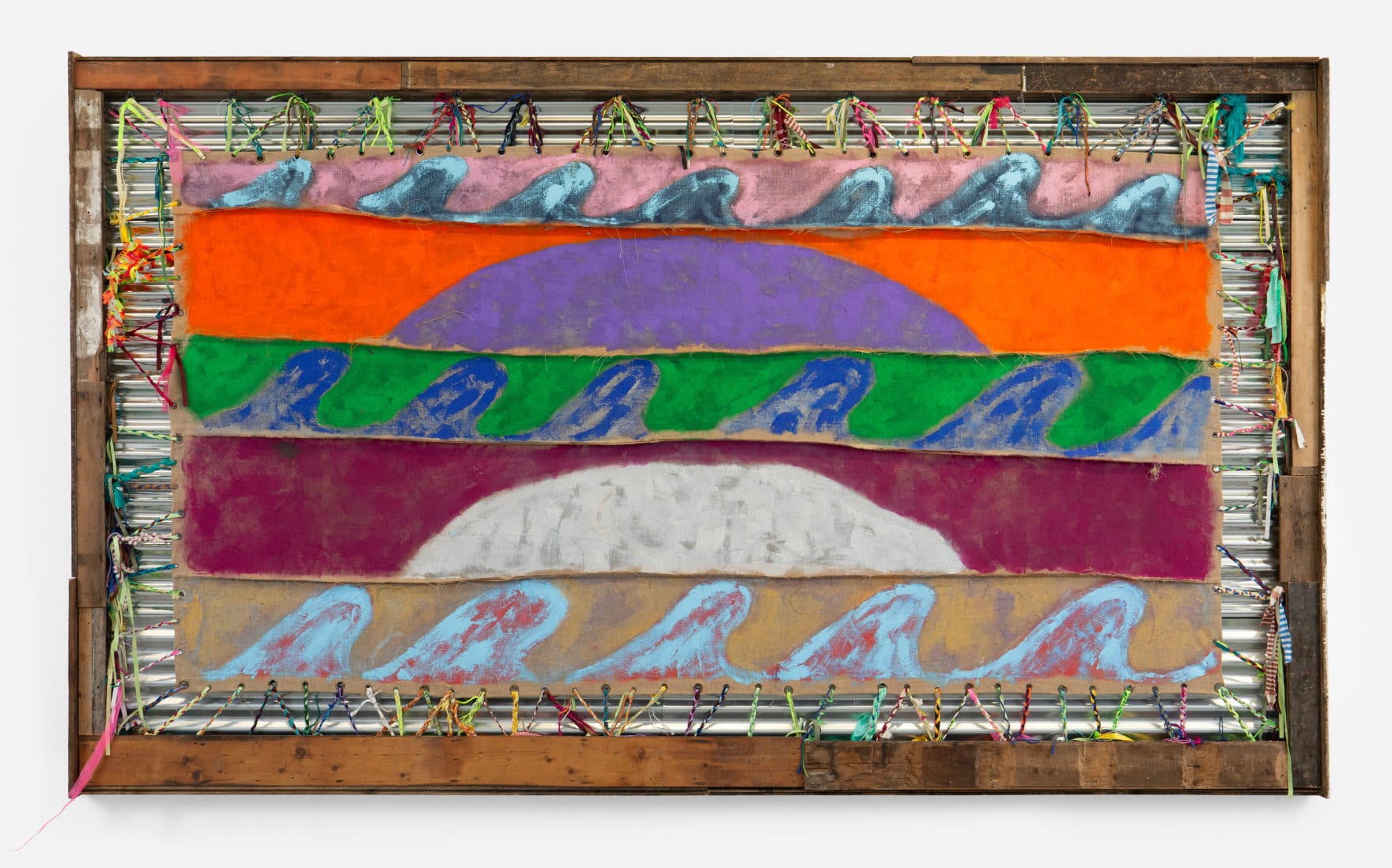

The party slumps into a half-voiced political complaint and never recovers. This is what happens when instead of living culture, we ‘celebrate’ it.


Tilson’s styled self-portraits are an affectation that will take many years of practice to pay off.


The exhibition feels like a lecture on climate change sponsored by the designers of The Line, Saudi Arabia’s dystopian plan for a 110-mile linear city in the desert.
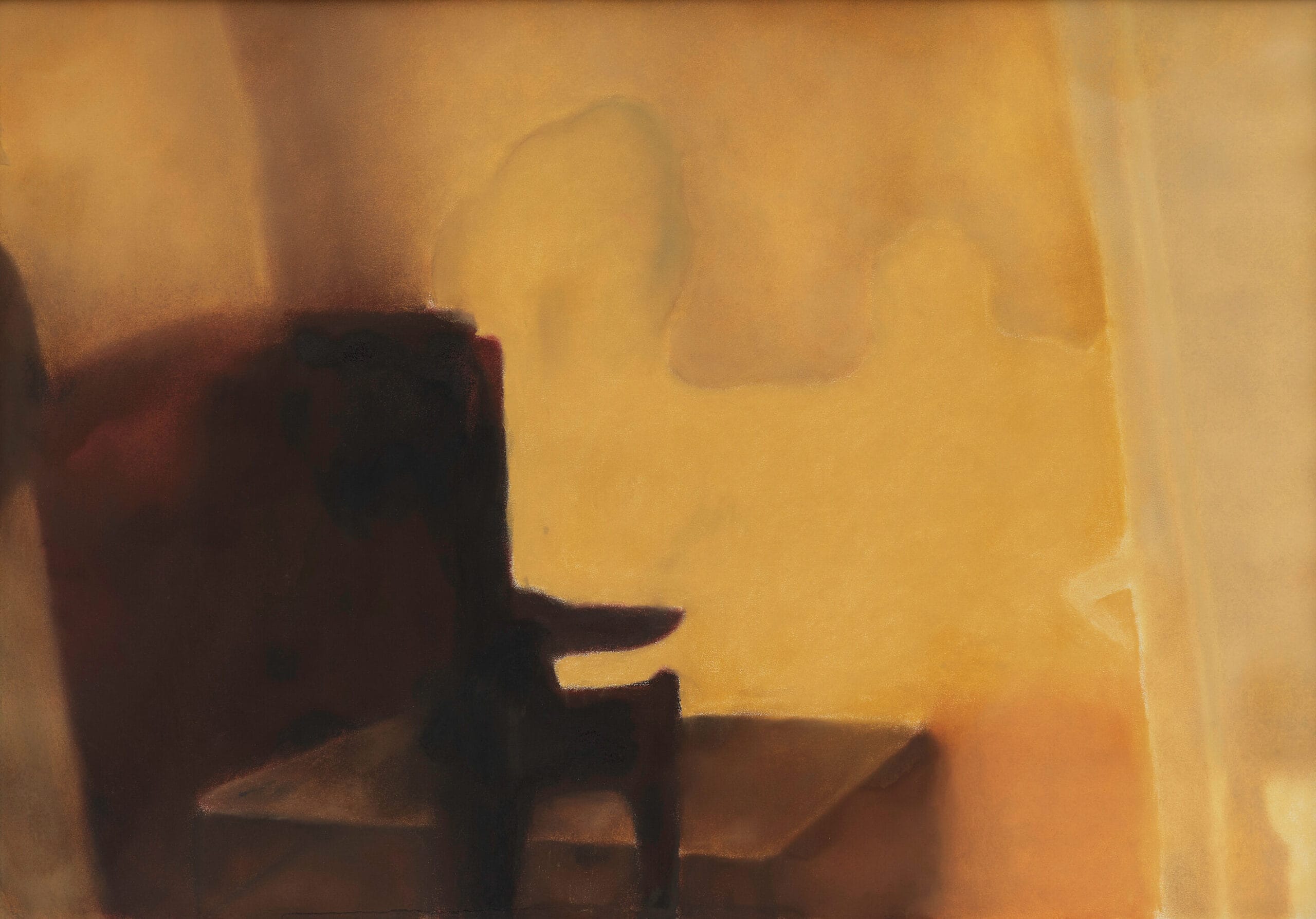

There’s a group, but they’re as indistinct as the faces of Jesus that regularly appear to people on slices of toast.
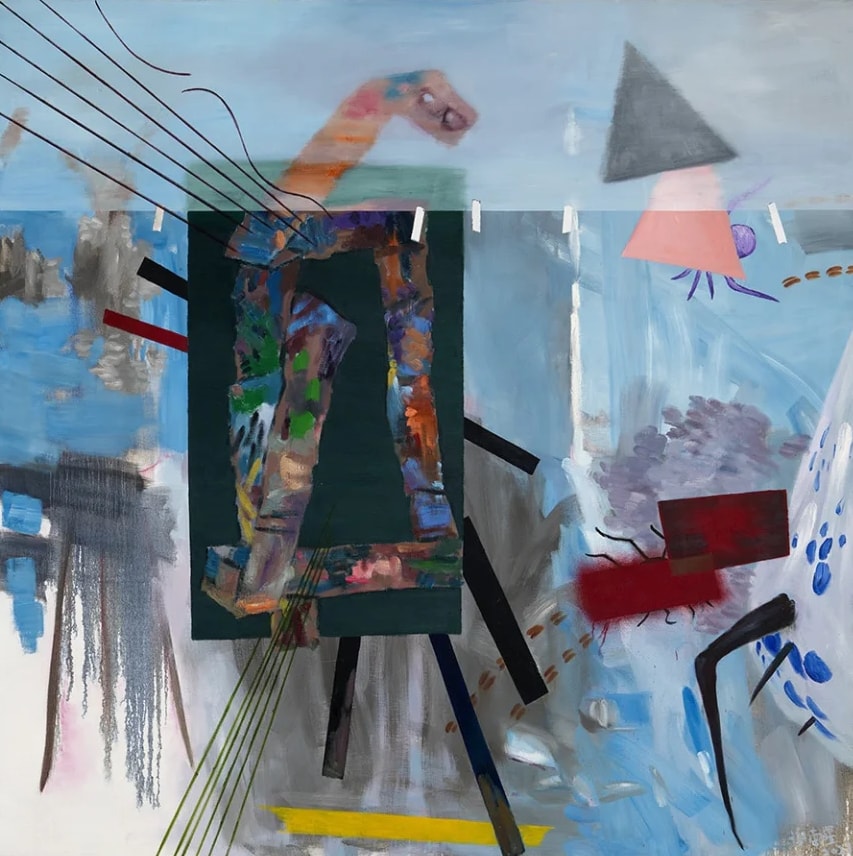

Looking at Xie’s portraits is a little like wearing a virtual reality headset over only one eye.
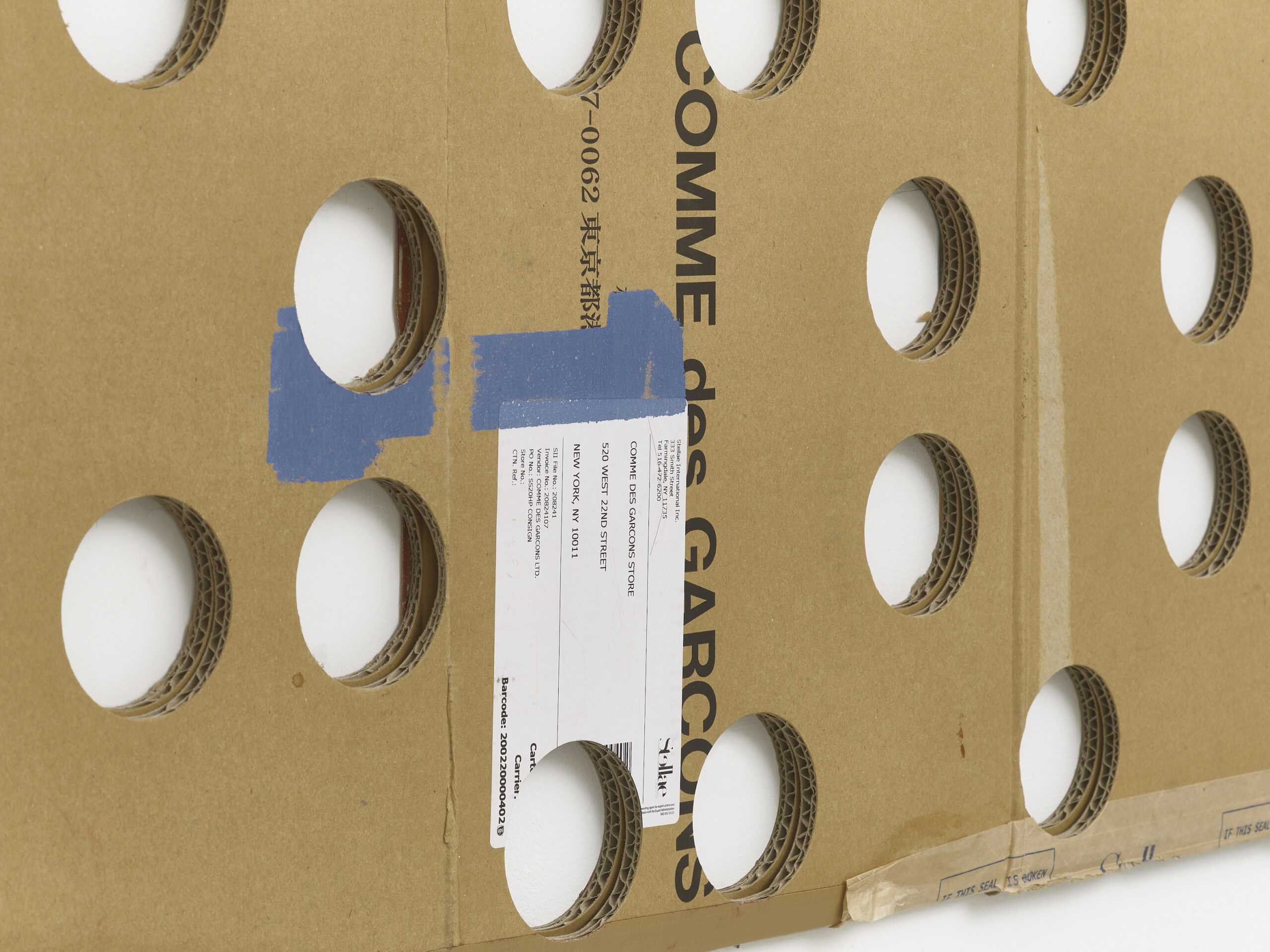

There’s little for the eye to hang on and none of the punk culture of Relph’s earlier practice emerges from the works.


A twee aesthetics native to a grandmother’s mantlepiece collection of tourist souvenirs and devotional figurines.


These images are perfectly charming even to a viewer possessed of a cold anthropological eye. The troubling part is in realising just how far ‘outside’ the ideas are.
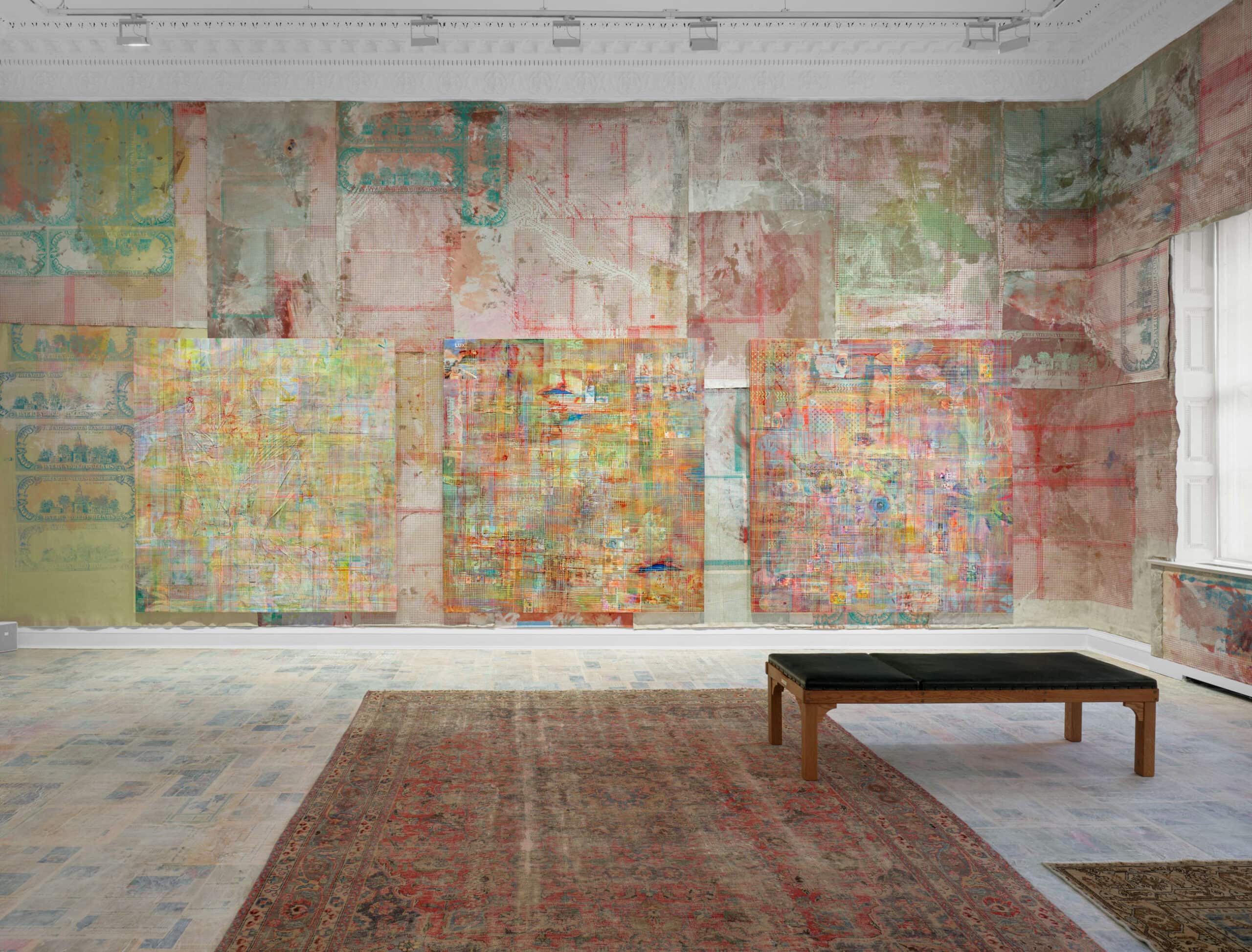

For the abundance of material, there simply aren’t enough ideas in the exhibition to go around these Mayfair interiors.


Privacy Overview
This website uses cookies to improve your experience while you navigate through the website. Out of these cookies, the cookies that are categorized as necessary are stored on your browser as they are essential for the working of basic functionalities of the website. We also use third-party cookies that help us analyze and understand how you use this website. These cookies will be stored in your browser only with your consent. You also have the option to opt-out of these cookies. But opting out of some of these cookies may have an effect on your browsing experience.
Powered by