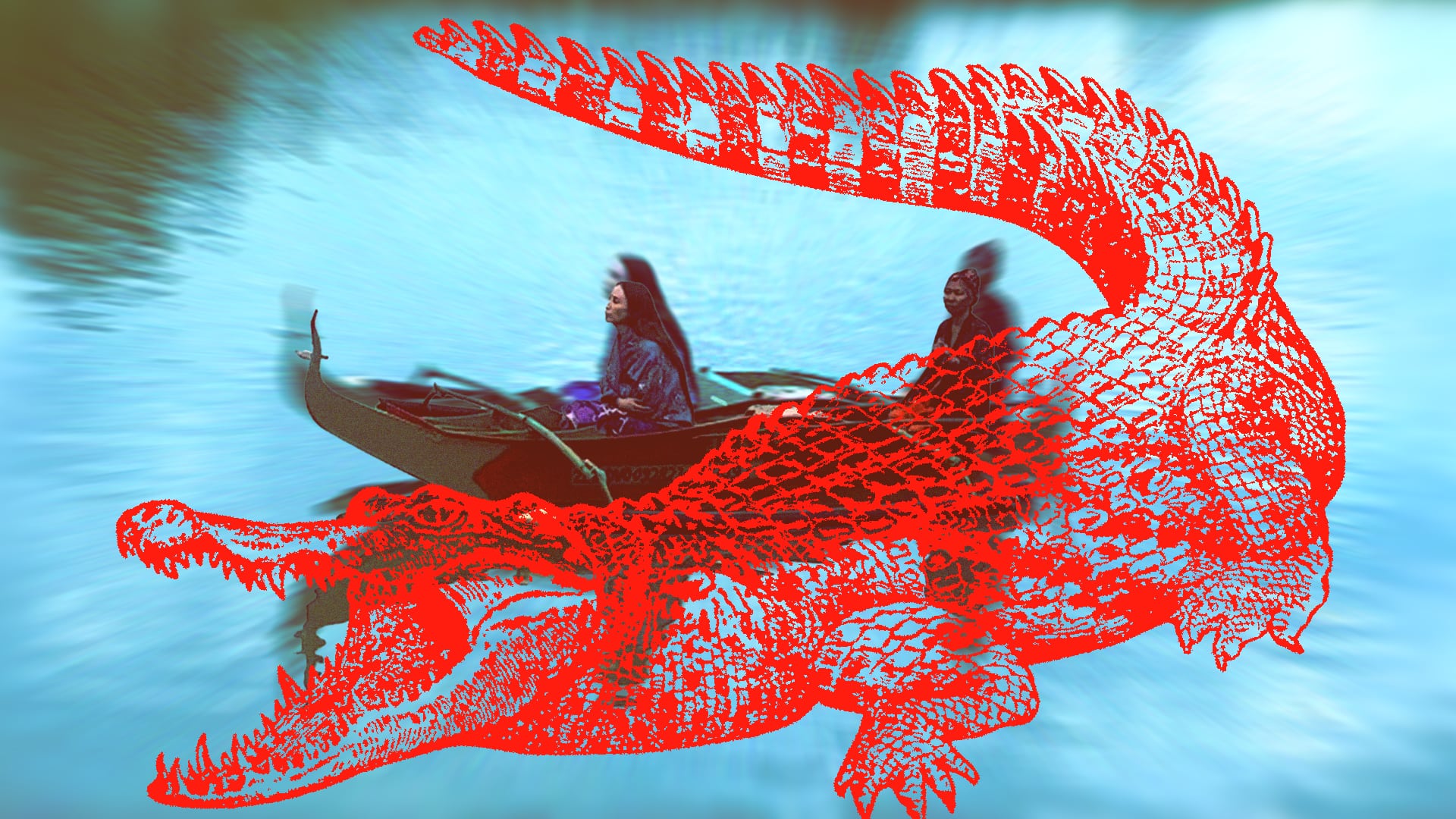
Such work was once a mere grift. Now, it is an outright stitch-up.
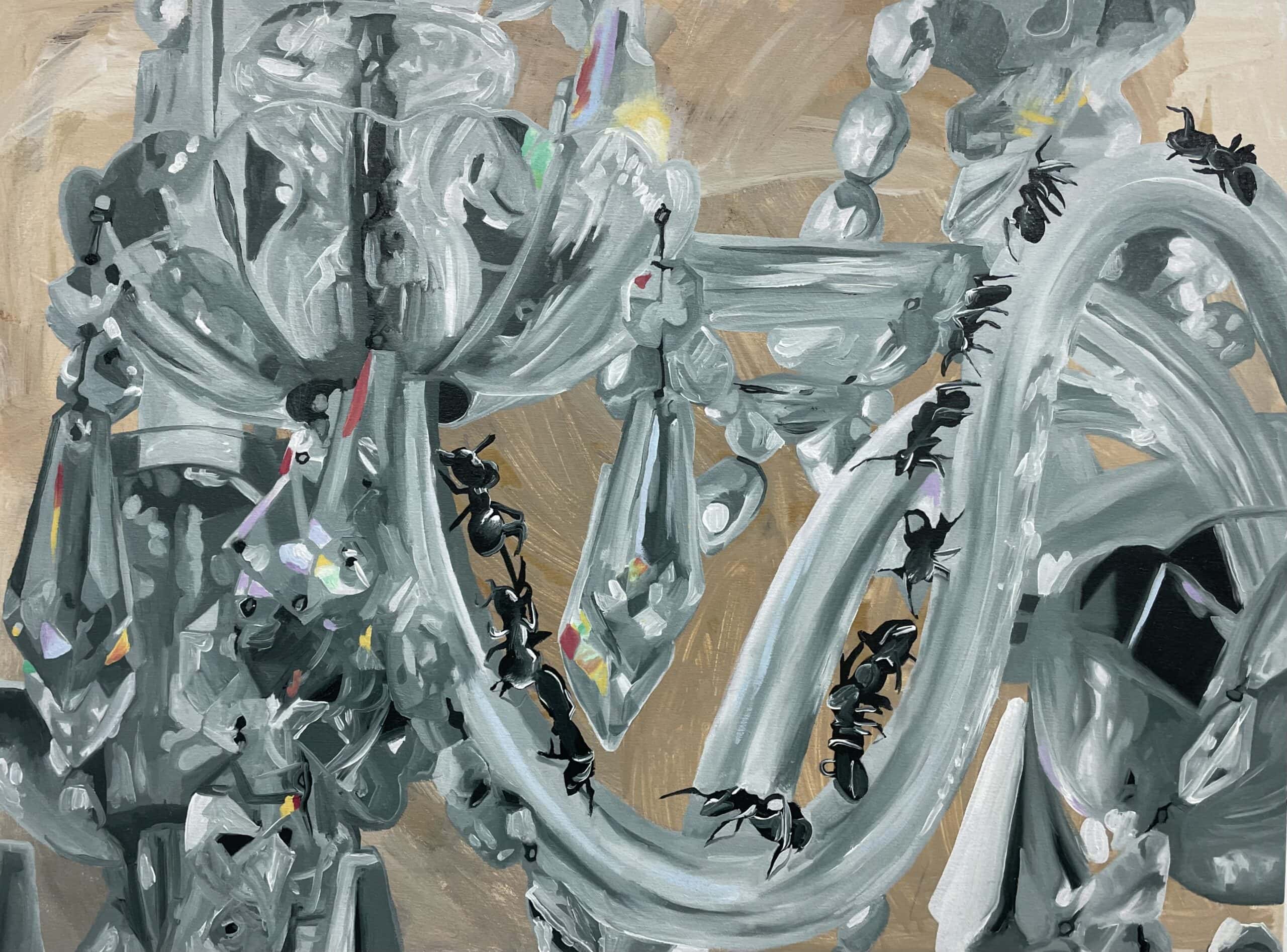

What’s left of the show are stage props that feed adolescent imaginations with false memories of the long-finished party.
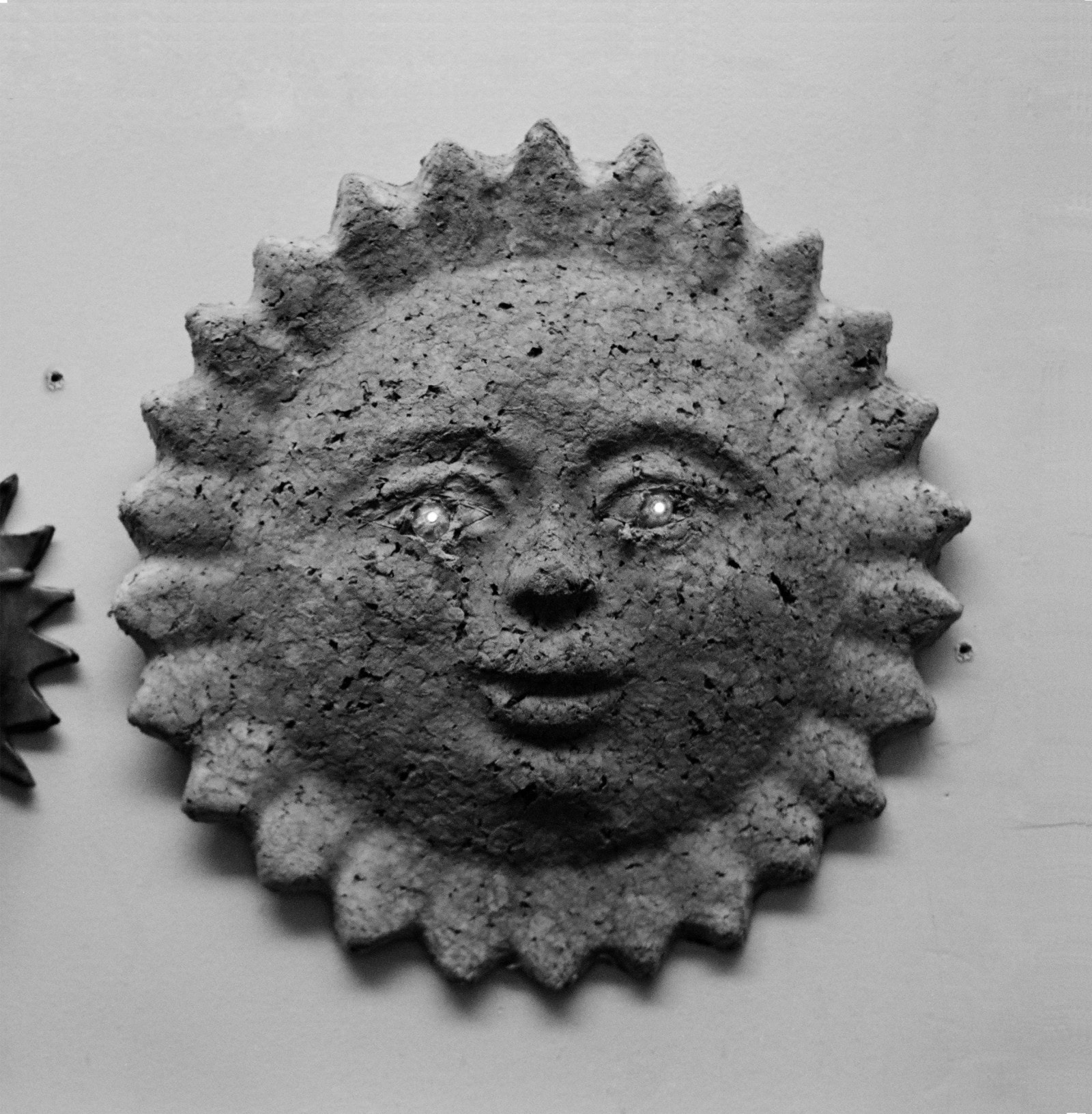

Such ‘80s nostalgia for meaning before history’s end is a comfort blanket.


These works are as garish as they are fun to look at.
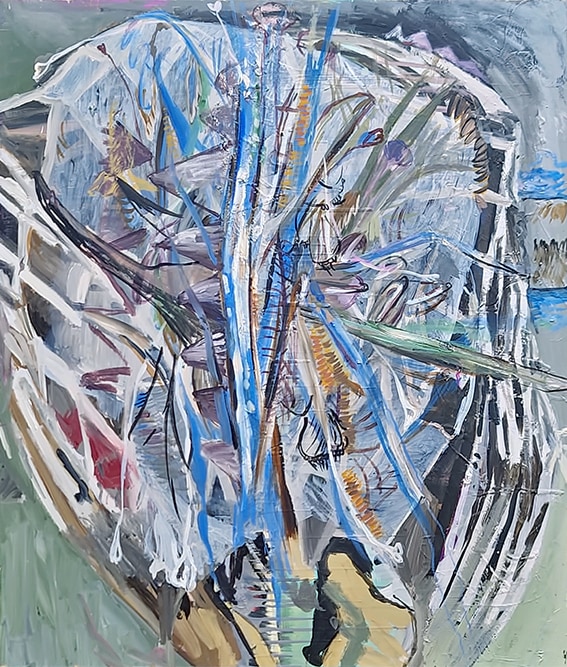

The carpet dealer gallerist’s zeal reveals the work’s lamentable inadequacy.
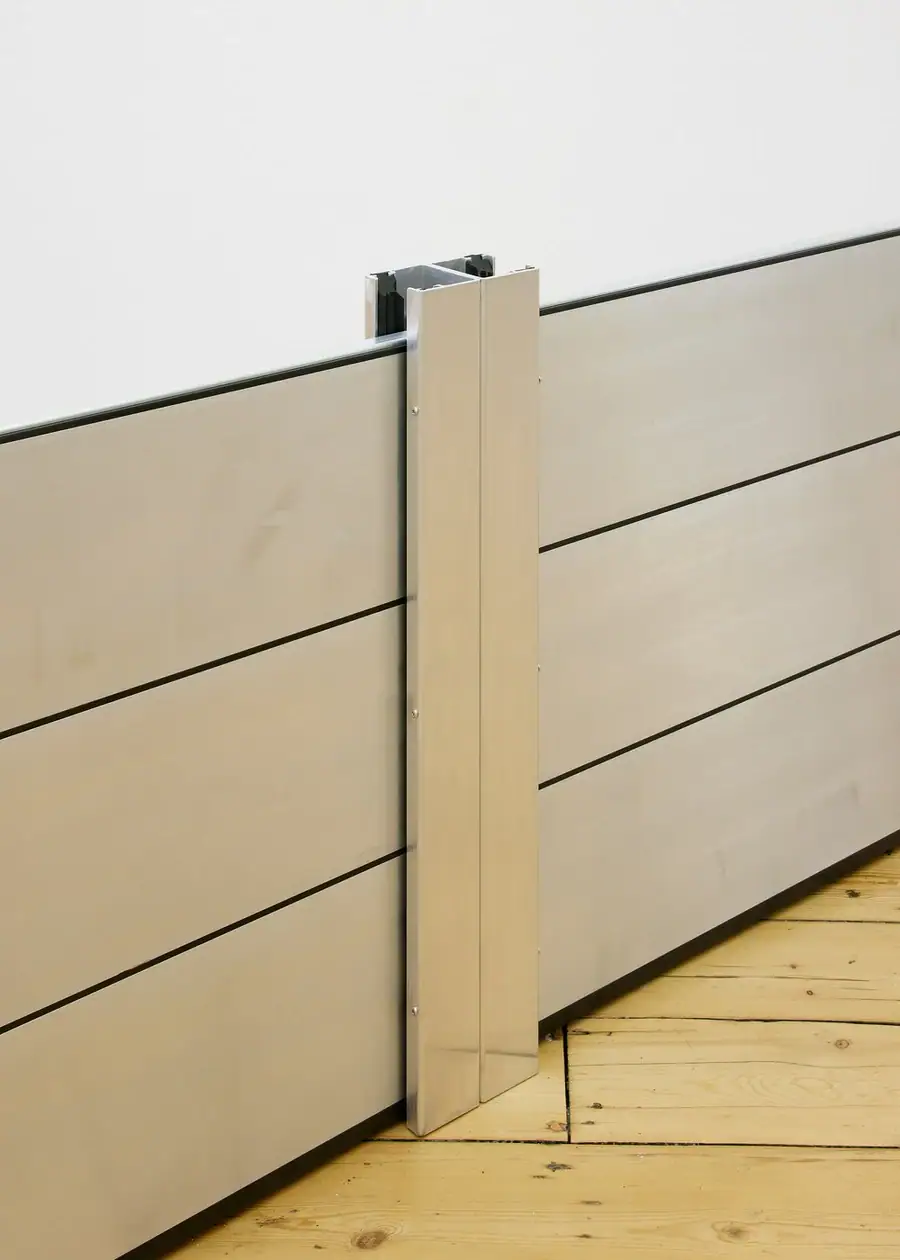

Aesthetic cognition or crossword puzzles only rarely bring such perverse pleasure.
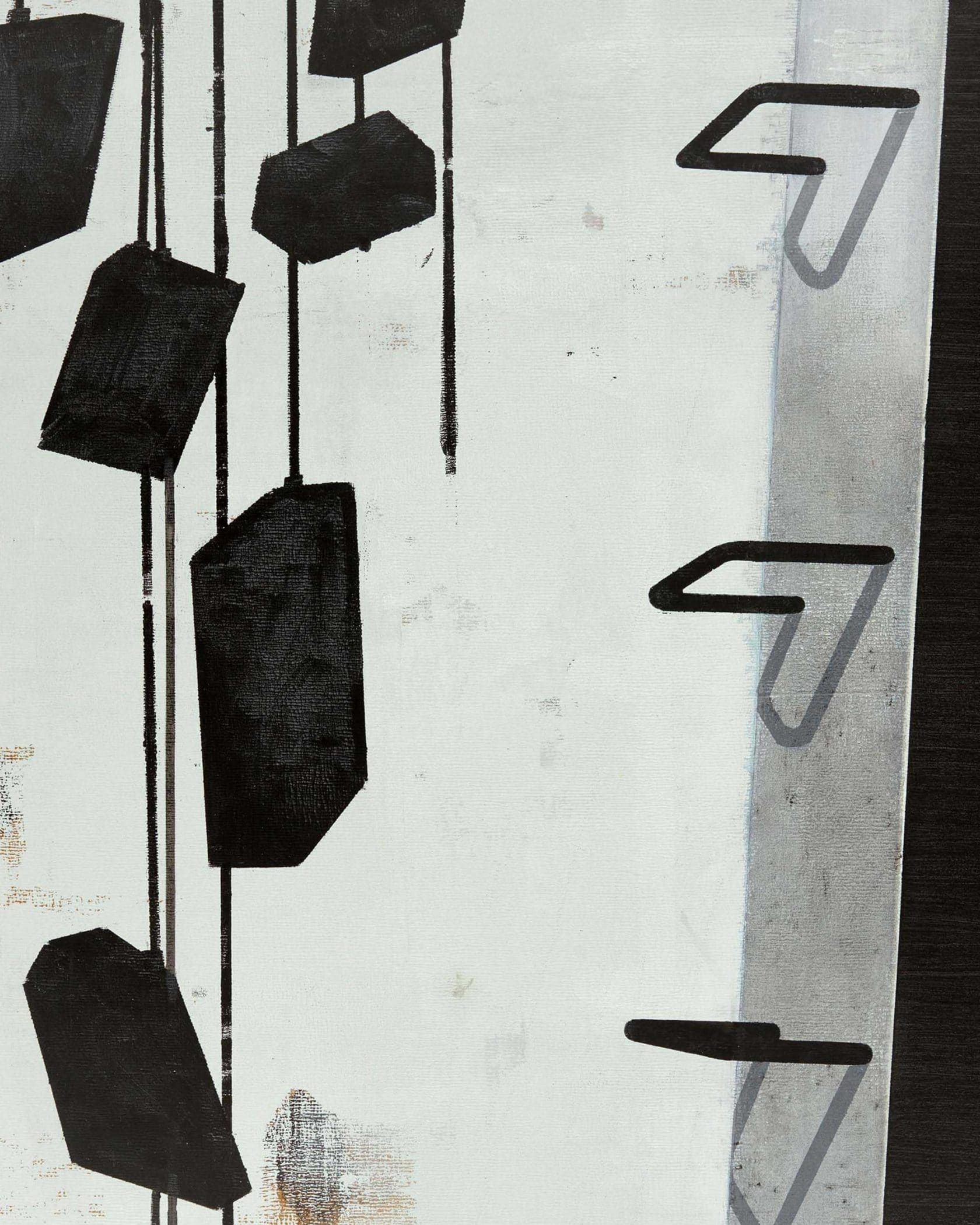

In this meditation of surface disguised as a study of objects, neither is a truer likeness of the events.
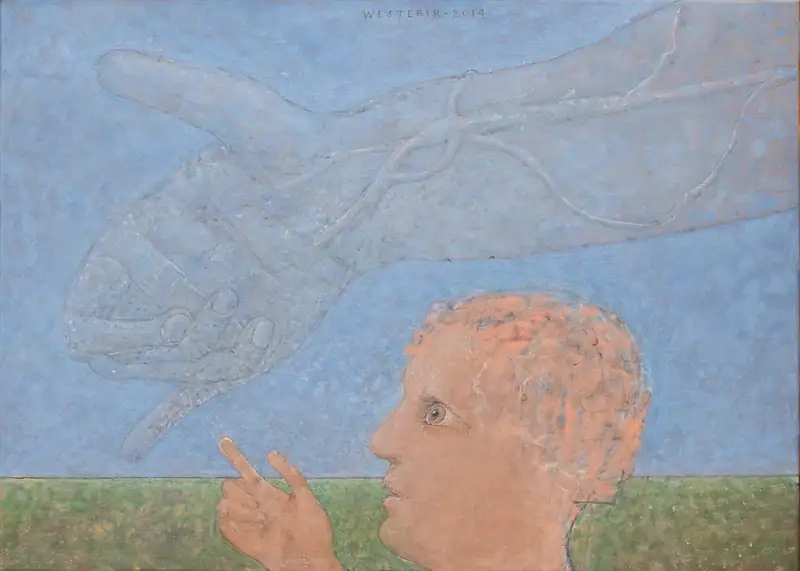

Westerik catches his figures in deep contemplation in front of the mirror, in the gynaecologist’s chair, or even mid-orgy.
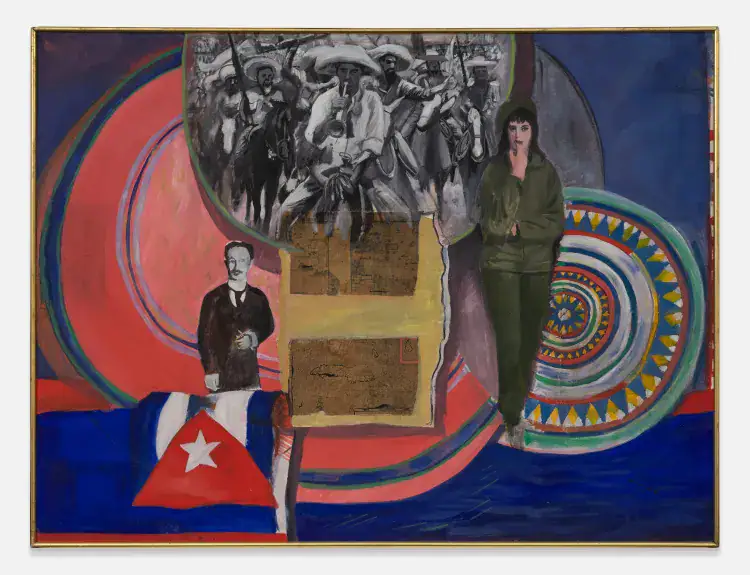

This exhibition mixes the woman and her legend, but without the air of mystery she enjoyed during her lifetime.
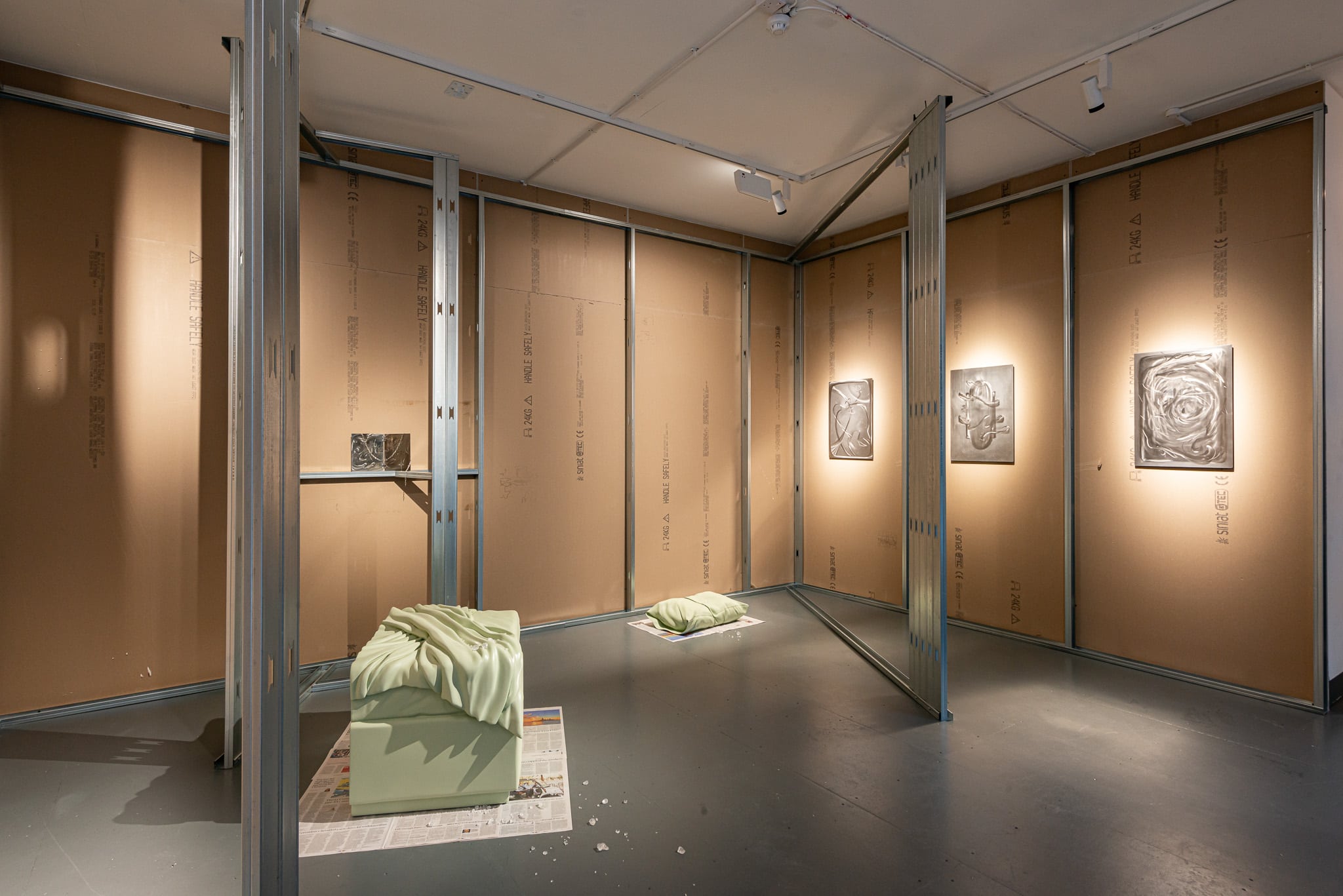

These works could bear witness to the birth of a star or the heat death of the universe. The curators don’t know which.


Aj Tjoe’s paintings could make great scenic backdrops to a David Attenborough documentary on the life of wild rodents


This project lands in the joke section of Animal Farm and not as a prophecy of the Jan 6th insurrection.
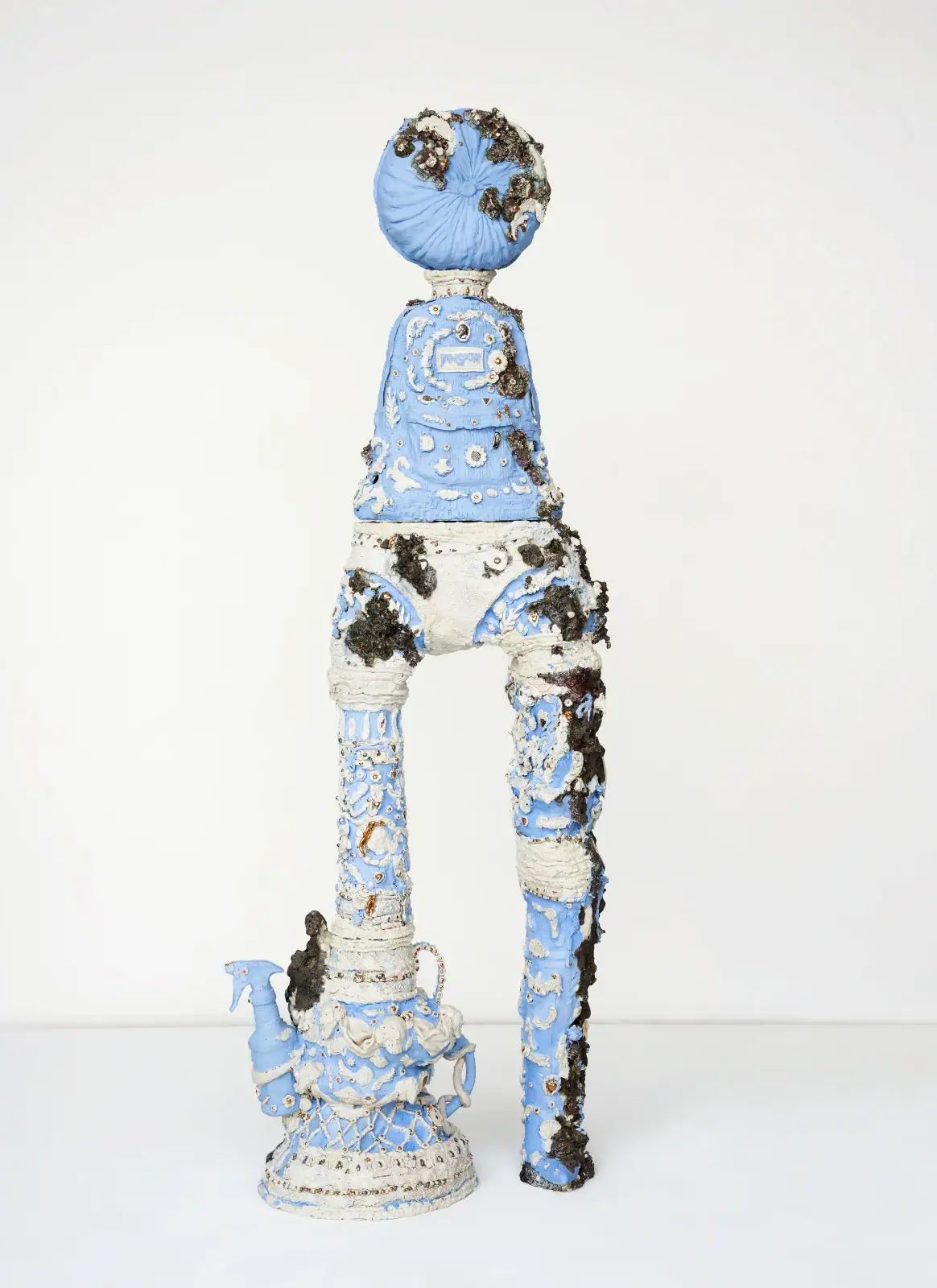

In DiMattio’s giant ceramics kiln, everyday motifs like sneakers and knickers clash into the ornate Rococo stove and the Victorian China snuff box.
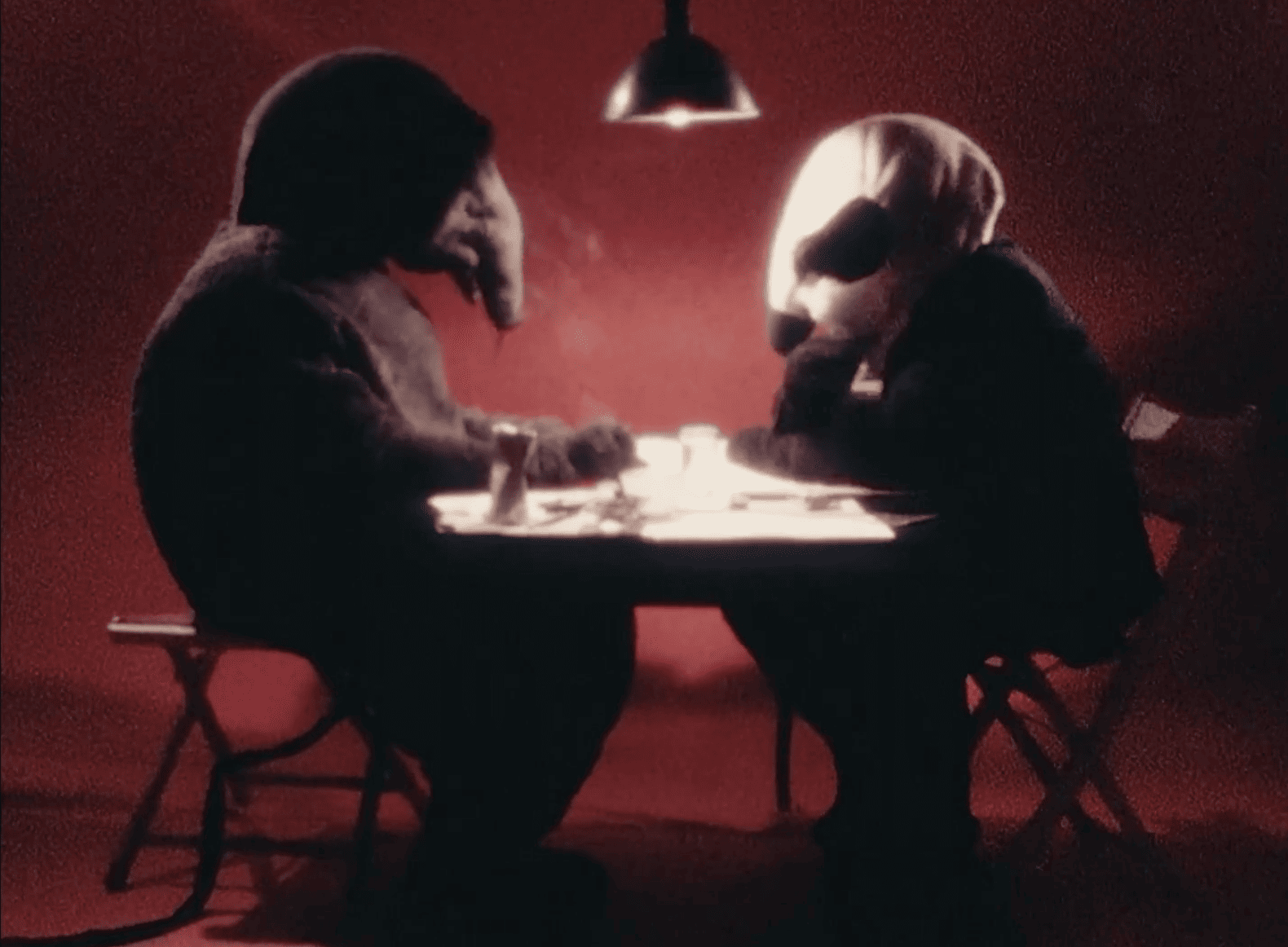

A police procedural turns into a drinking game of Foucauldian power analysis.
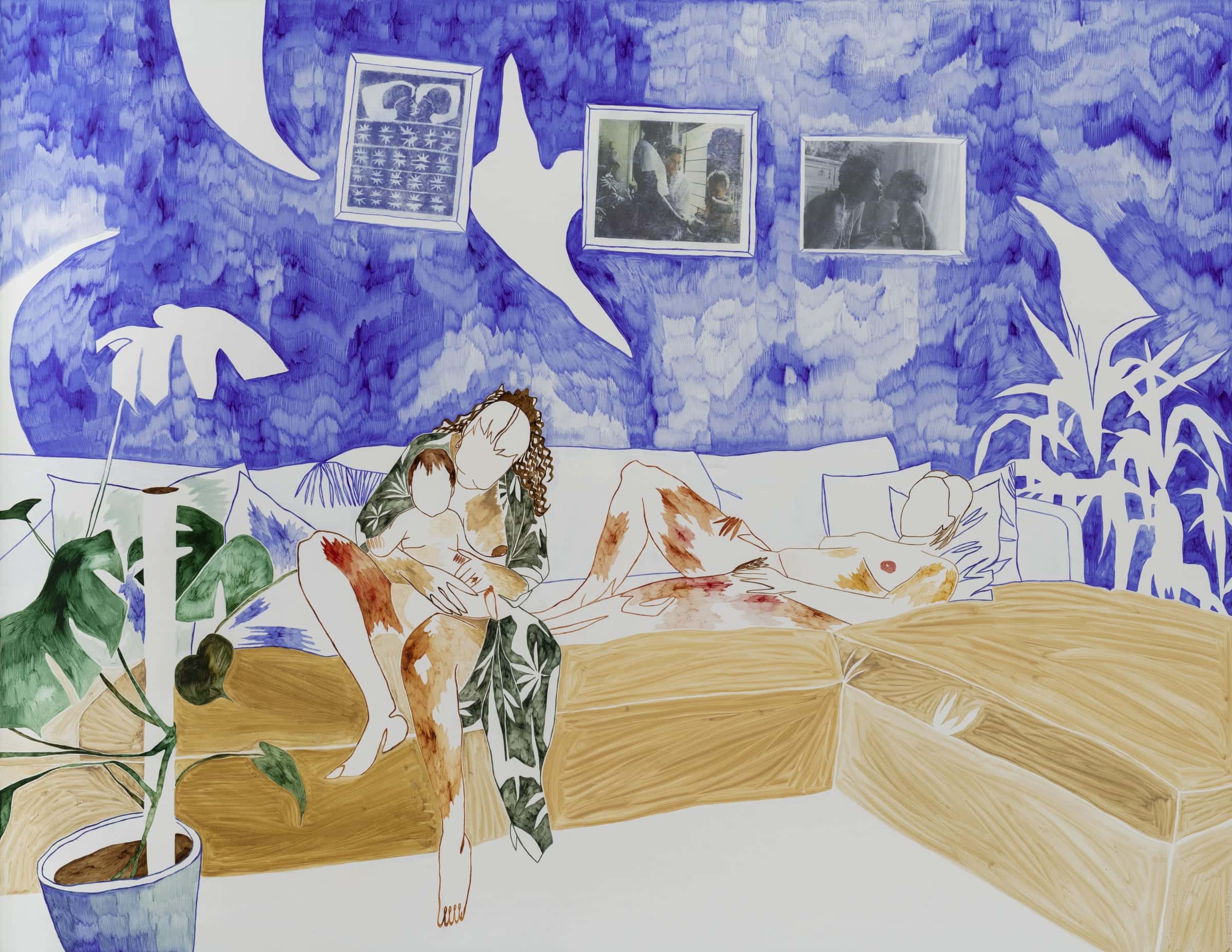

Forrester’s project is timely when foundational concepts like ‘mother’ and their ‘as-though’ counterparts are readily confused.
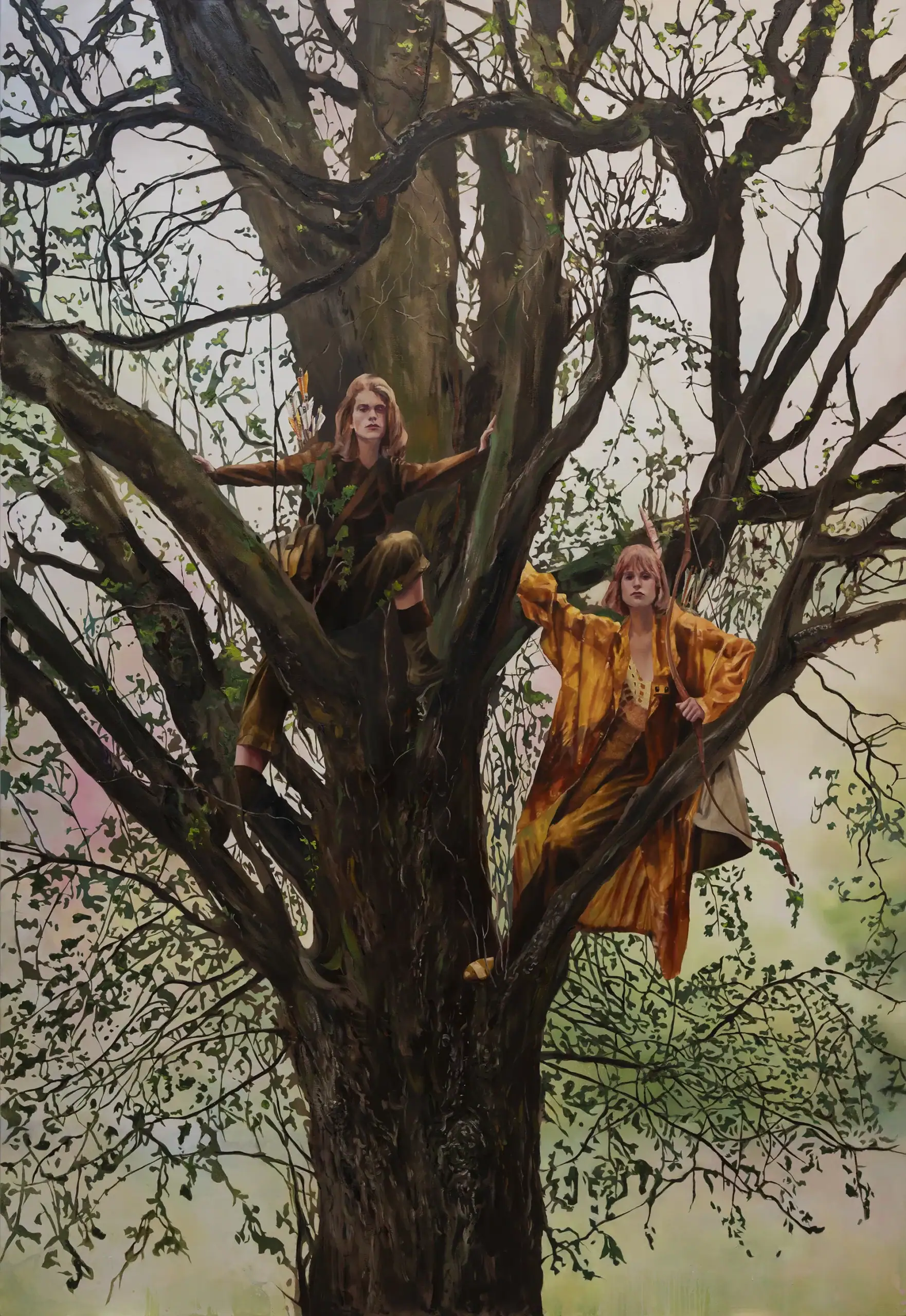

It should be within the resources of Pace and Olowska’s experience to advance her legend beyond the discretely marketable.


Who opens a space in Fitzrovia only to fill it with such drivel?
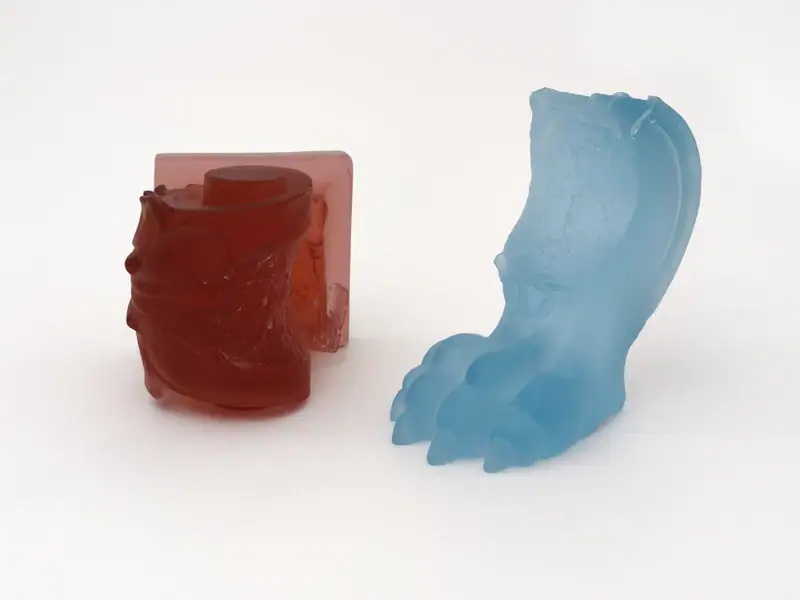

This is a poor man’s version of history or a philistine collector’s absolution.


One can only imagine that some unconscious loathing of postmen motivated this project.
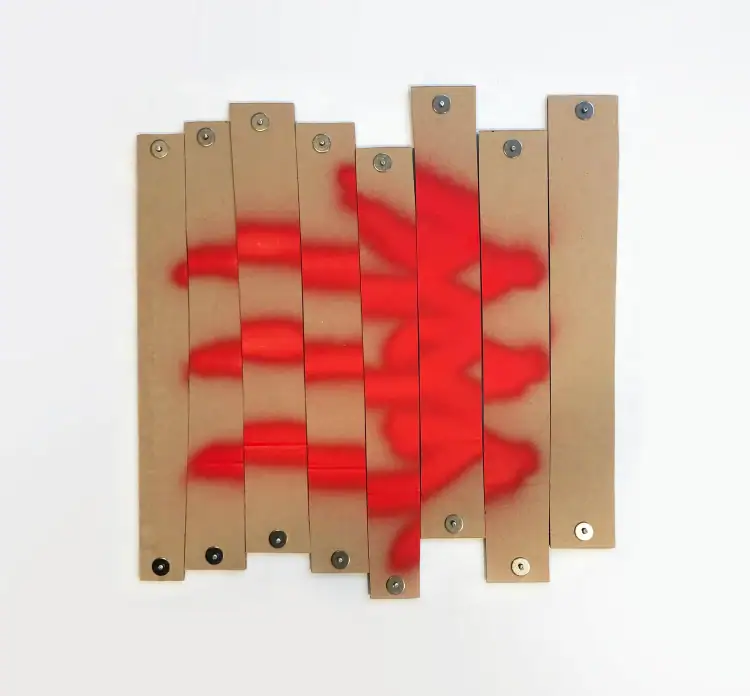

Conanico’s slight structures look like they could take flight at any moment.
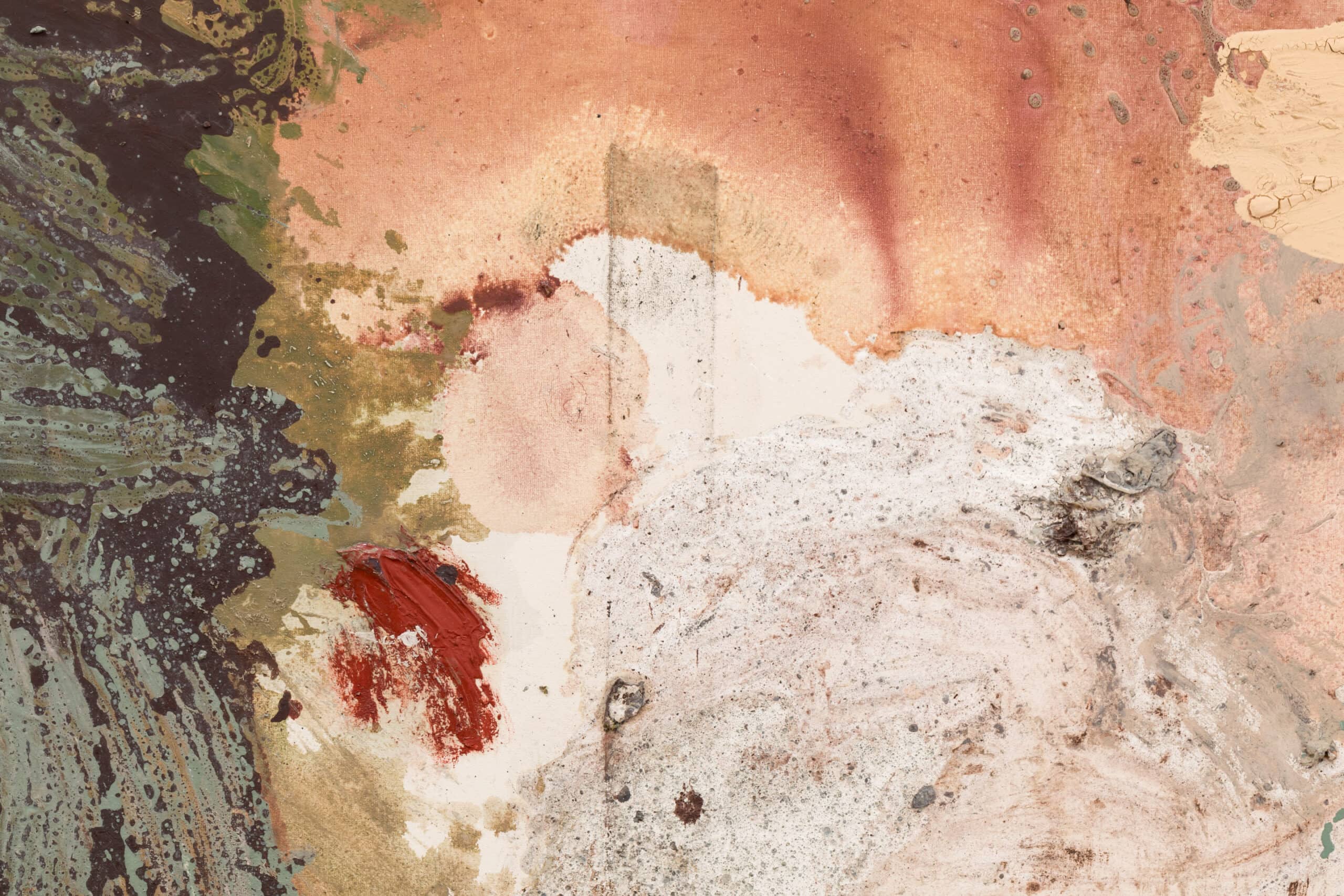

In this game of aesthetic cognition, the idea which survives is of the artist thinking.


There’s no dignity in paint when the arc of art history tends to “show hole”.


This invites a game of proofreading, in hope that Amer maliciously inserted a greengrocer’s apostrophe into de Beauvoir’s mind.
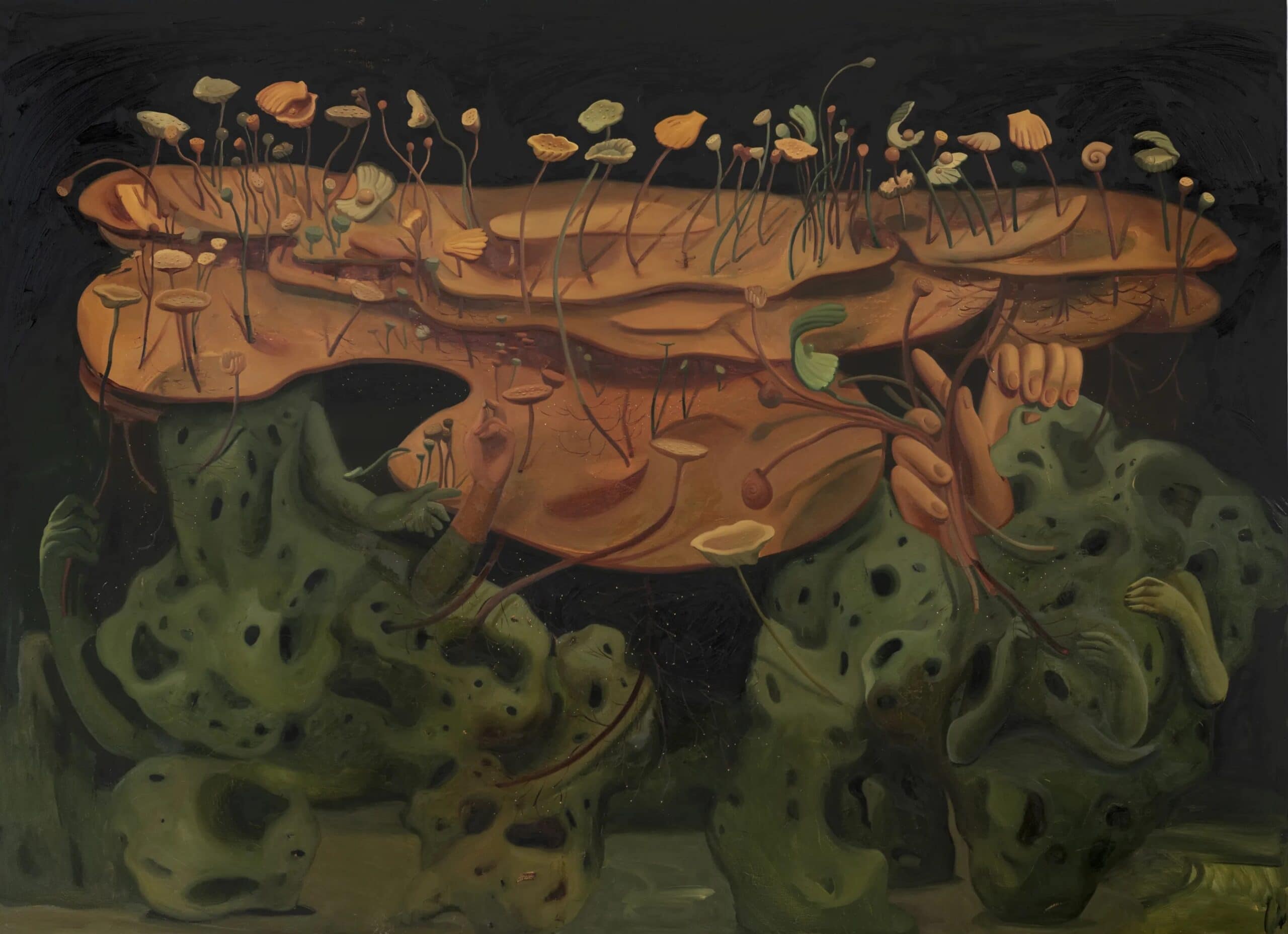

All this tries to be macabre and surreal like in Bosch or Miyazaki but is instead laughably twee.


This show would be better without the baggage of the artist’s personal story and even better without the Twin Towers altogether.
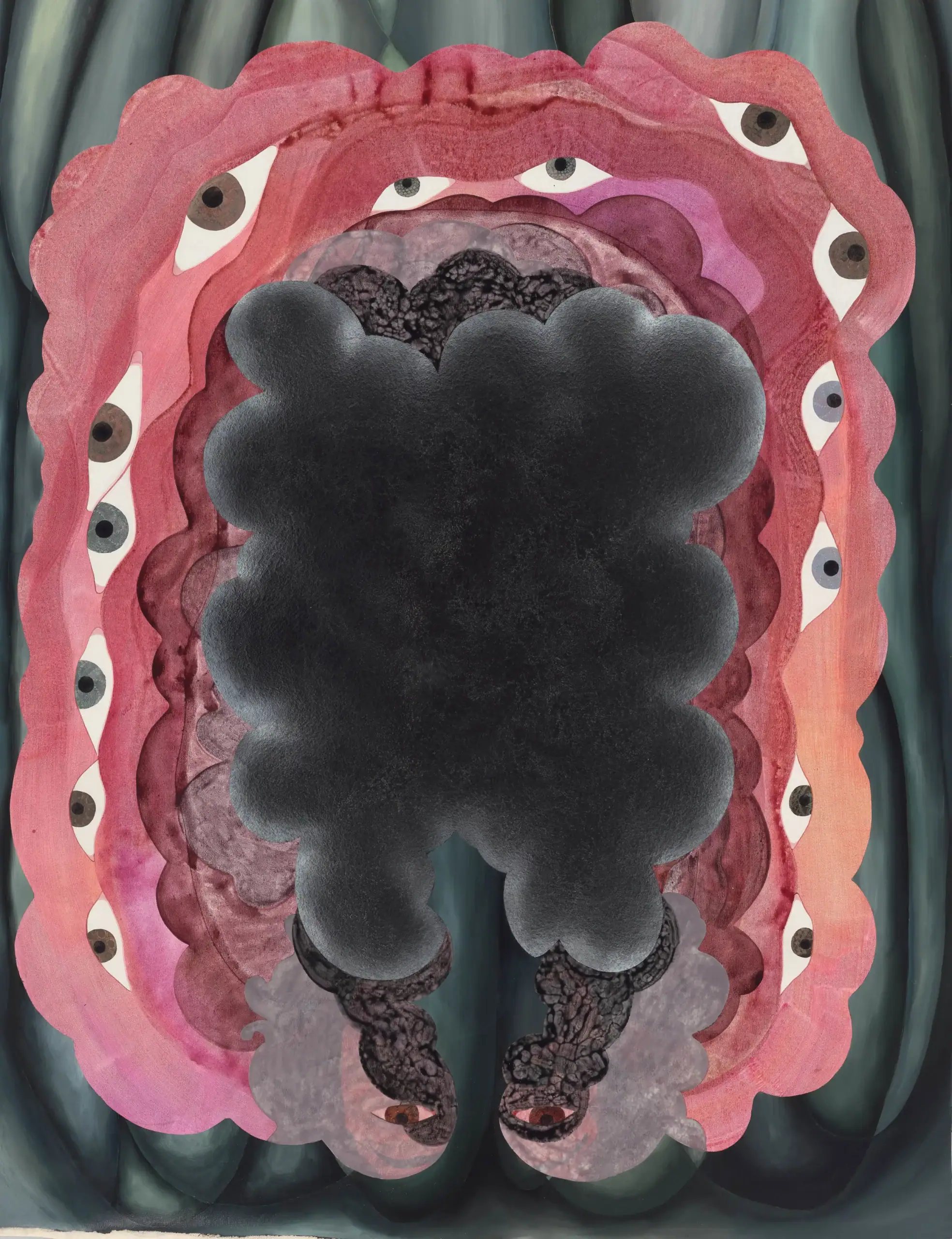

This is the work of a mind that, having needlessly spent years in therapy, became hooked on ennui or of an artist who wasted time misreading Lacan.

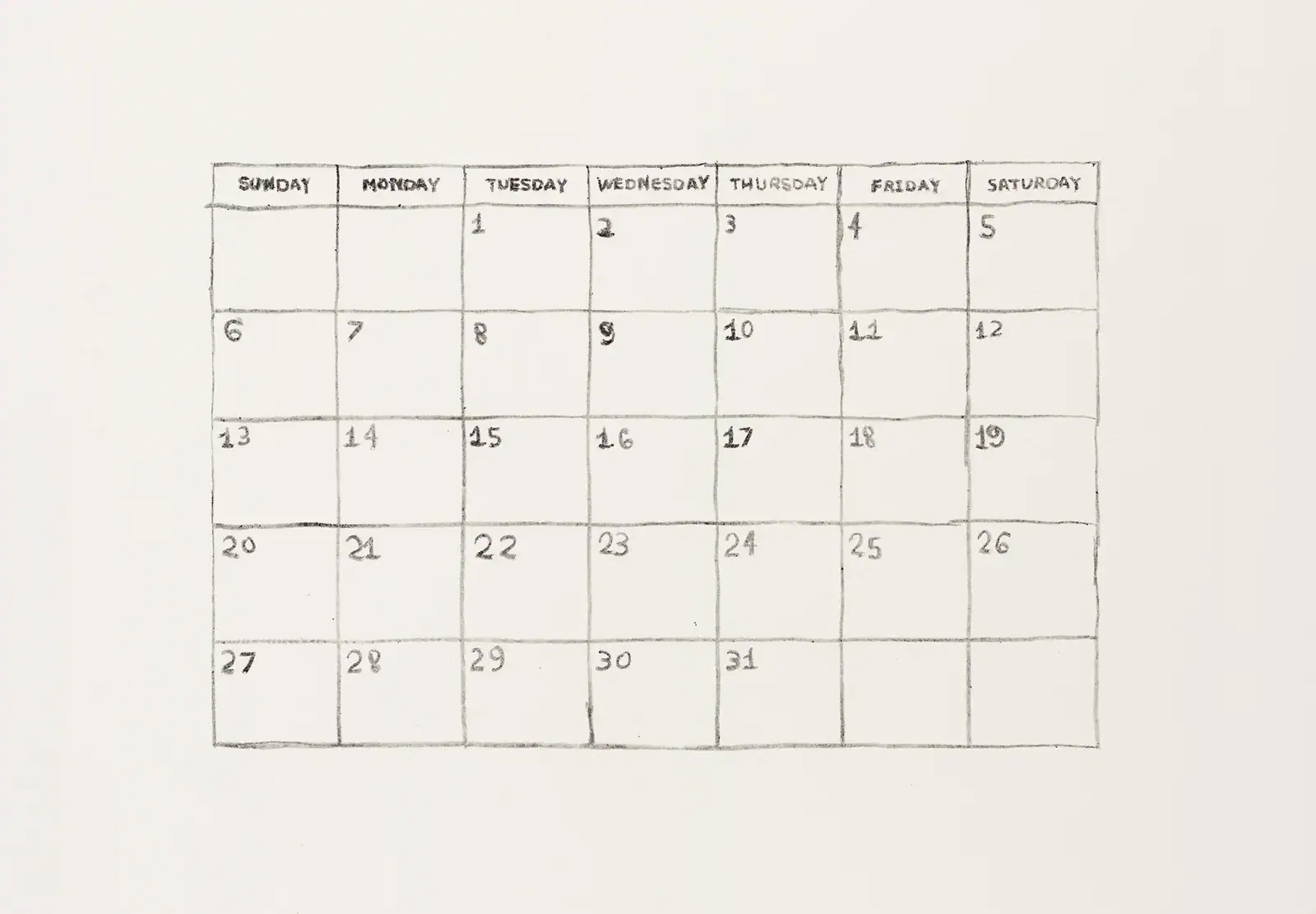
Close up, Petersen’s innocents today conjure ideas of redneck resistance. At scale, of state-marketed utopia. The middle ground is envy.

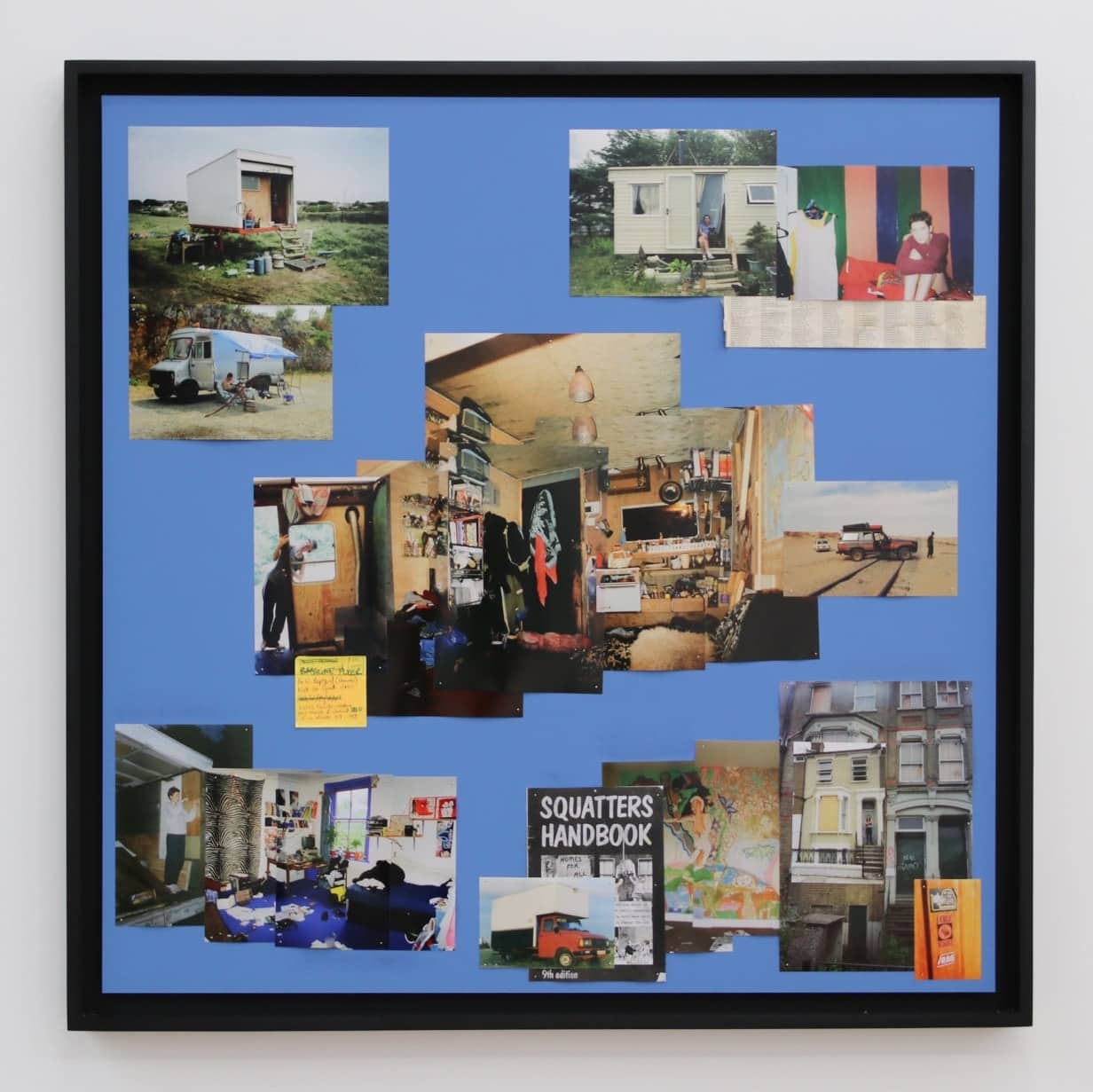
This exhibitions is trying to explain the concept of ‘crazy paving’ to a blind man. It’s impossible to tell where a work ends and the wall begins.


Cosmos wants to redefine STEM as the alliance of science, theosophy, engineering, and myth.
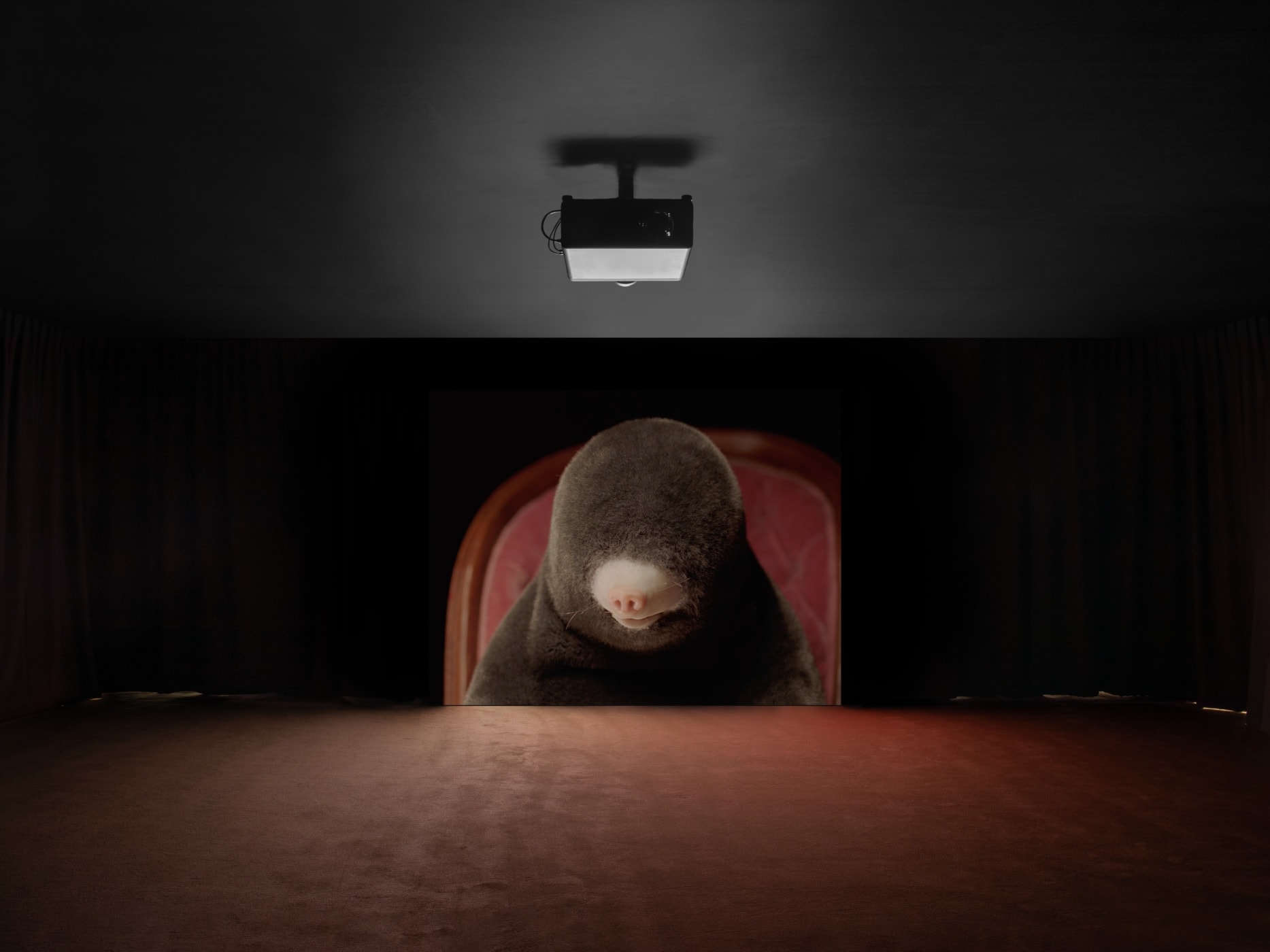

Idle work became indistinguishable from leisure, vegetative time-passing from family life.
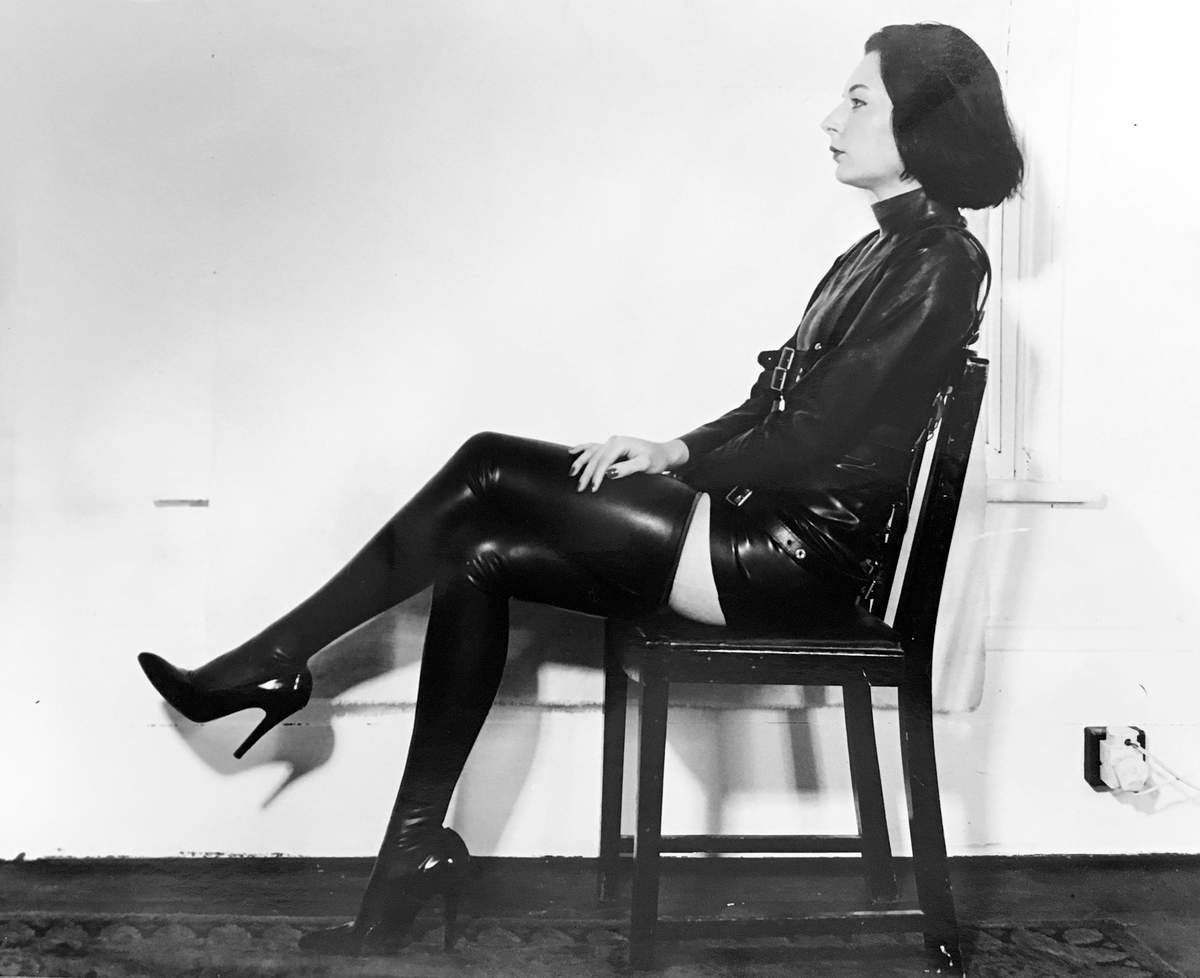

There’s a room for female labour, a corner for childbirth, one for black women, and a section for lesbians. This is as close to nuance as Tate gets today.


The reward for taking part in this experiment of life is ascension to the holy orders.
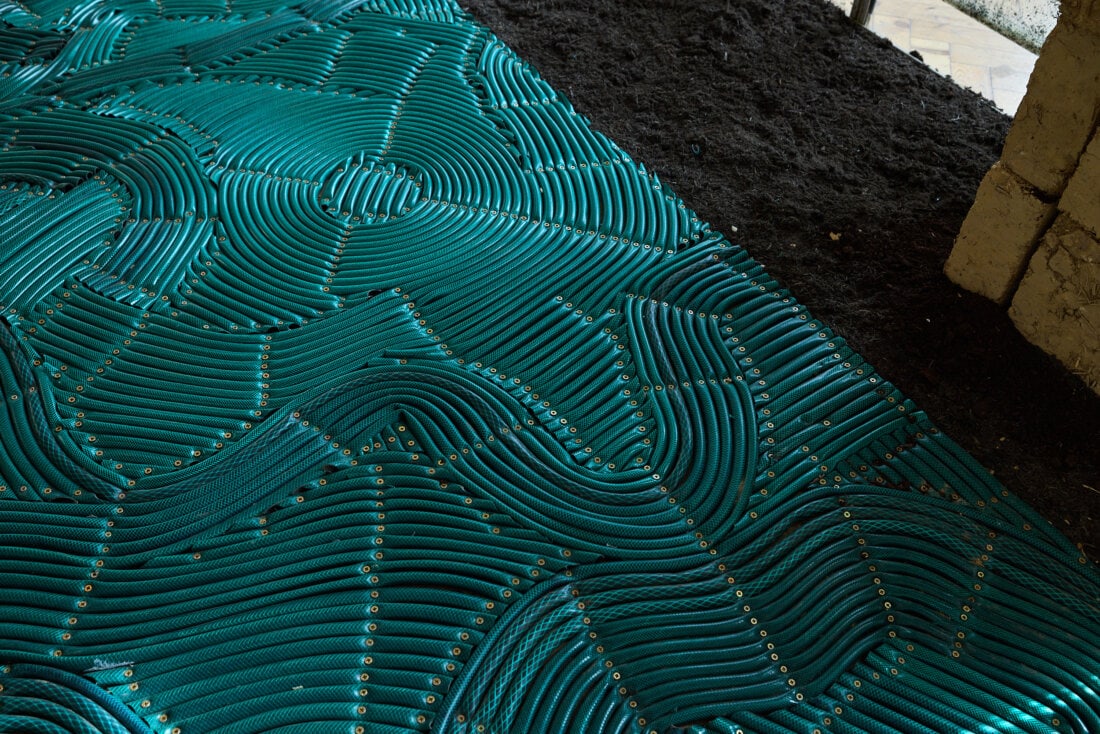

The whole thing feels like a remake of Wind in the Willows directed by a garden gnome.


The clues that Glantz leaves on her surfaces are also traps. There are either too many or not quite enough to follow or fall into.
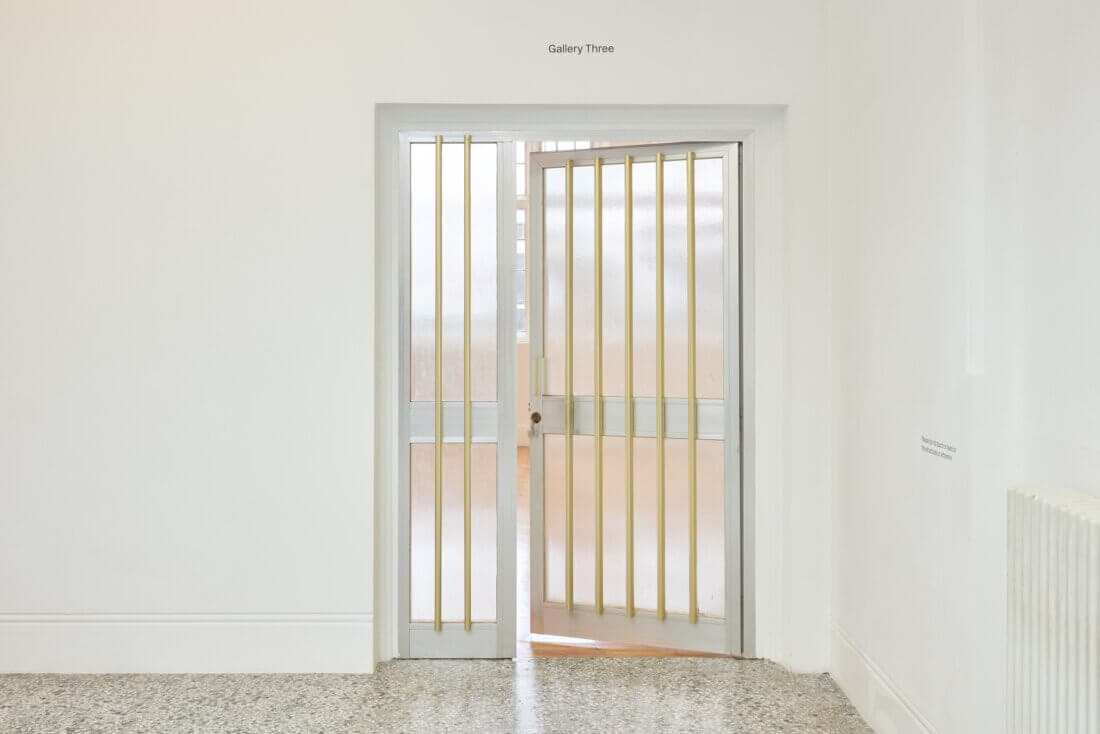
There’s an unfortunate ‘emerging artist’ vibe to this handful of readymade sculptures.


There is no answer in the work. Its cause and the object become enmeshed in a bland, exoticized mess.
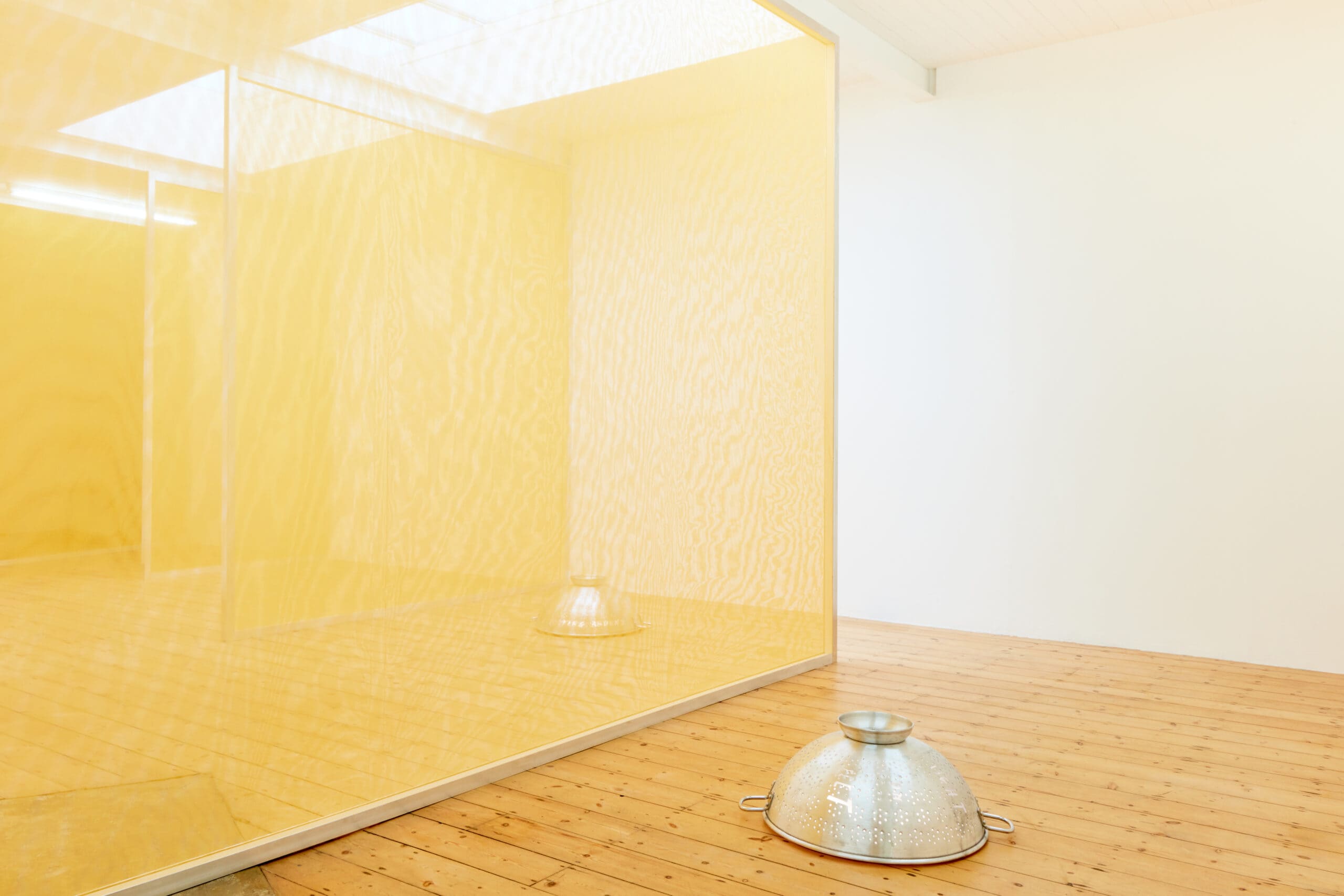
Having forgotten what the ‘dramatic’ in art stands for, visual artists today too often mistake hacked theory for stage directions.


Rot overpowered this subject and came for the object next.
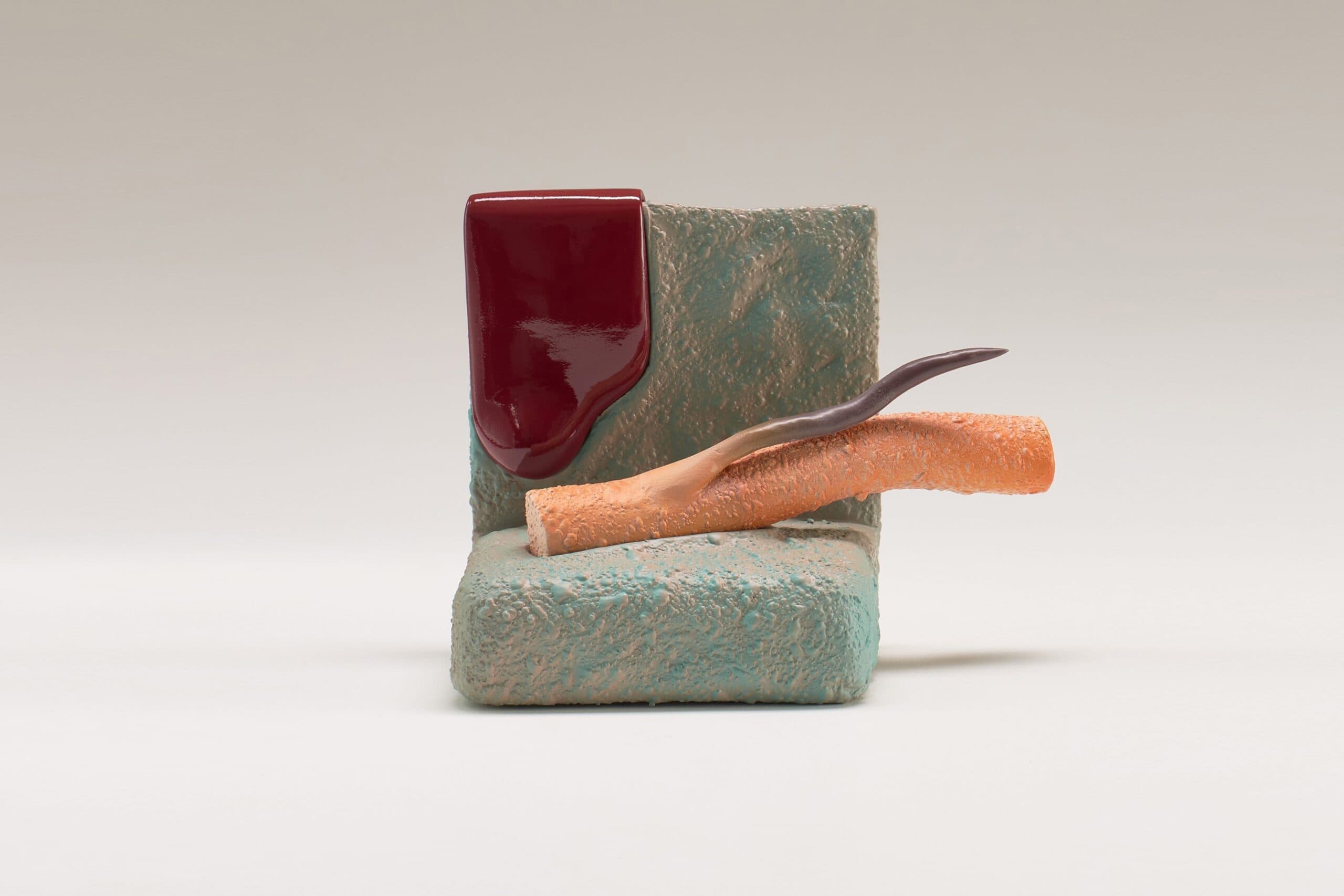
Less is more, as the saying goes. Nagle’s porcelain and resin maquettes are the bare minimum.
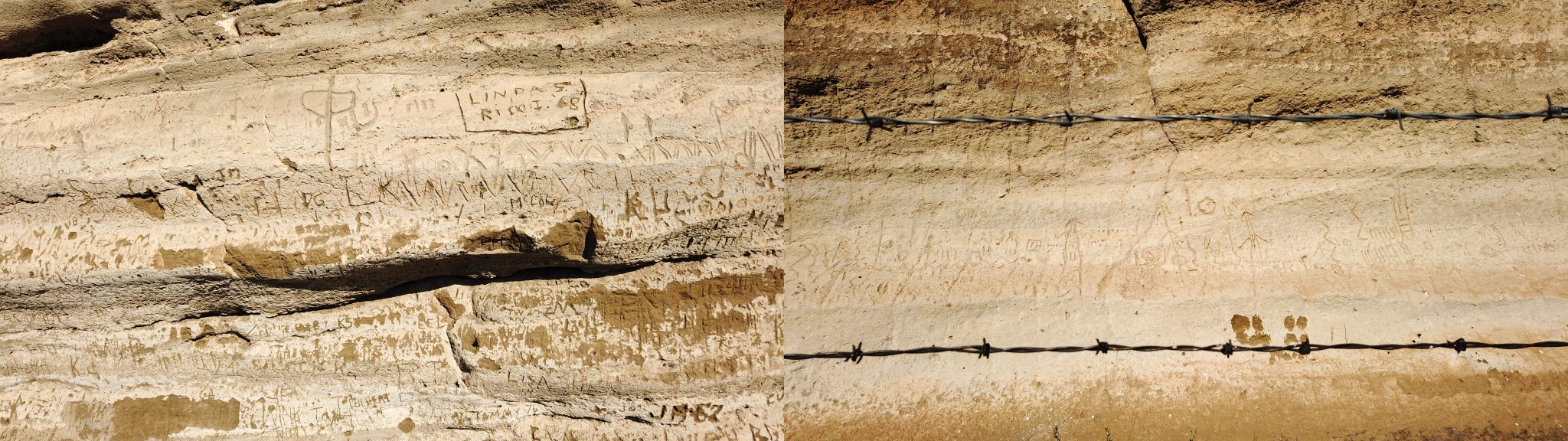

The artist must choose which ground is best ceded.
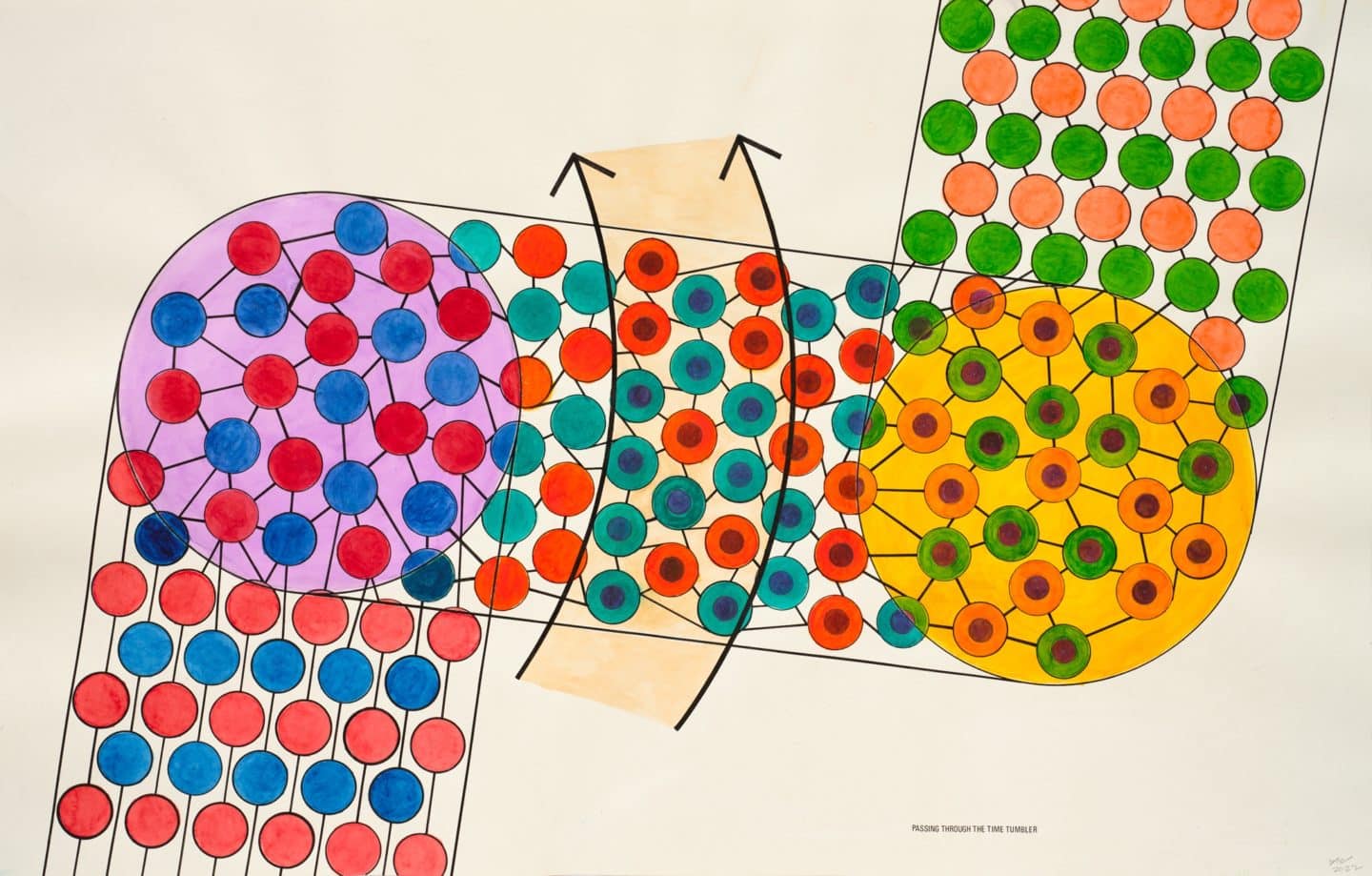

Willats orders fragments of time, matter, and space into data packets on one side of the flow chart and puts them to use on the other.
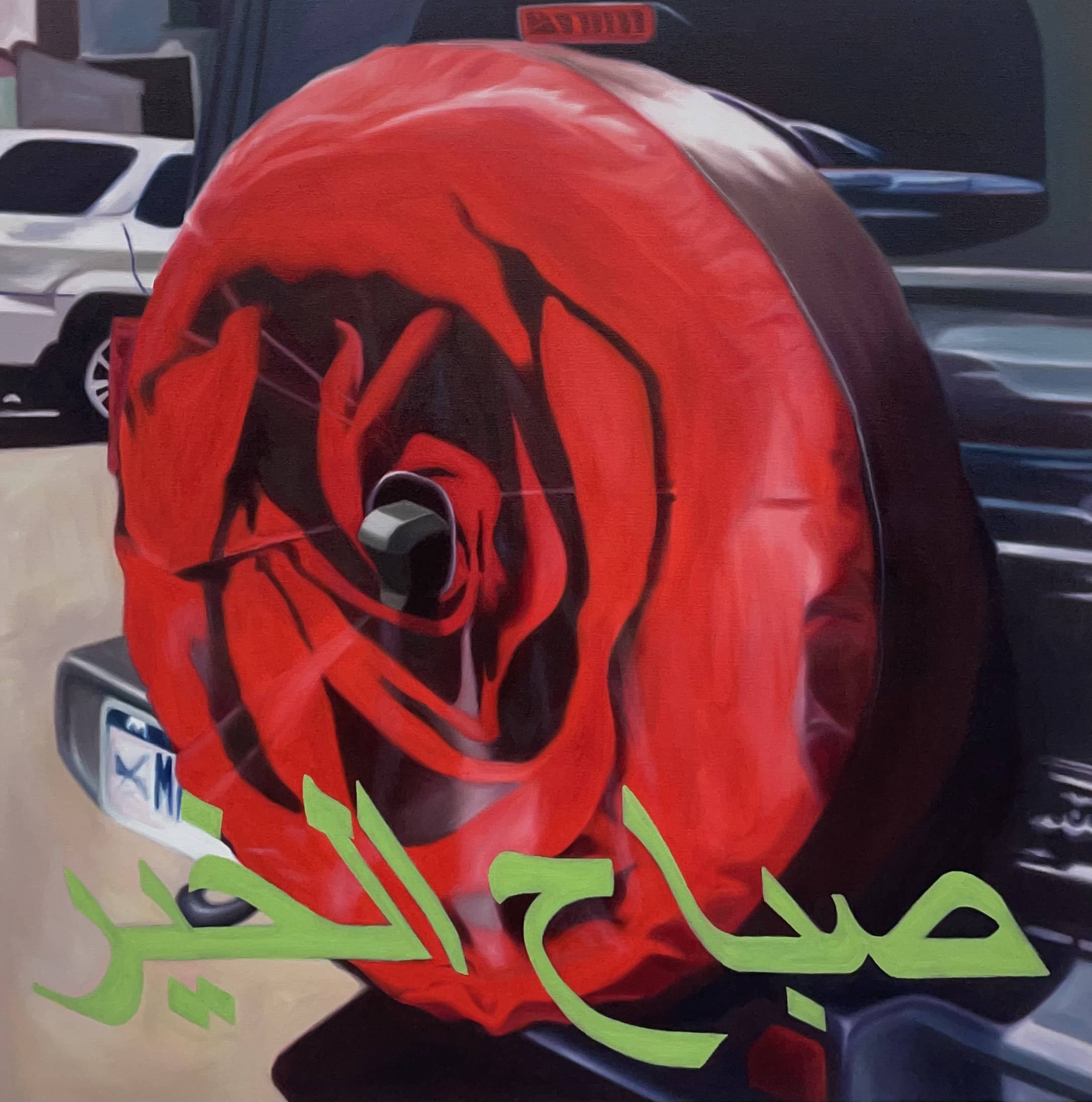

Meaning parts with the image in this exhibition, never to return. Post-structuralism triumphs.
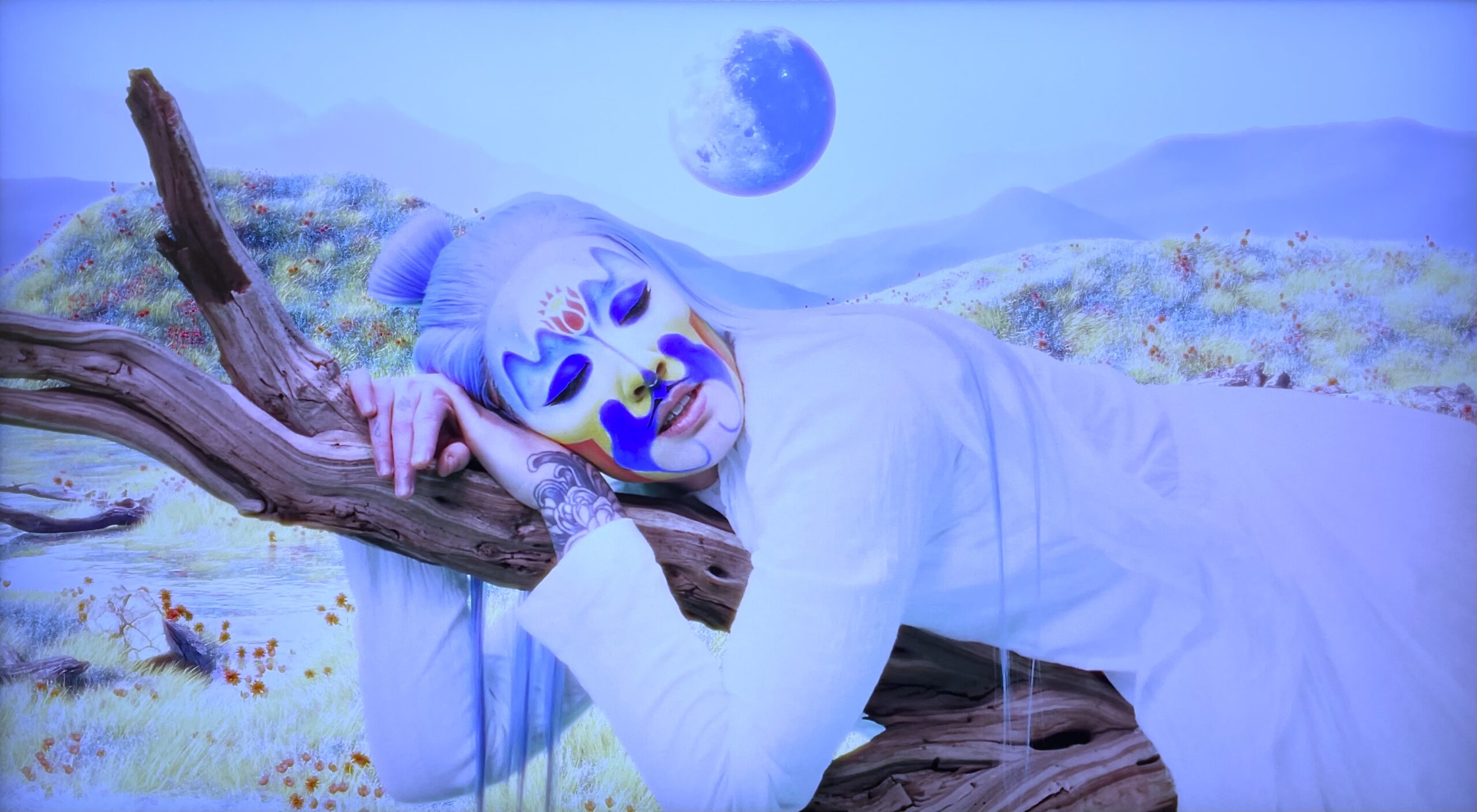

This exhibition combines the most vulgar of all art school tropes: juvenile narcissism, NFT kitsch, and mindless referentialism.
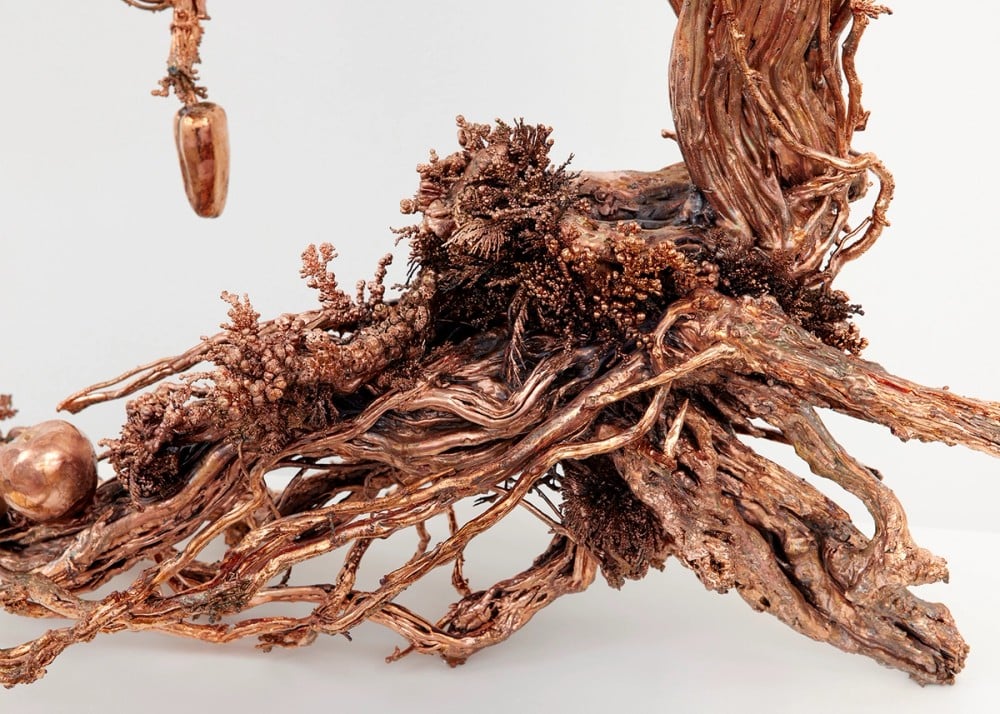

Mad Max meets Waterworld in a crossover sequel conceived by a film studio’s marketing department.


Bronstein falls into the late evening stupor of the cheese trolley, the oyster tray, and… the Mars bar.
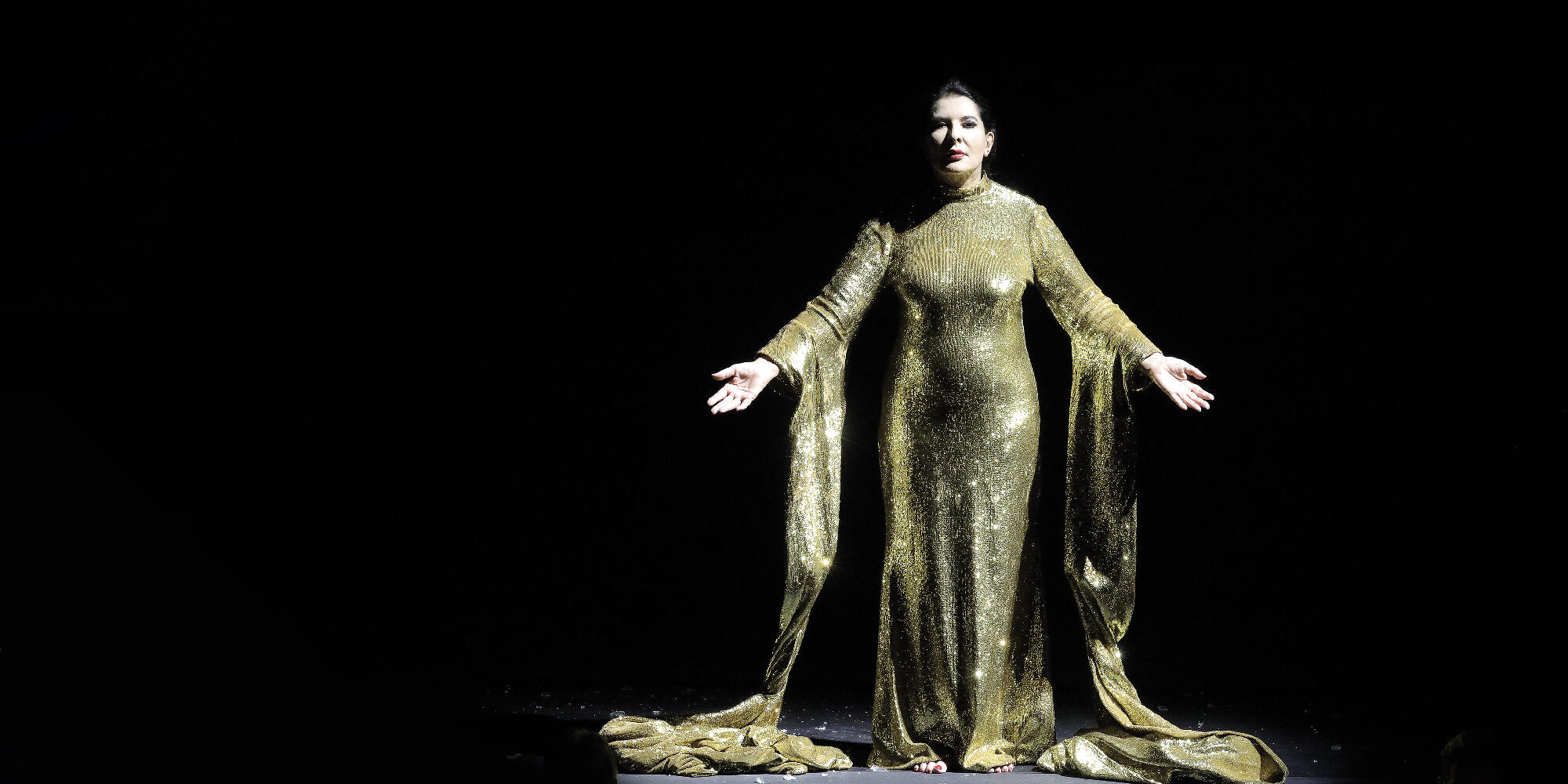

Abramović wants to destroy all performance and all women until she holds the monopoly over stage death.
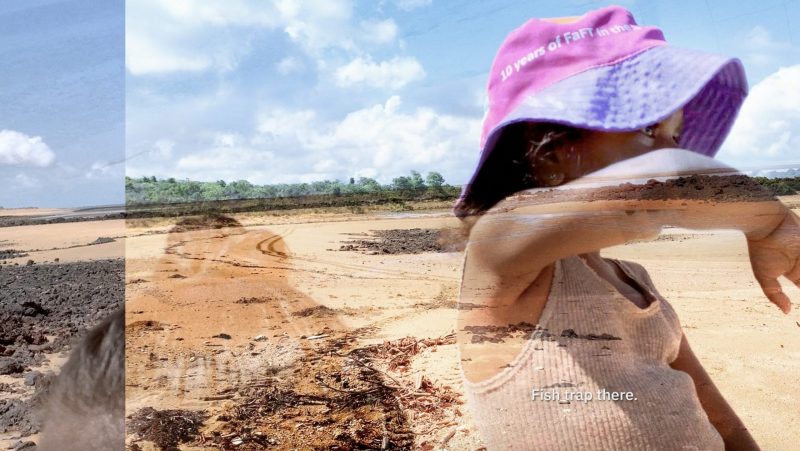

Little separates this display from a human zoo complete with curators who occasionally kettle-prod the once noble savage into a spectacular rage.


There’s a Bosch hellscape dedicated to Trump and a whole “basket of deplorables” polishing their guns in a prepper cell.
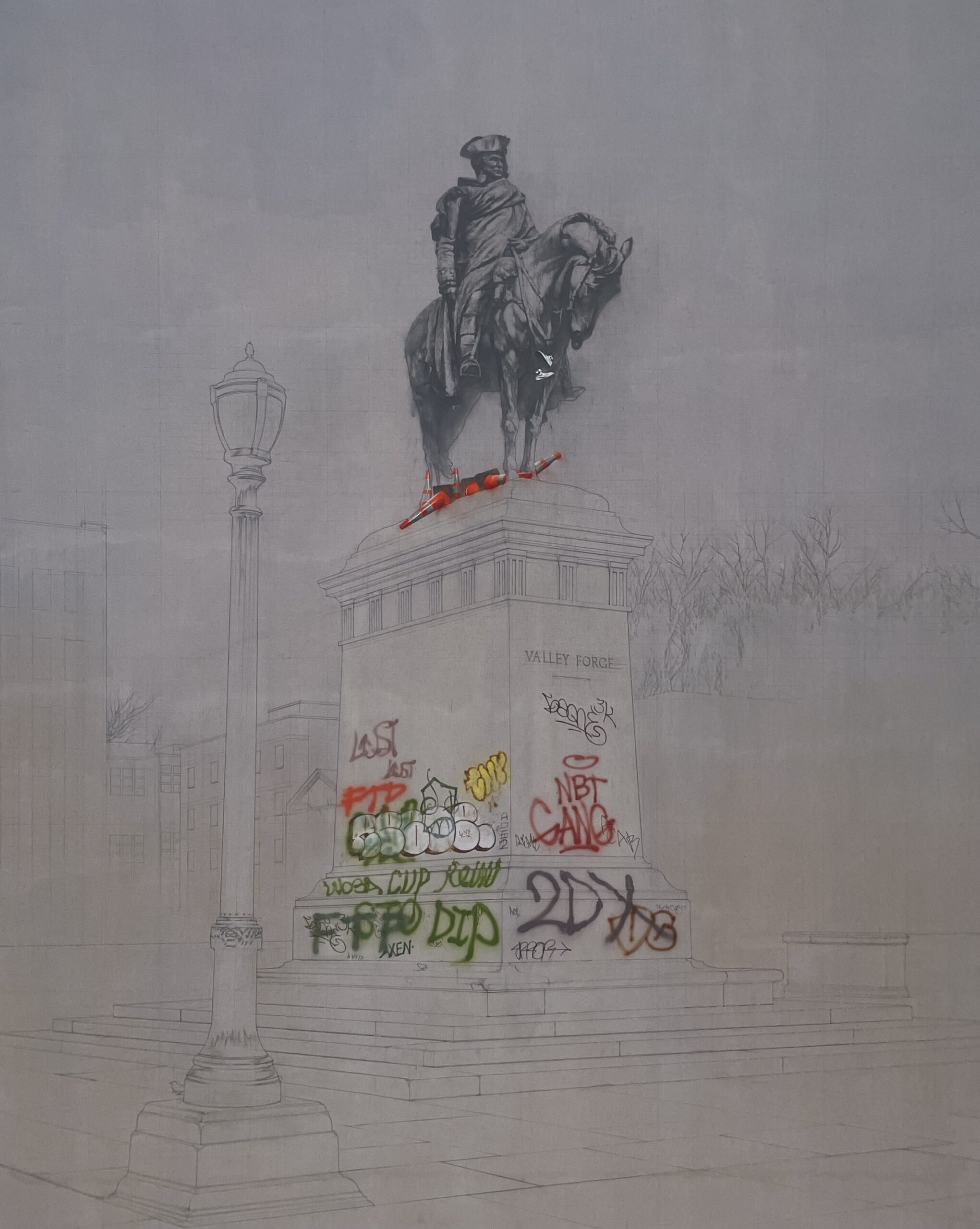

This exhibition is a warning to would-be propagandists: trust art at your peril.


The figures appear as though in x-ray and helplessly foretell their own ends.
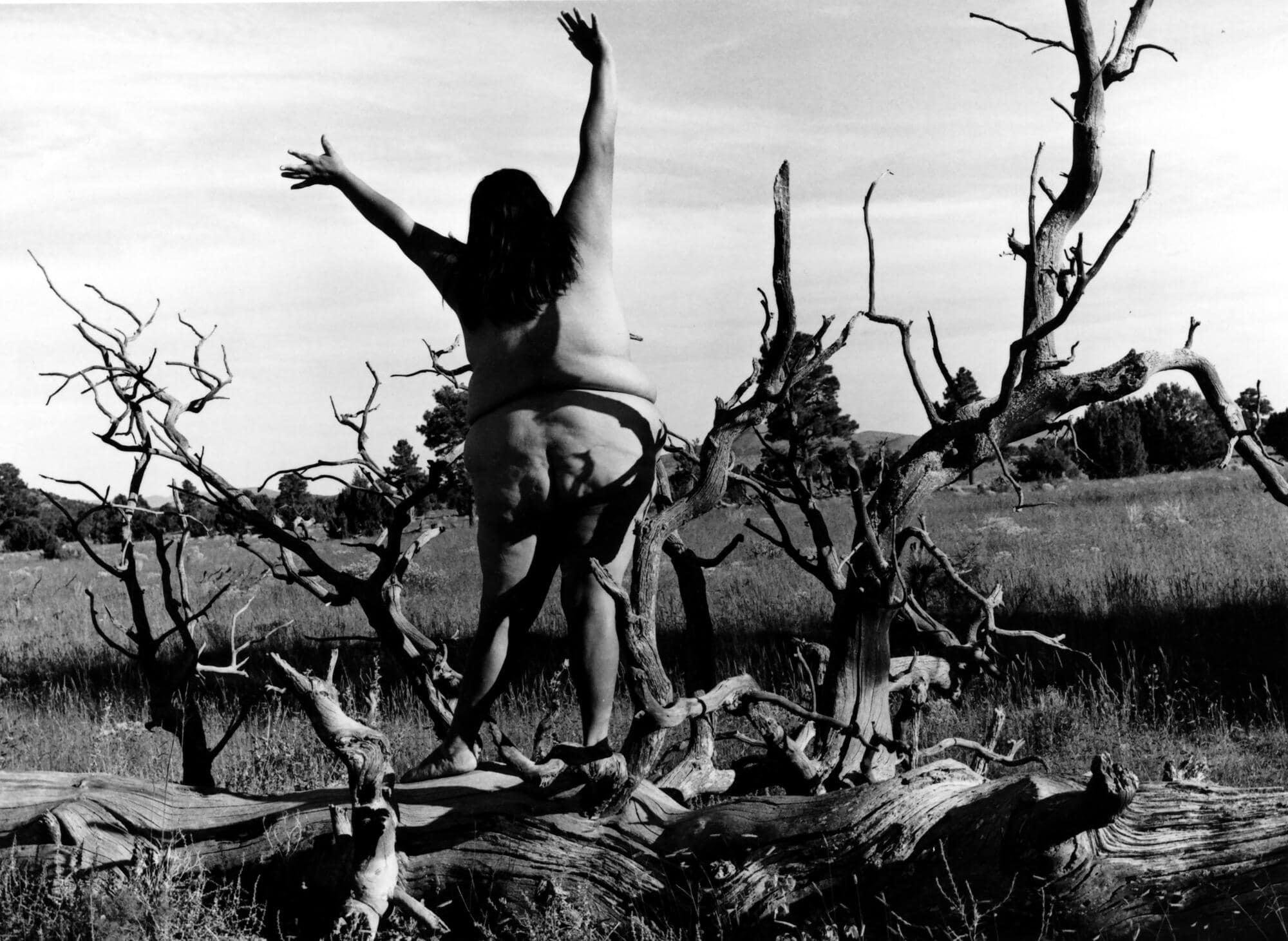

Too many deadpan landscape photographs turn intrigue into fatigue and into paralysis.
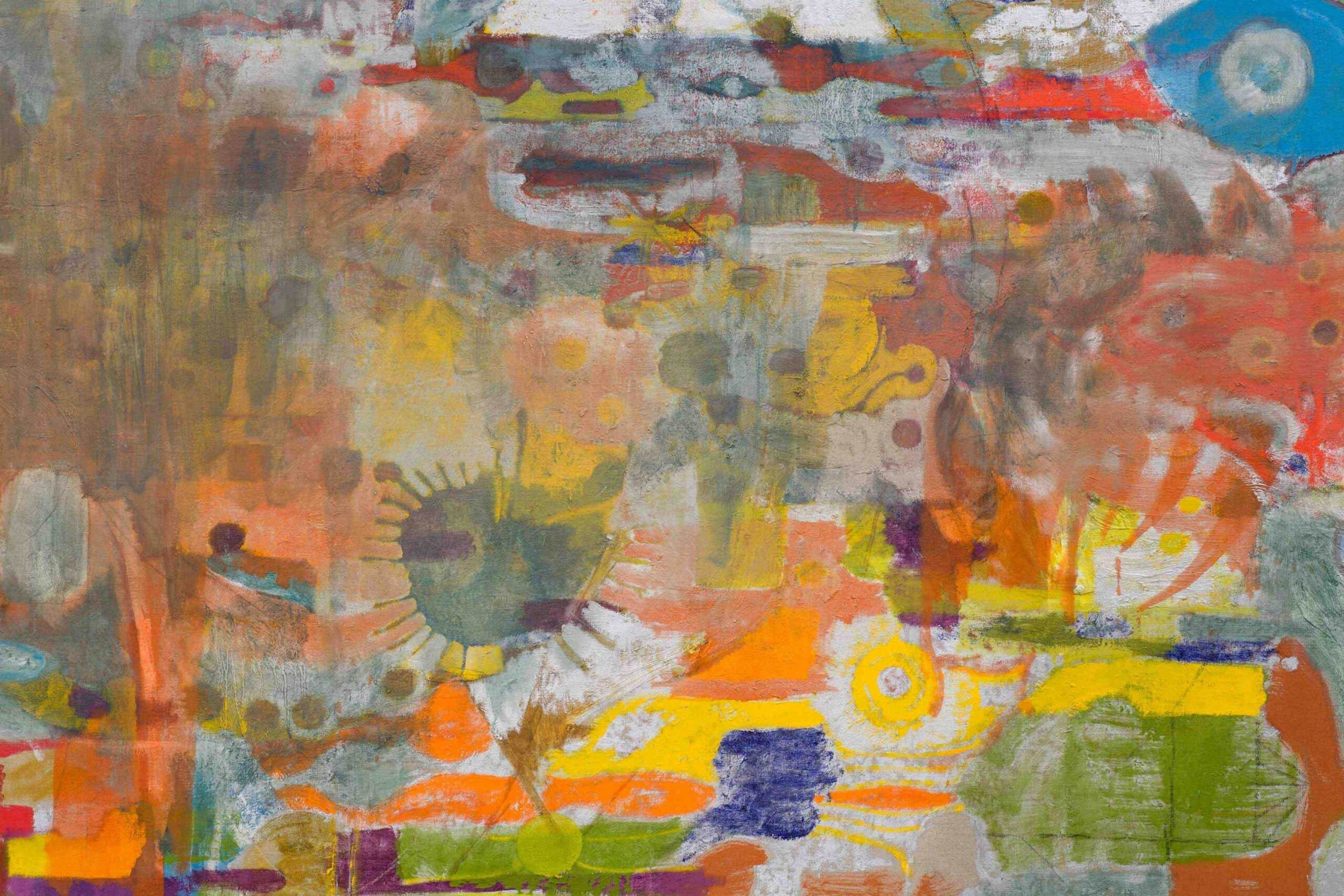
This is the sort of exhibition that makes a critic question the quality of their judgment.


Some forms of abstraction simply scream ‘my kid could have made that’.


An uninspired re-staging of the artist’s Camden Arts Centre show.
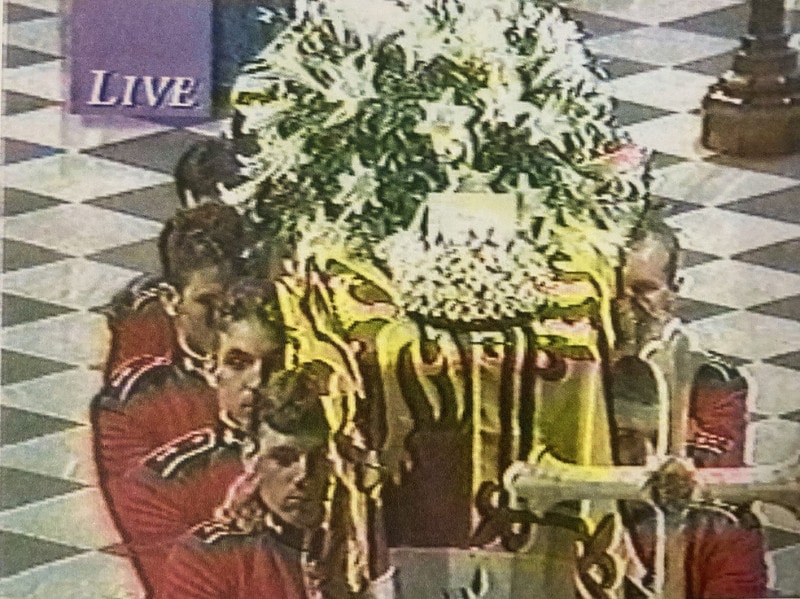

There’s joy in repetition. There’s joy in repetition. There’s joy in repetition. There’s joy in repetition. There’s joy in repetition. There’s joy in repetition.
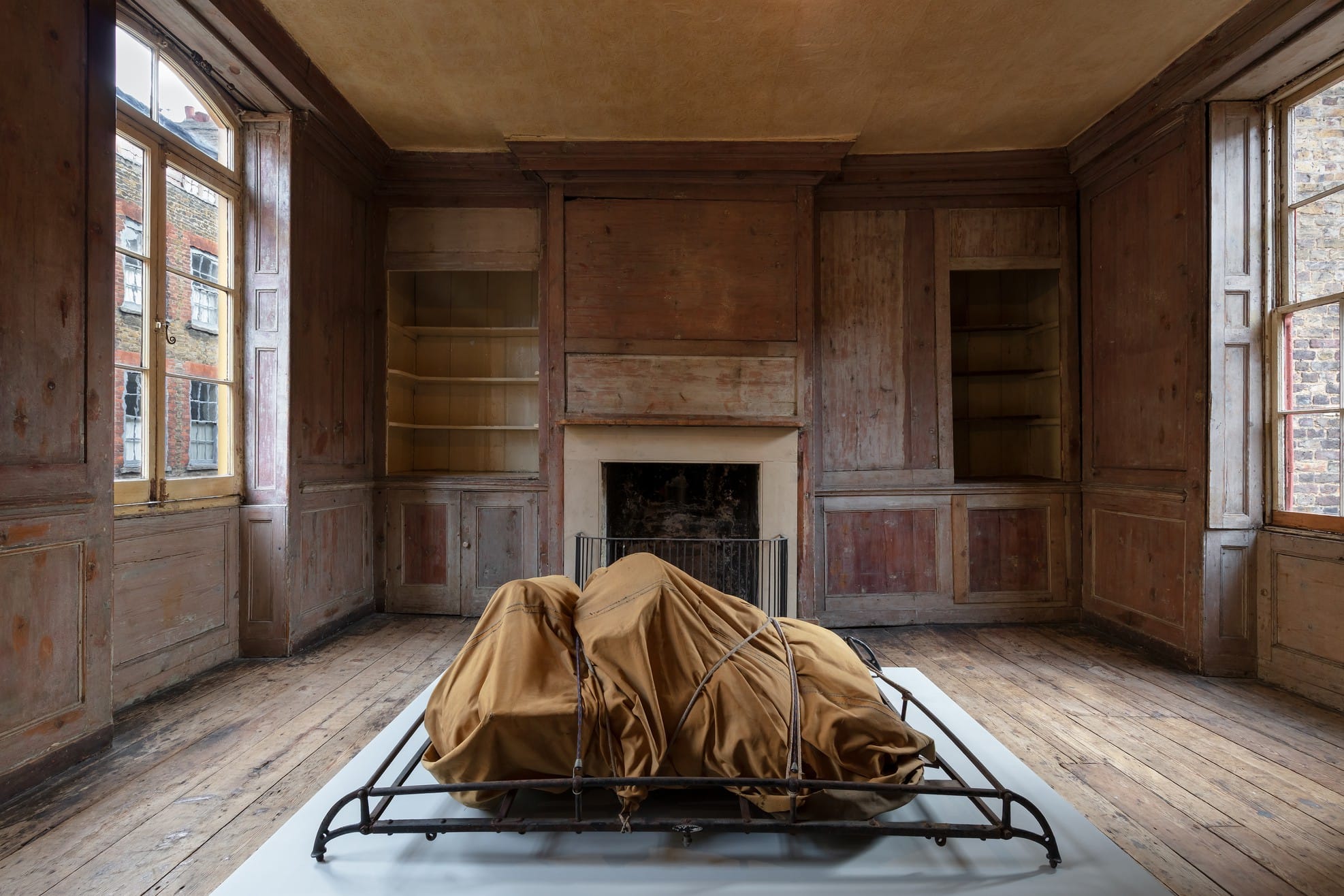

To appreciate Christo’s early works against his wishes, one must forget his later stunts.
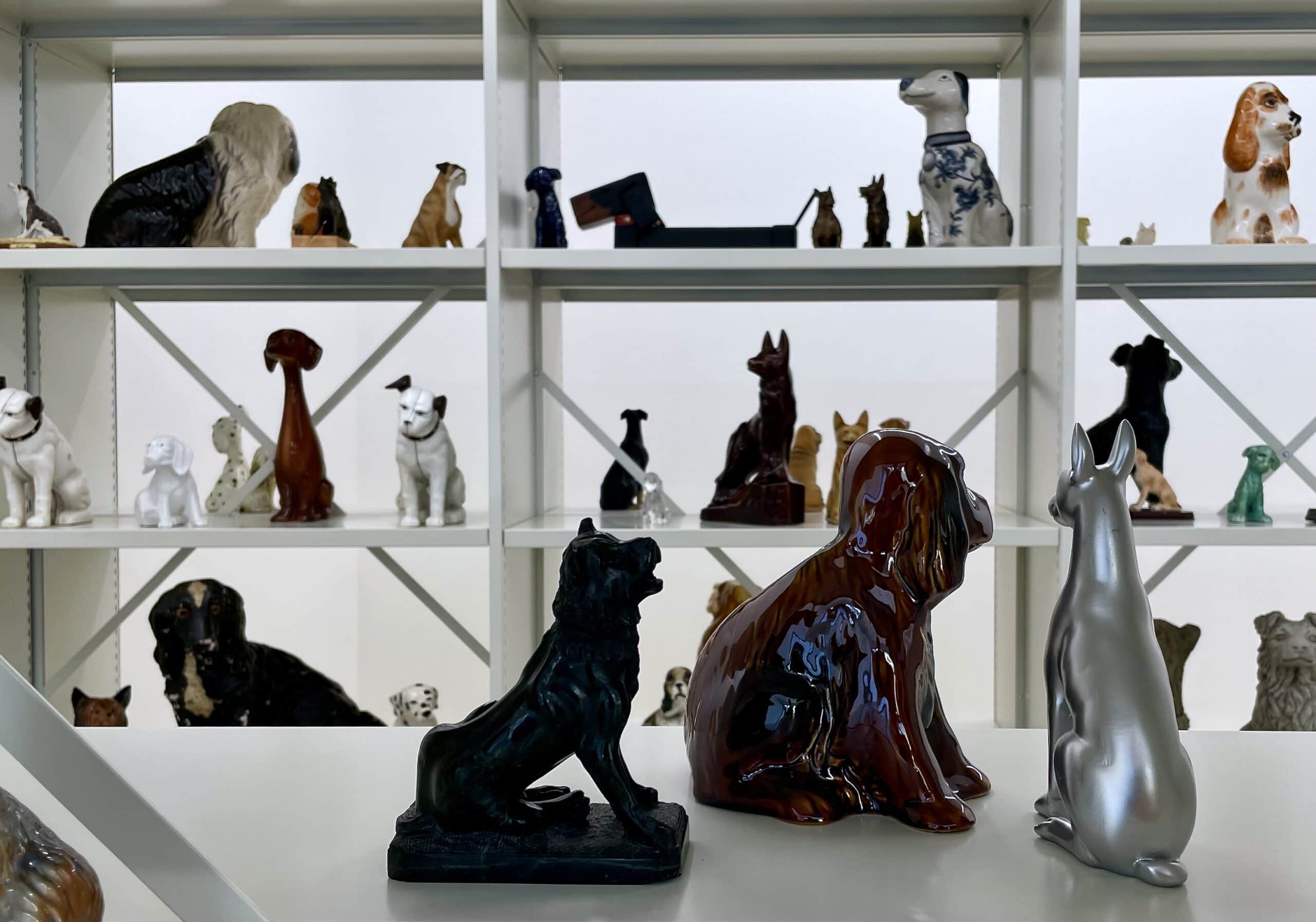

These gestures remind the gallery that it is a social space. Unfortunately, they also inadvertently point to its sorry end.
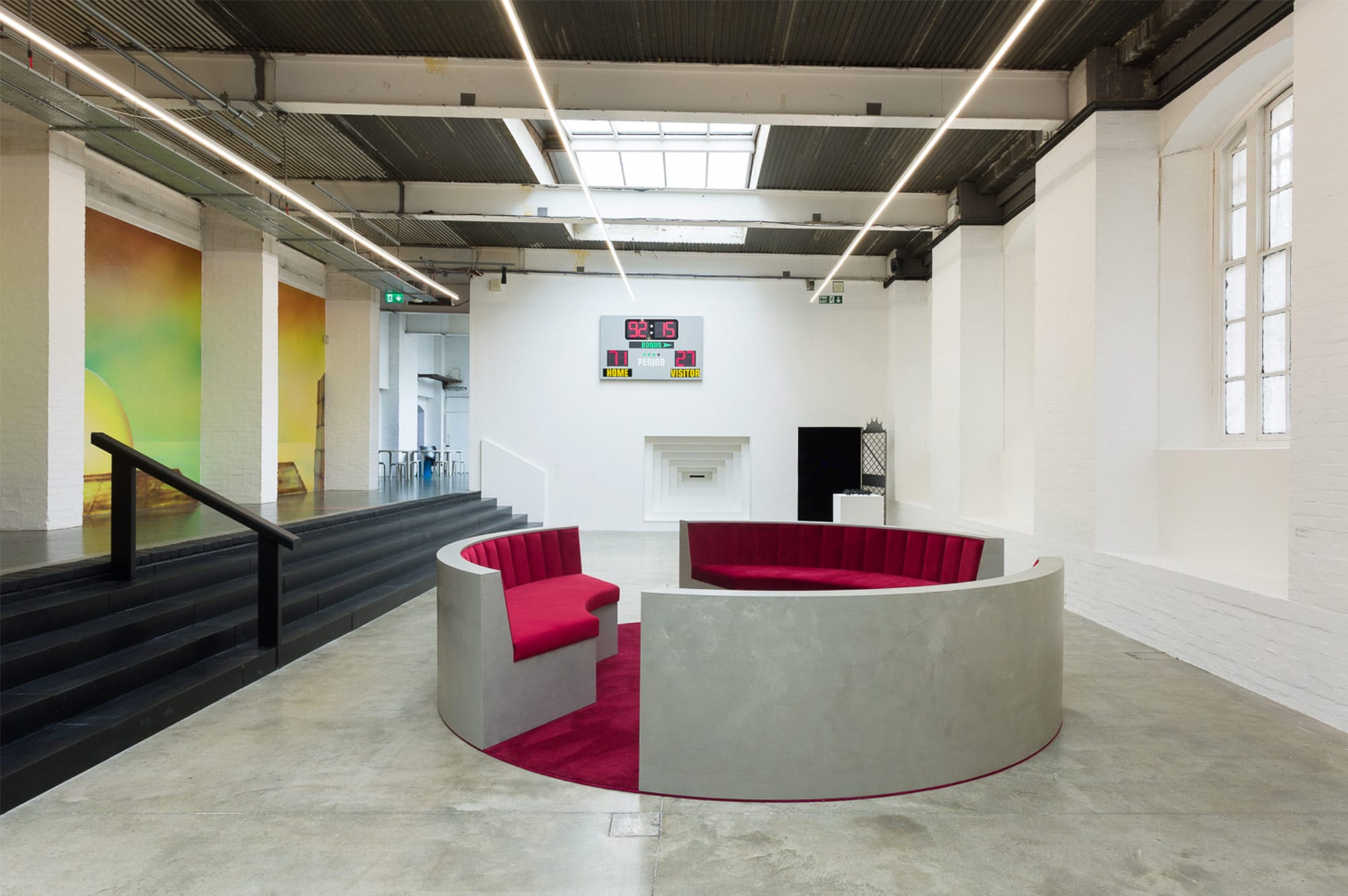

I knew that it was possible to understand art and life less after seeing an exhibition. I didn’t, however, imagine that experiencing Wielebinski’s work twice would only compound such damage.


Auer is more interested in the fate of painting than humanity and thus stands apart from the army of zealots who make eco art today.


The failed magic tricks in Lyndon Barrois Jr.’s canvases would hang in the final scene of Chinese Roulette in which everyone turns against everyone.
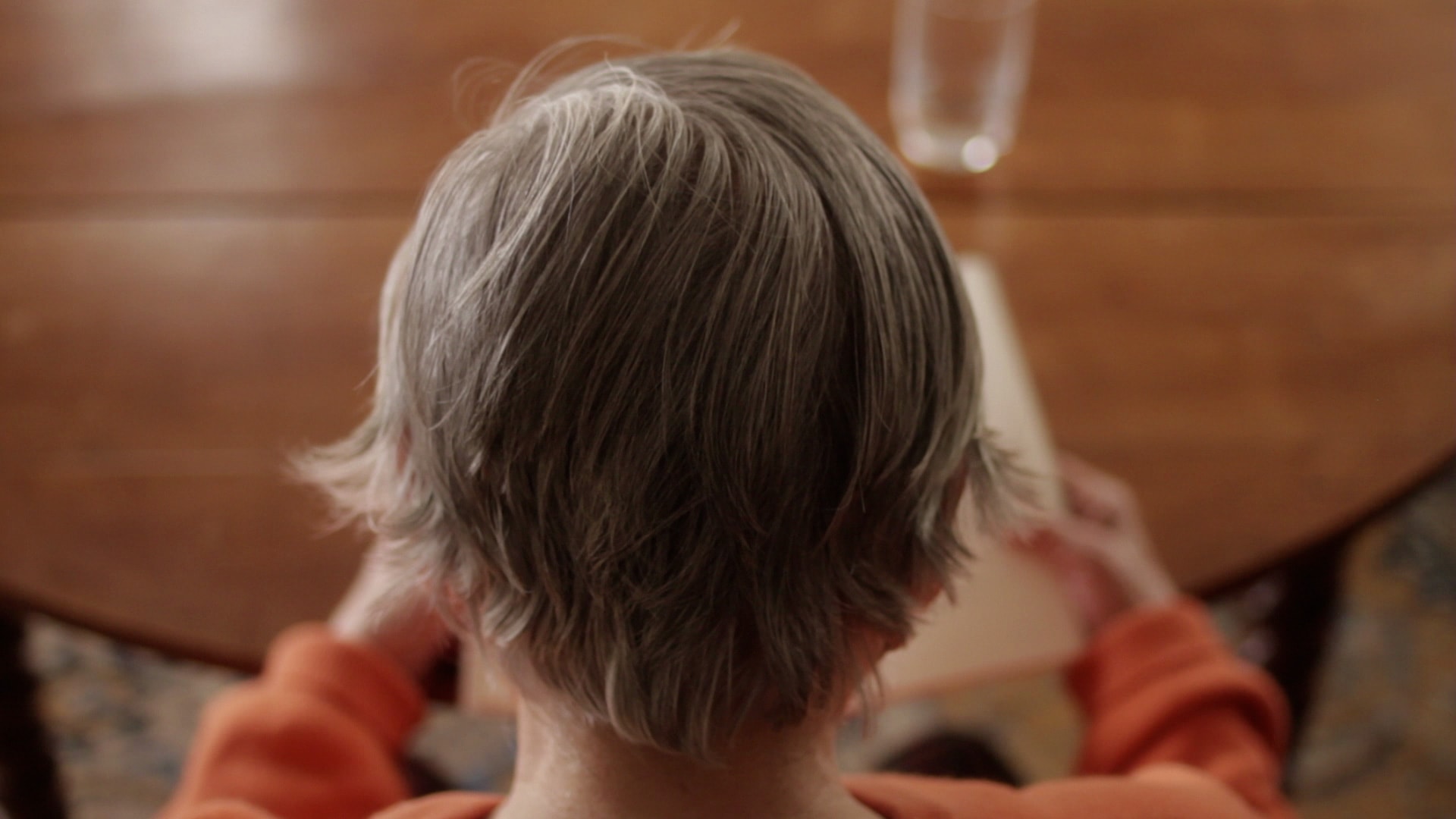

The exhibition is a private memorial for Etel Adnan accessible only to members of the art world’s inner circle. And that’s a pity.
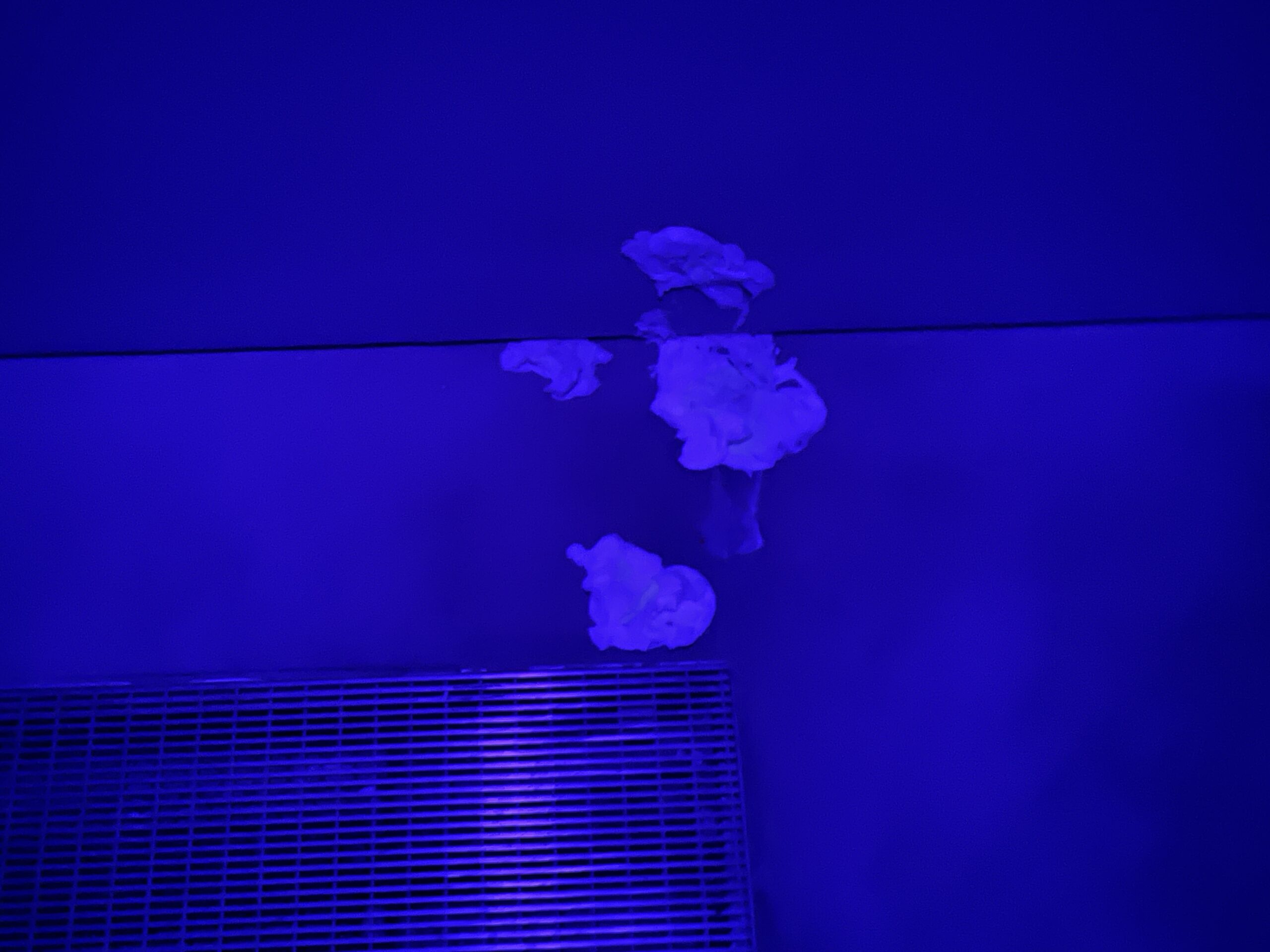
It’s stressful enough to fuck in the forest for fear of passers-by or the police; imagine having to also look out for curators.


Even though the show brings together a few unusual tricks, they are disjointed and leave little for the eye to linger on.
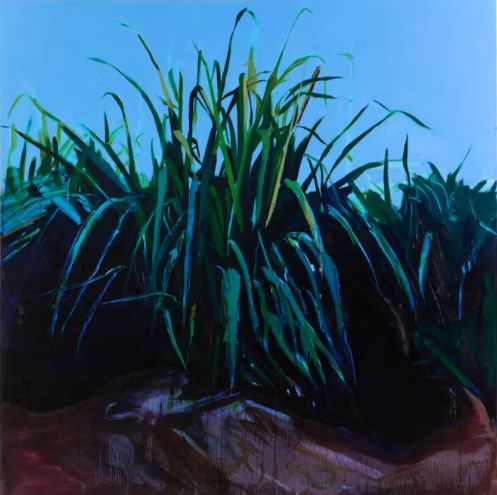

I didn’t get to see this show. Perhaps for the best.


Meisenberg’s paintings are either the product of a conspiracy or documents of a conspiracy theory.
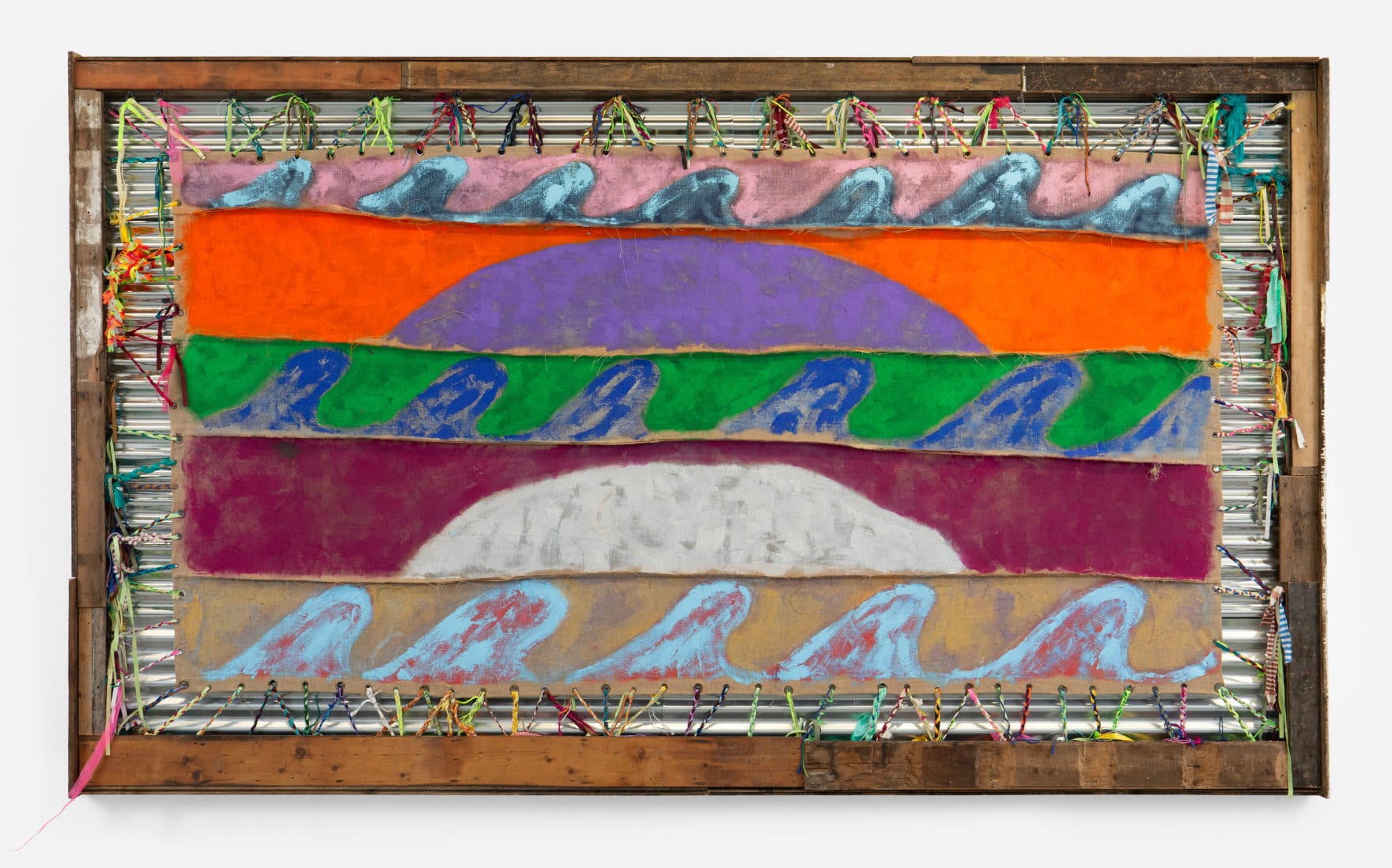

The party slumps into a half-voiced political complaint and never recovers. This is what happens when instead of living culture, we ‘celebrate’ it.
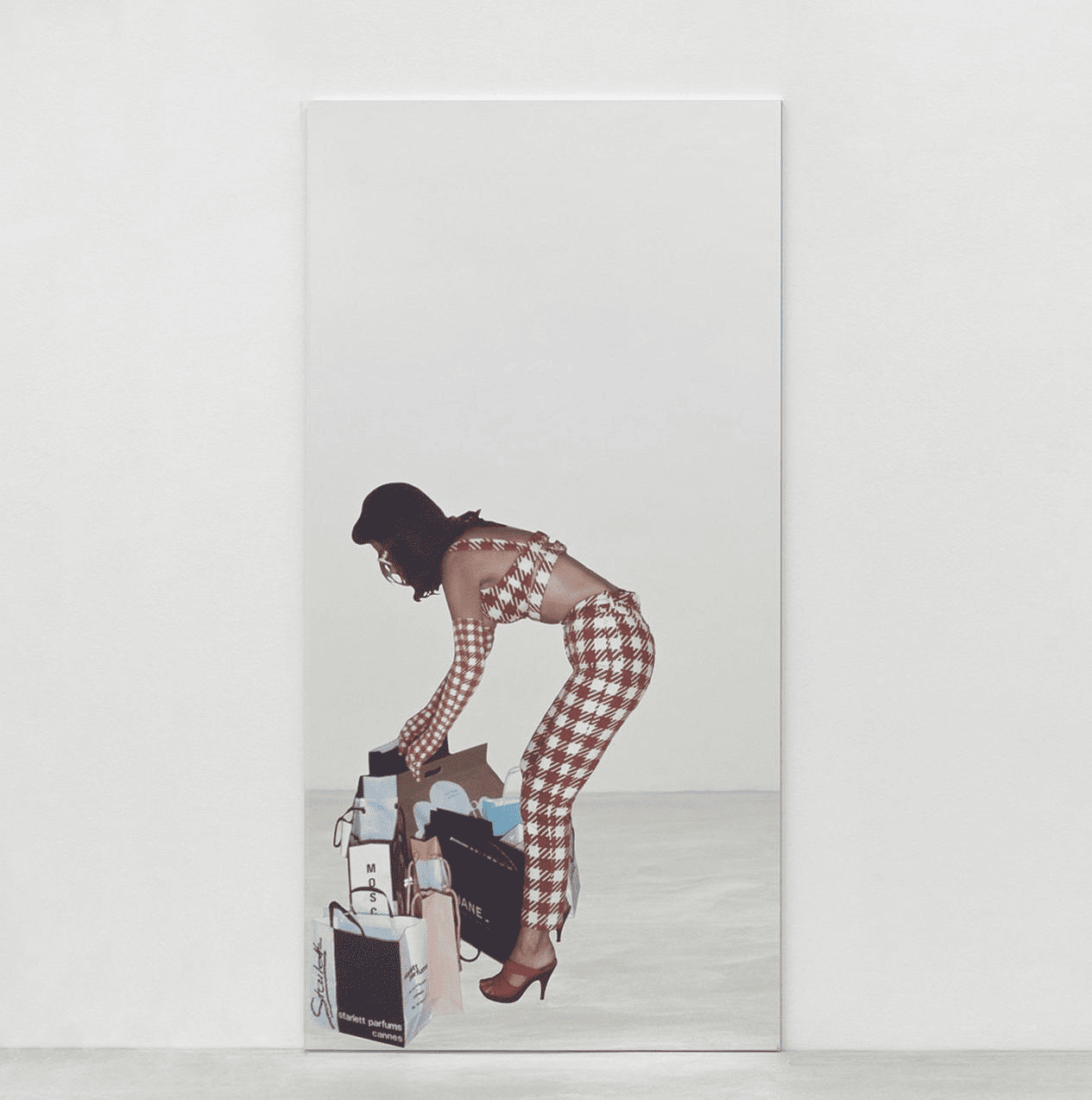

In Fleury’s car workshop cum womenswear boutique, everything is ready-made and ready-to-wear. But you can’t touch any of it and you certainly can’t afford it.


Tilson’s styled self-portraits are an affectation that will take many years of practice to pay off.


The exhibition feels like a lecture on climate change sponsored by the designers of The Line, Saudi Arabia’s dystopian plan for a 110-mile linear city in the desert.
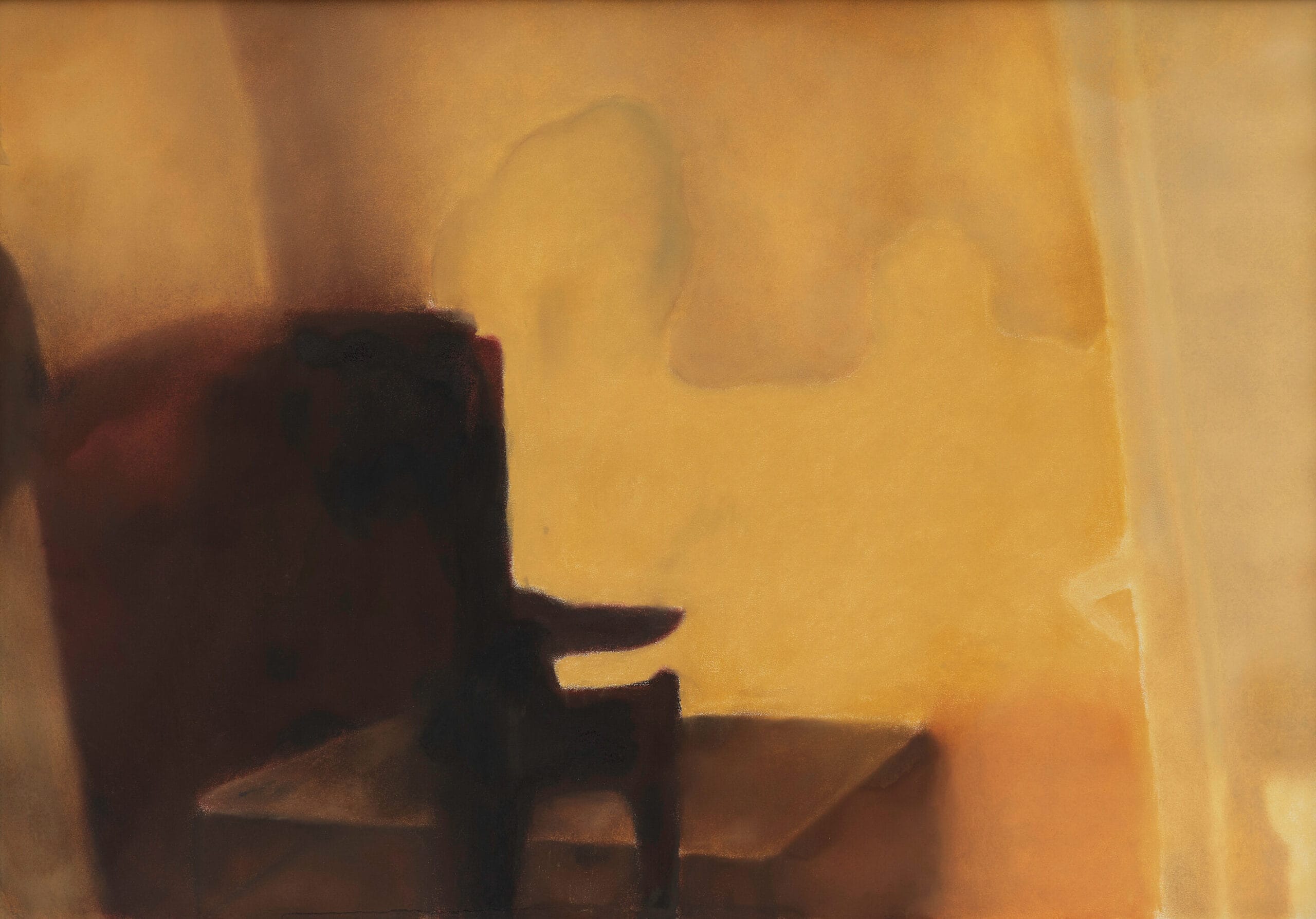

There’s a group, but they’re as indistinct as the faces of Jesus that regularly appear to people on slices of toast.
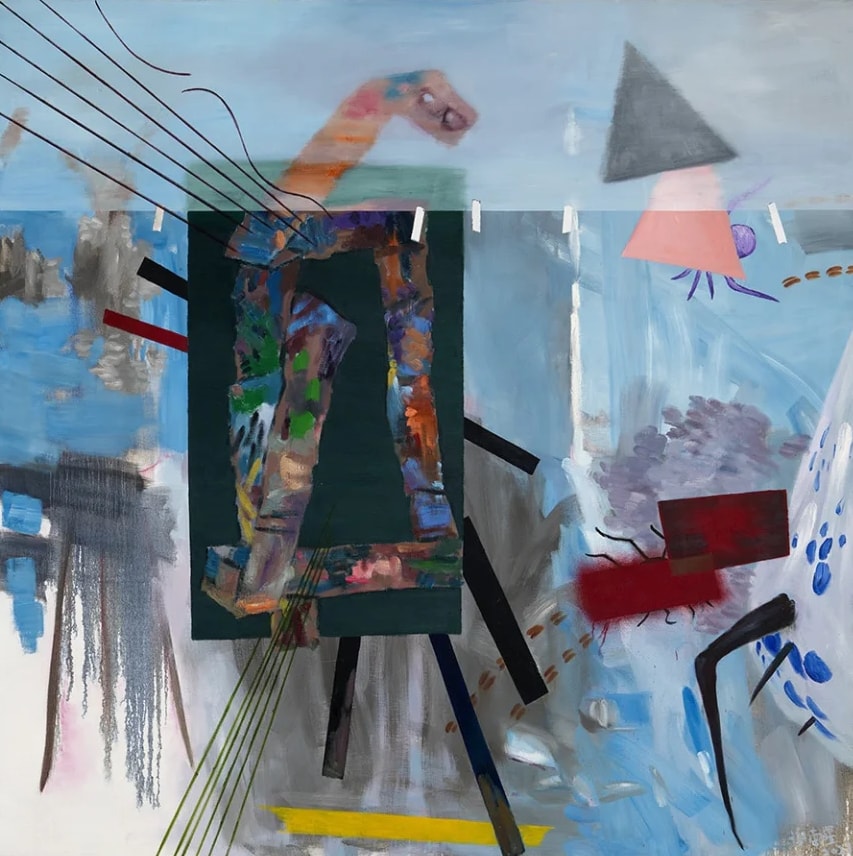

Looking at Xie’s portraits is a little like wearing a virtual reality headset over only one eye.
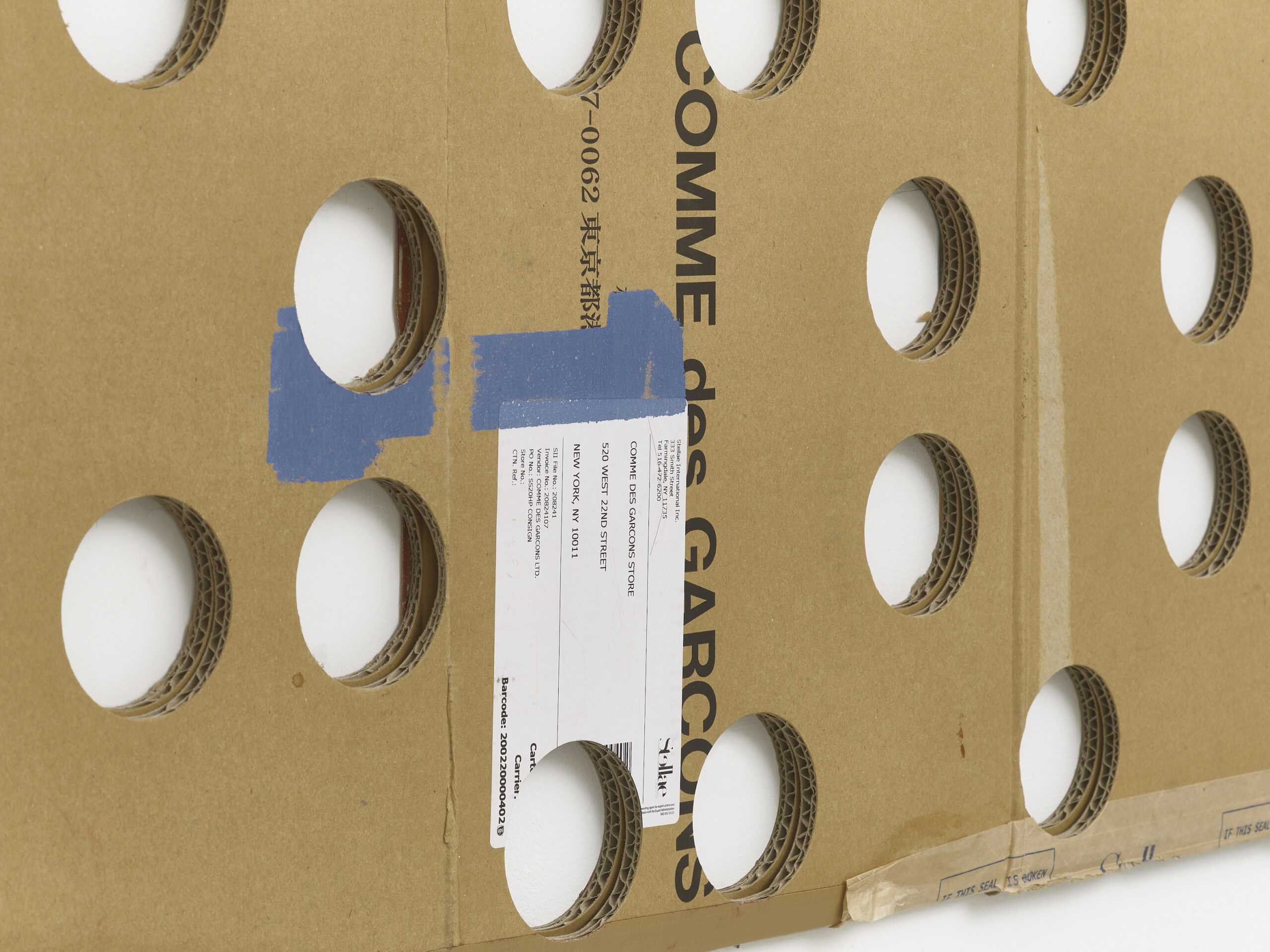

There’s little for the eye to hang on and none of the punk culture of Relph’s earlier practice emerges from the works.


A twee aesthetics native to a grandmother’s mantlepiece collection of tourist souvenirs and devotional figurines.


These images are perfectly charming even to a viewer possessed of a cold anthropological eye. The troubling part is in realising just how far ‘outside’ the ideas are.
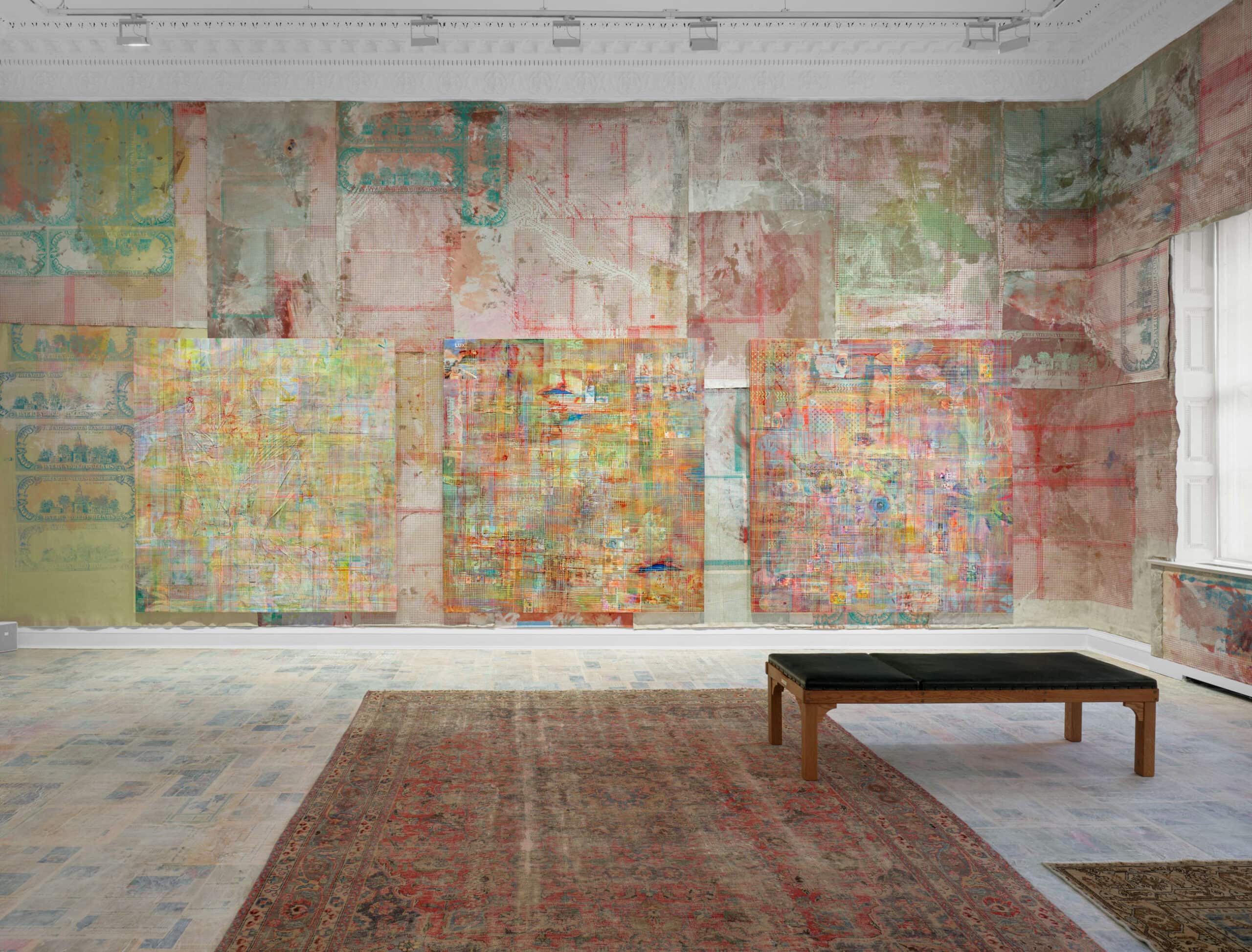

For the abundance of material, there simply aren’t enough ideas in the exhibition to go around these Mayfair interiors.


Privacy Overview
This website uses cookies to improve your experience while you navigate through the website. Out of these cookies, the cookies that are categorized as necessary are stored on your browser as they are essential for the working of basic functionalities of the website. We also use third-party cookies that help us analyze and understand how you use this website. These cookies will be stored in your browser only with your consent. You also have the option to opt-out of these cookies. But opting out of some of these cookies may have an effect on your browsing experience.
Powered by